Ever logged a night of restless sleep and wished your tracker would tell you why you felt lousy — and what to actually do about it? Fitbit’s latest updates edge the app closer to that kind of useful, human-friendly feedback.
The Fitbit app bumped to version 4.68 this week with a handful of changes that matter whether you wear a Pixel Watch, a Fitbit device, or simply use the app to keep tabs on your health. The most immediately welcome tweak: on Android you can once again edit last night’s sleep log from the three-dot menu. iOS users will see the same ability soon, Fitbit says. It’s a small fix that saves people from having to live with an imperfect auto-detected night.
The coach talks back
The bigger story is the Personal Health Coach getting more conversational and, crucially, more proactive. You’ll start seeing personalized motivational messages sprinkled through the Today tab — morning nudges, post-workout summaries, and end-of-day or end-of-week notes that actually reference what you did. There’s a new Ask Coach chat for conversational check-ins, so instead of tapping through menus you can type a quick update and get a back-and-forth response.
When the coach prescribes a workout, Fitbit now offers on-screen step-by-step guidance. And in response to public preview feedback, weekly fitness goals are less rigid: Premium subscribers can receive customized weekly targets and tailored workout recommendations built around individual goals. Fitbit also previewed future abilities to adapt plans through conversation — expect small, in-app buttons that let you change missions or workouts without leaving the flow.
These shifts aren’t just window dressing. After years of wearables that dutifully collect data, users — and reviewers — wanted the app to explain what the numbers mean. Integrating AI into the coach aims to do exactly that: translate raw metrics into concrete insights you can act on.
Sleep gets a close-up
Fitbit redesigned its Sleep Score for Public Preview users, moving from a single summary number to a more transparent, multi-metric view. The new Sleep Score breaks a night into six components: total sleep duration, time to sound sleep, sound sleep, restlessness, interruptions, and full awakenings. The goal is to show which specific behaviors or patterns shaped your score and to surface targeted tips — for example suggesting a wind-down adjustment if it notices you consistently take a long time to reach sound sleep. Premium users also get personalized insights and Coach guidance tied to those metrics.
Because the algorithm changed, some users will see scores shift from what they were used to. Fitbit prompts users with a brief setup when they first open the redesigned score page.
Why reviewers care
Writers who’ve spent years logging workouts and sleep in Fitbit say the contrast is striking: where the app once offered numbers with little context, the Personal Health Coach now produces frequent, contextual feedback — sometimes several useful notes in a day. For people who want more than charts, that changes the value proposition: Fitbit becomes a coach, not just a passive recorder. That said, some early adopters warned the volume of notifications can feel like overcommunication; expect the cadence to be tweaked as the feature leaves preview.
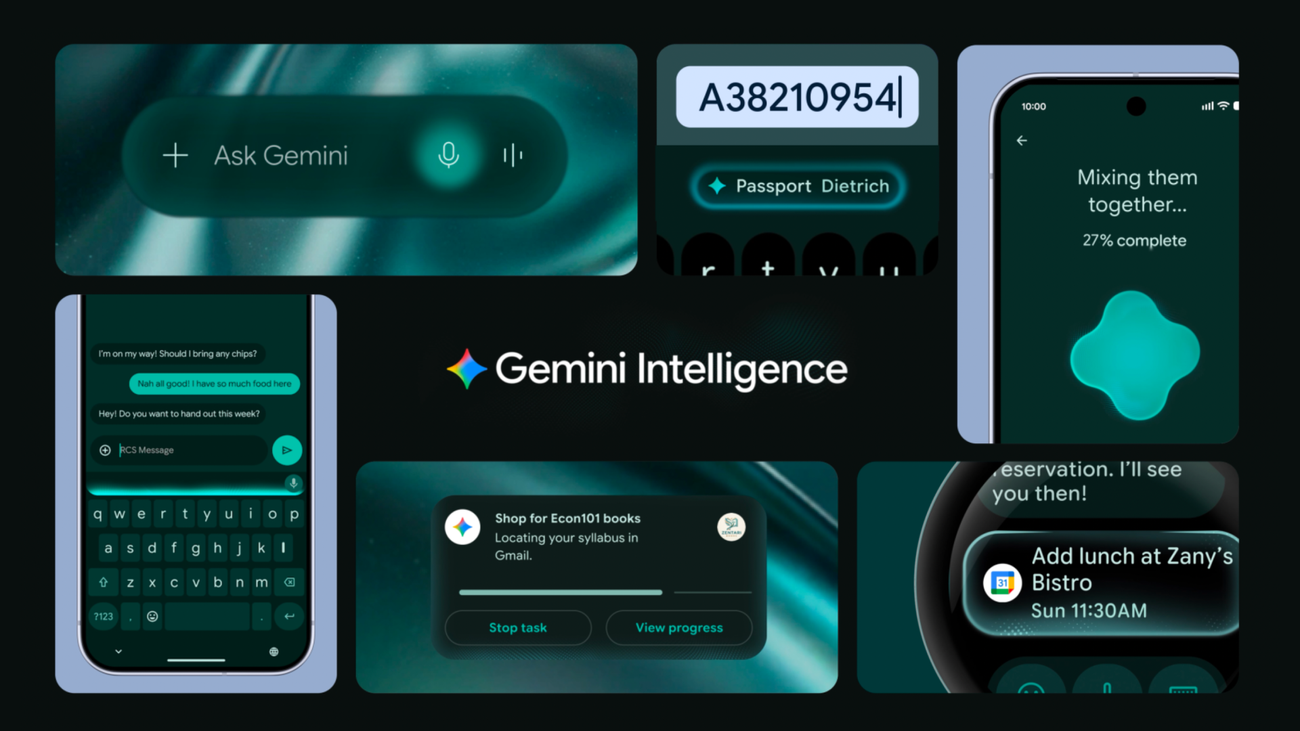
Under the hood is Google’s AI stack, and those integrations are part of a broader push to fold generative capabilities into everyday products. If you want a deeper look at how Gemini is being used across Google products, check out the new notebooks feature that ties conversational tools into workflows Gemini’s new Notebooks. And for context on Google’s broader rollout of personal AI features, see the global push and the regional privacy caveats that followed Gemini personal intelligence rollout.
Who gets what and when
Fitbit 4.68 is available on iOS now and rolling out to Android users. Some coaching features — notably the personalized weekly plans — are gated behind Fitbit Premium and the Personal Health Coach public preview. Other items, like conversational plan adaptation and some adaptive buttons in the Fitness tab, are slated for future updates.
There’s a bigger thread here: Google is quietly repositioning Fitbit from a companion app into an AI-powered health coaching platform. That shift raises familiar questions about data, noise, and control, but it also answers a longstanding gripe: why collect data if you never learn from it? For now, the update gives users more ways to edit, understand, and act on their health data — and to have an app that actually talks back.