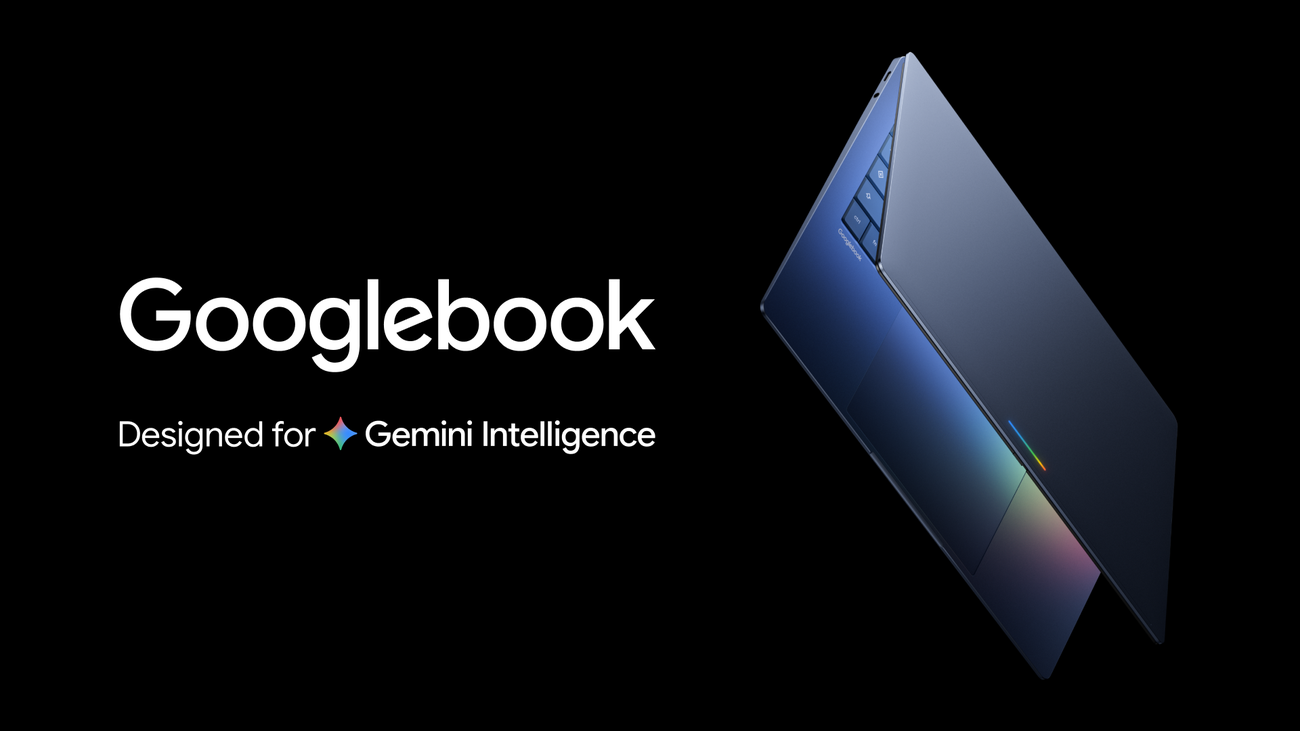
Google opened a door today — part teasing, part demo, part leak — into what looks like a major rethink of the laptop. The company quietly pulled the curtain back on Googlebook, a new line of laptops built around Gemini intelligence, and a 16‑minute hands‑on leak showing an Android‑based desktop experience (codenamed Aluminium) dropped at roughly the same time. Together they sketch out a future where your laptop behaves more like a smart assistant with a keyboard attached.
Two reveals that fit together
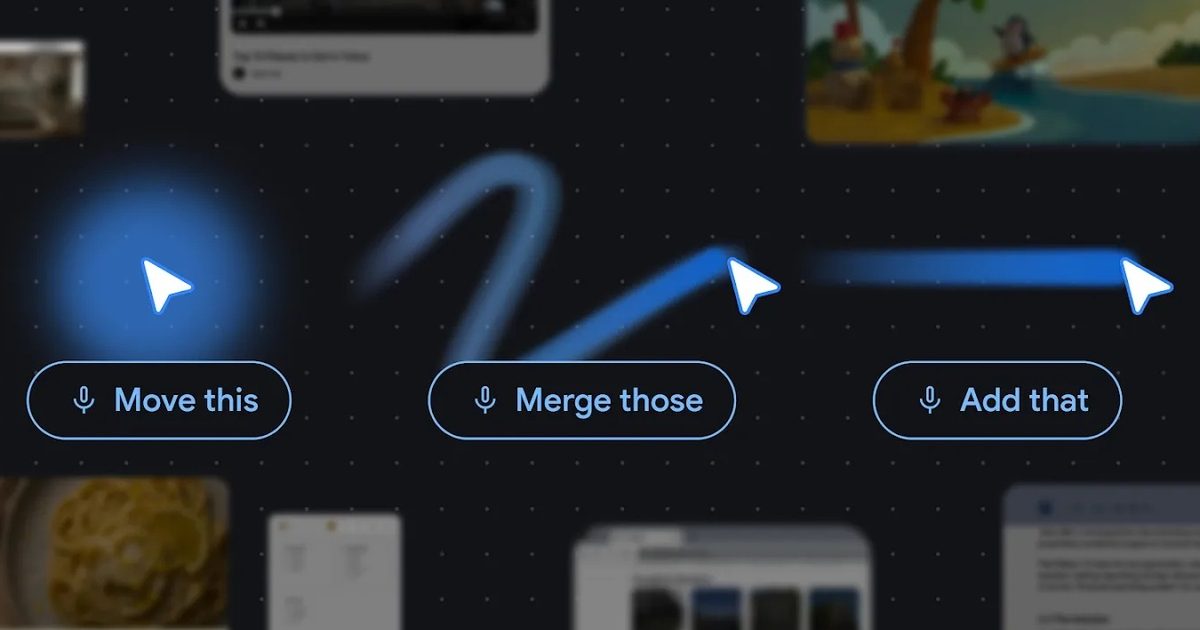
On stage, Google pitched Googlebook as “designed for Gemini Intelligence”: the cursor is no longer just a pointing device but a trigger for context‑aware AI help. Wiggle it and the Magic Pointer wakes up, offering suggestions — turn a date into a calendar event, combine two images into a mockup, summon a small workflow — all driven by what’s on the screen.
At nearly the same moment, a leak from Mystic Leaks surfaced: a 16‑minute walkthrough of an Android 17–based laptop UI (the one the rumor mill calls Aluminium). The demo looks like stock Android stretched across a bigger display: taskbar, app drawer, desktop icons and a settings page that plainly lists “Android version 17.” It reinforces the impression that Google is merging Android’s app ecosystem with a more desktop‑oriented shell.
What Googlebook promises — and what we still don’t know
Google’s pitch is simple: combine Android’s app library and modern OS components with Chrome’s web strengths, then layer Gemini on top for proactive, contextual help. That means:
- Magic Pointer and other Gemini features baked into core interactions.
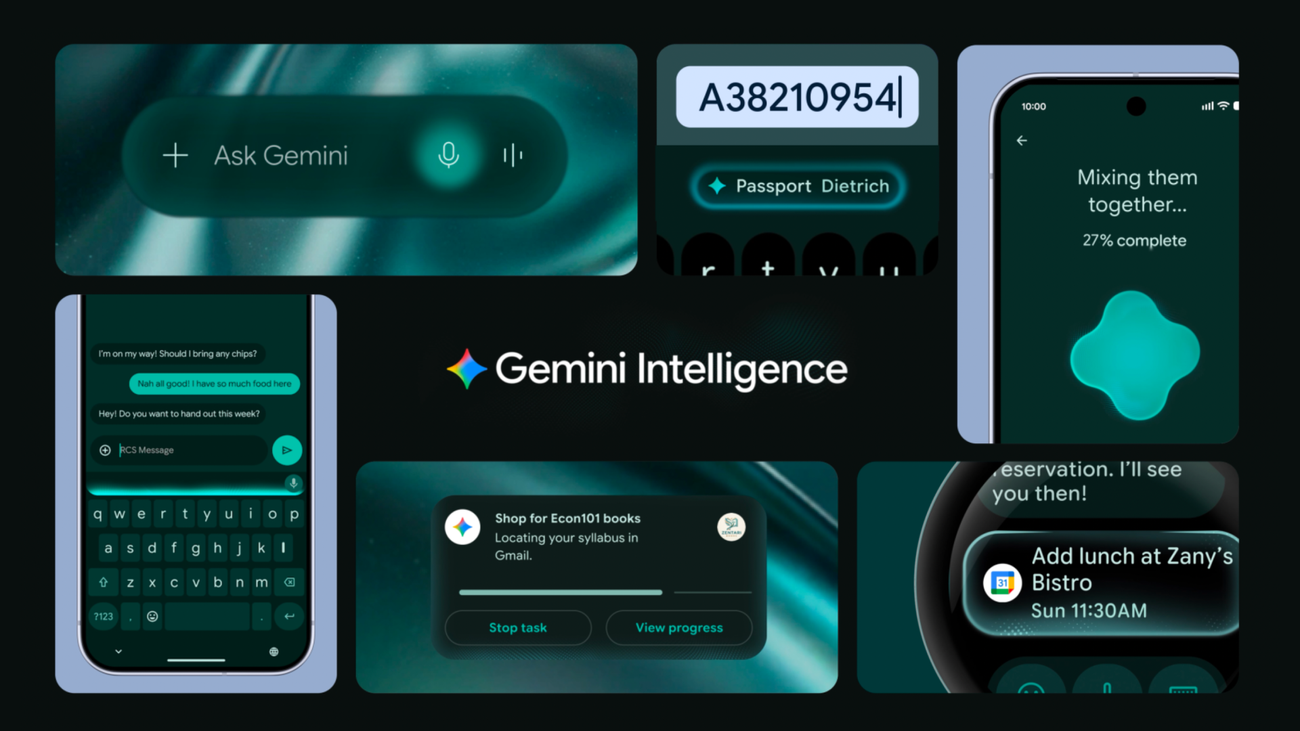
- AI‑created widgets on the desktop that can pull data from Gmail, Calendar, the web and other apps to make personalized dashboards. Google demoed grouping travel info and countdowns into a widget in seconds.
- Deep phone integration: stream an app from your phone to the laptop, access phone files from the Googlebook file browser, and keep workflows moving between devices without manual transfers.
Hardware will come from the usual Chromebook partners — Acer, ASUS, Dell, HP and Lenovo — and every Googlebook will have a recognizable “Glowbar” light on the lid. Google says devices arrive this fall, but it’s keeping OS branding, pricing, chip choices and detailed specs under wraps.
The familiar and the new
Some of this reads like ChromeOS by another name. But there are differences. The leaked UI looks very Android‑native, meaning apps run natively rather than through emulation or a compatibility layer. That could finally solve the awkwardness Google had trying to shoehorn Android apps into ChromeOS — something long touted but never seamless.
Still, several big questions remain. Google hasn’t clarified the app‑store story for these laptops. It’s in the middle of certifying third‑party Android app stores while tightening controls around sideloading APKs; where Googlebooks land on that spectrum will matter for users and developers. And though the Play Store will be present, the broader “openness” of the platform is fuzzy for now.
AI features: useful shortcut or discoverability problem?
Skeptics will note that contextual AI features haven’t always landed cleanly. Magic Cue on Pixel phones exists, but it doesn’t always surface when you want it. The real test is discoverability and practical value: will people actually use a cursor that doubles as an AI prompt, or will it be another buried feature? Ars Technica’s coverage calls that out — the idea is neat, but execution and product design will determine whether this becomes a timesaver or a gimmick.
Google is betting heavily on Gemini to sell the idea. That’s consistent with other recent moves: Gemini features have spread into more Google products, and the company continues to evolve the model and tooling that underpin those features. For context on how Google is expanding Gemini’s capabilities and tooling, see what it’s doing with Gemini notebooks and model releases like Gemma 4 Gemini’s new Notebooks bring NotebookLM into your chats — and a bit more organization and Gemma 4: Google’s Apache‑2.0 open model built for agents, the edge and local AI.
Why this matters
If Googlebooks deliver a smooth mashup of Android apps, Chrome browsing and genuinely helpful on‑screen AI, they could reshape the midrange laptop market in much the same way Chromebooks did for education and cheap laptops. For enterprises and creators, the lure is a more integrated device ecosystem where your phone and laptop really feel like one system.
But Google has to answer practical questions: what will it mean for existing Chromebooks; how will updates and support look across two laptop platforms; and will Gemini’s always‑on context raise new privacy questions? Google says Chromebooks will continue to receive support, but the company’s attention will certainly be divided.
We’ve seen the mockups, the leak, and a tantalizing roadmap. Now comes the hard part: turning clever AI demos and a stretched Android UI into products people actually choose to use every day. Expect more on specs, pricing and app‑store details in the months ahead — and a likely round of hands‑on teardowns and tests once the first Googlebooks ship.