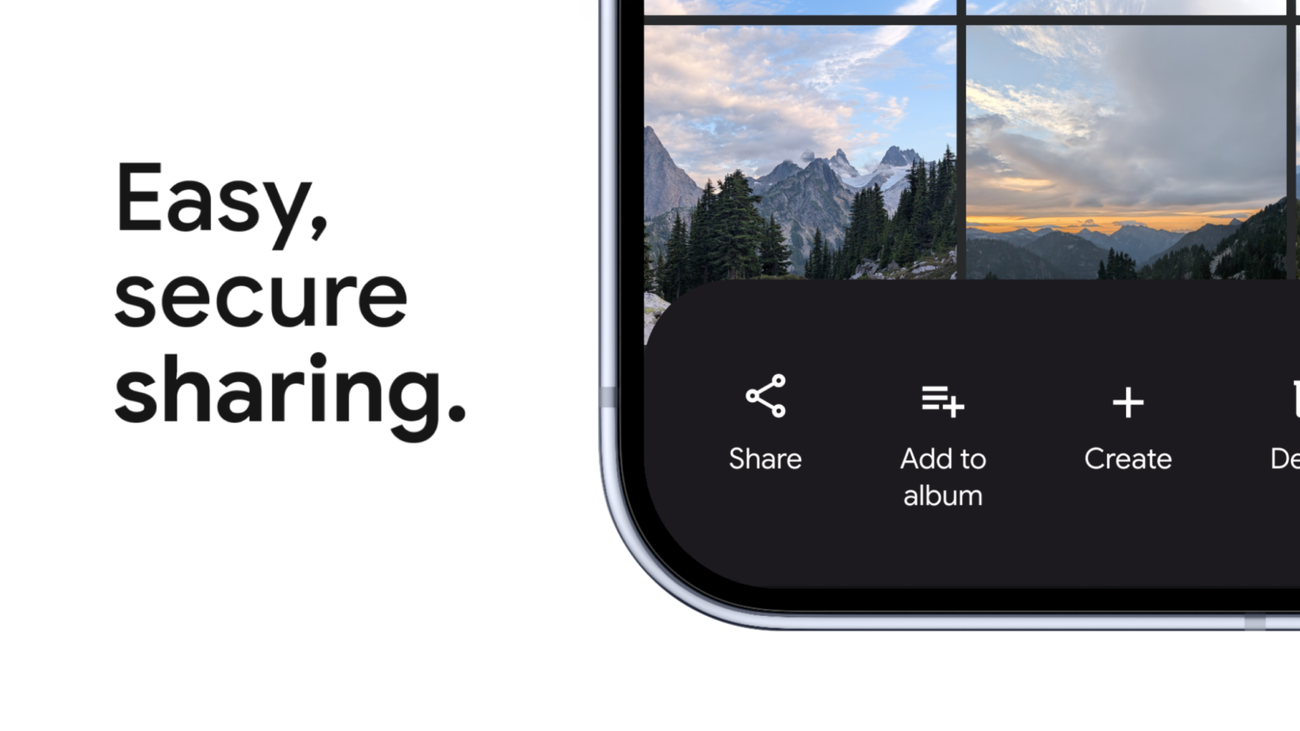
Google quietly kept one of the messier parts of modern smartphones boiling: sending a photo between an iPhone and an Android. This week the company pulled the curtains back a little further — Quick Share on Android will now interoperate with Apple’s AirDrop on a growing list of phones, and Google explained a few of the caveats that mean not every handset will be invited to the party.
Google framed the changes as part of a broader push to make Android easier to share, switch and connect securely. On the surface that sounds simple: point, tap, send. Under the hood, it’s a patchwork of radio chips, firmware and platform agreements.
Who’s on the roster
Google and partner OEMs confirmed a list of phones that will gain AirDrop compatibility in Quick Share. Among the named devices are recent flagships and foldables from Samsung, OPPO, OnePlus and HONOR — the kinds of phones likely to have the hardware to make this work:
- Galaxy S25, S25+, S25 Ultra
- Galaxy S24, S24+, S24 Ultra
- Galaxy Z TriFold, Z Fold 7, Z Flip 7, Z Fold 6, Z Flip 6
- OPPO Find X8 and Find X8 Pro
- OnePlus 15
- Honor Magic V6, Magic 8 Pro
- Pixel 8a (Google also previously enabled AirDrop-style sharing on newer Pixel models)
- Quick Share can generate a QR code on any Android phone, which lets iOS users fetch shared items via the cloud — a practical, if less instantaneous, workaround.
- Google plans to surface Quick Share inside popular apps over time (WhatsApp was explicitly mentioned), which should reduce friction even when direct device-to-device links aren’t possible.
That list is deliberately broad in some places — Google refers to “series” for certain lines, which implies additional variants (think FE models) could be included once vendors ship updates. Manufacturers such as Xiaomi, Vivo and others are also on the roster to roll out support later this year, according to Google’s announcements.
Why many phones won’t get it
If your mid-range phone isn’t listed, there’s probably good technical reason rather than spite. To talk to Apple devices directly, Android needs to play the same low-level radio game Apple uses: Apple’s AWDL (Apple Wireless Direct Link). Supporting AWDL tends to require chipset- and modem-level tweaks — things that can’t always be solved with a simple app update.
That’s why analysts and engineers have pointed out that some older flagships and a lot of budget phones simply won’t be compatible. It’s not a policy decision so much as physics and firmware: without the right wireless stack baked into the silicon or modem firmware, a device can’t reliably discover and exchange data with iPhones the way AirDrop expects.
The oddball detail that’s getting attention: Google listed the Pixel 8a as compatible but didn’t explicitly name the Pixel 8 and 8 Pro. Given how closely those phones share hardware, the omission probably reflects a timing issue — Google may simply not have shipped the requisite update yet — but it also highlights how messy rollouts can be when low-level networking is involved.
If your phone doesn’t get AWDL support
Google hasn’t left people stranded. Two fallback paths are already in place:
Messaging and switching: the wider picture
This isn’t just about file transfers. Google used the same announcements to underline deeper cross-platform work: a revamped iOS-to-Android transfer experience (passwords, photos, messages, eSIMs and homescreen layouts) and a push to secure messaging with end-to-end encryption for RCS between Android and iPhone users. If you care about messaging privacy, the RCS encryption rollout is the bigger deal — and it’s rolling out alongside these sharing improvements. See more on the encryption push here.
Samsung’s One UI beta testing has already started to include AirDrop-related tweaks on Galaxy devices, which hints that carriers and OEMs are coordinating software updates to bring the capability to more phones in the months ahead. If you follow Galaxy rollouts, the One UI 8.5 beta notes are a good indicator of how Samsung plans to stage the feature on its models here.
The end result is a gentler border between walled gardens: file sharing will feel less like a platform standoff and more like a capability checklist — one that depends on silicon, firmware and carrier-friendly updates as much as it does on corporate détente. For users, that means some phones will get near-instant AirDrop parity, others will use cloud-backed QR flows, and plenty of handsets will be left waiting for chipset makers to catch up.
If you want to see whether your phone is in the confirmed list, keep an eye on your manufacturer’s software update notes — and check Quick Share after you update. If nothing else, the trend is clear: cross-platform conveniences that felt hypothetical a few years ago are slowly becoming standard, even if getting everyone onto the same radios will take time and patience.