Did your phone just start acting like an eager personal assistant? Google wants it to.
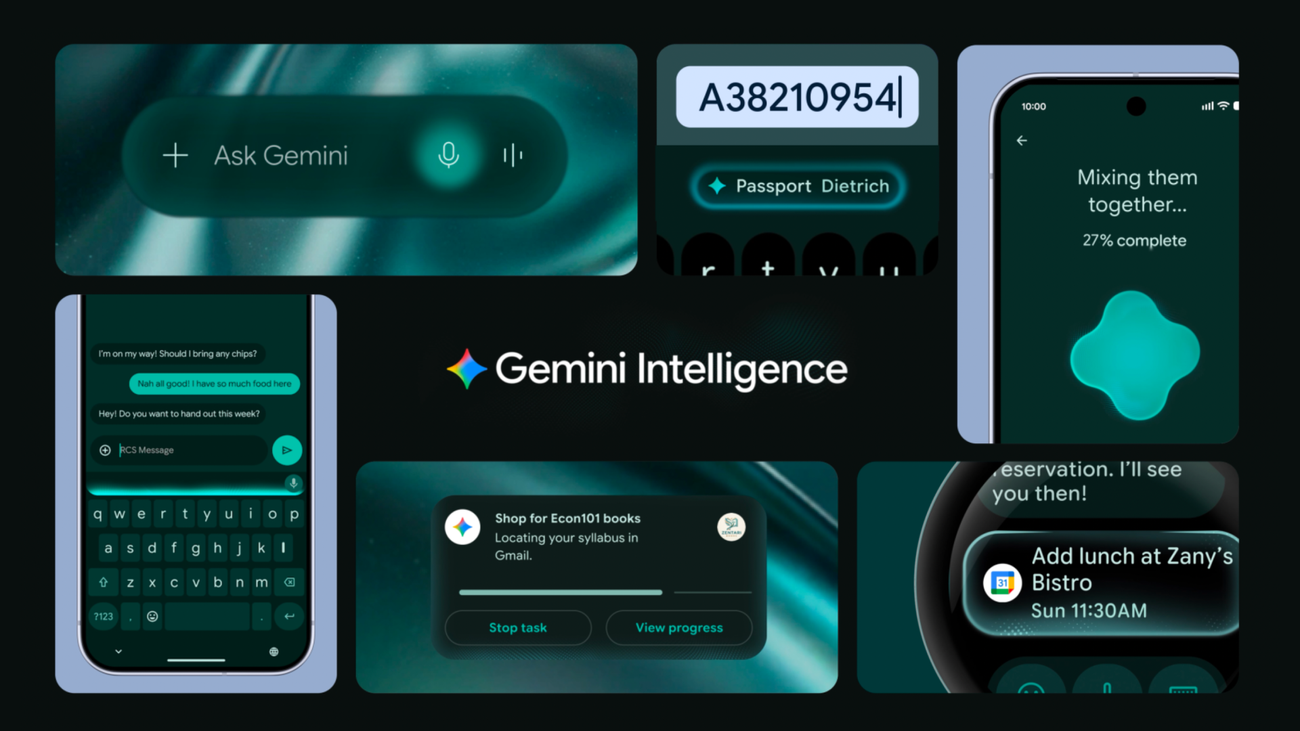
At a streamed Android event this week the company unveiled "Gemini Intelligence," a set of AI-first features that weave its Gemini models through Android — from phones and watches to cars and a new class of laptops. The rollout starts this summer on the latest Samsung Galaxy and Google Pixel handsets and expands to other devices later in the year.
What Gemini actually does on your device
Gemini Intelligence is less a single product and more an operating-layer idea: the AI can understand screen context, hop between apps and perform multi-step chores for you. Want the grocery list in Notes turned into an Instacart basket? Snap, long‑press and ask. See a hotel flyer and want a comparable tour for six? Take a photo and have Gemini search and book options, reporting progress via notifications until it pauses for your final approval.
That agent-like behavior is also landing in Chrome. "Gemini in Chrome" will be able to research, summarize and even auto-browse sites to complete routine web tasks such as booking appointments or reserving a parking spot.
Autofill is getting smarter too: by optionally connecting Autofill with Gemini’s Personal Intelligence your device can pull relevant details from apps to populate complex forms in a single tap. Google says that connection is strictly opt-in and controllable from settings.
Small touches that aim to feel big
Not every new feature is about taking actions. Rambler, an upgrade to Gboard's dictation, cleans up spoken rambling into tidy text and can switch languages mid-sentence — helpful for bilingual speakers who naturally code-switch. Create My Widget lets you "vibe-code" tiny dashboards: ask for a weekly set of high‑protein meal-prep ideas or a cyclist-focused weather tile and Gemini builds a custom, resizable widget for your home screen.
There are also friction-reduction features aimed at focus and creators. Pause Point introduces a soft intervening screen for apps you flag as distractions (think breathing exercises or a photo prompt instead of doomscrolling). Instagram on Android will get on-device editing like one-tap enhancements and sound separation for videos. Screen Reactions records you and your screen simultaneously for instant reaction clips.
Cars, maps and a hint of new hardware
Android Auto gets a visual overhaul and deeper Gemini integration; while parked you can watch video, and while driving Gemini can help with tasks. Google is promising its biggest Maps refresh in a decade — immersive 3D visuals plus lane guidance and overlays like traffic lights and signs.
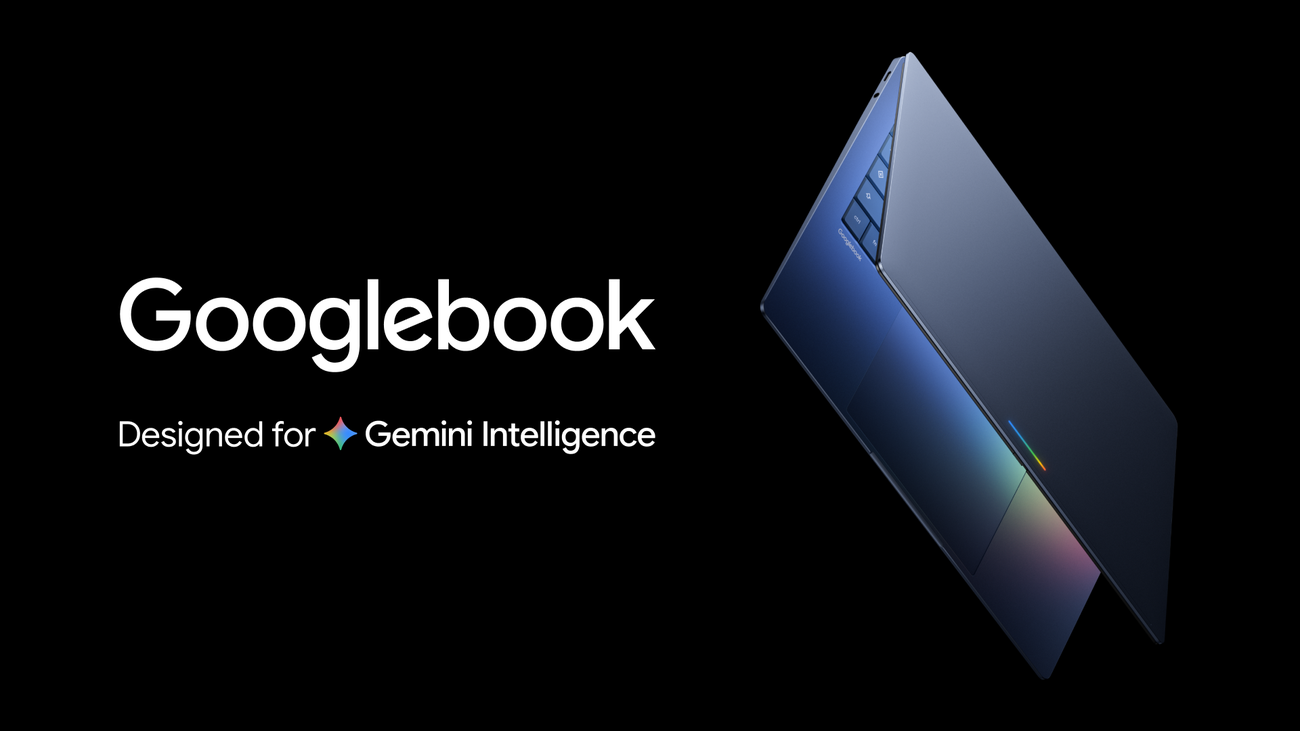
The company also teased a return to laptops with "Googlebooks": Android apps, Chrome and Gemini features on premium hardware from partners including Acer, Asus, Dell, HP and Lenovo. The machines will include a so-called "magic pointer" that uses AI to turn the cursor into a context-aware helper. (Google will share models and prices in the autumn.) For background on Google’s laptop push and leaks around the hardware, see this look inside Googlebook and the aluminium plans Googlebook and the Aluminium leak: inside Google’s Gemini-first laptop push.
Privacy, control and the human-in-the-loop line
Agentic AI can feel powerful and unnerving. Google has repeatedly emphasized that humans stay in control: Gemini returns for confirmation before completing transactions and users decide what Gemini can access. Features such as connecting Autofill with Personal Intelligence are opt-in, and certain transcription audio is used only in real-time and not stored, the company says.
Still, making an AI that can read screens, probe apps and act across accounts raises questions about permissions and potential surprises. That’s why Google has been rolling out Personal Intelligence more broadly and describing region and privacy caveats; the pathway and limits of that rollout are worth watching as these features arrive on billions of devices Gemini Personal Intelligence rollout.
Timing and why it matters
The announcements come as Google tries to cement Gemini as the backbone across its product stack and to show momentum before Apple unveils its own AI refresh for iOS. Industry observers see this as part of a larger race — not just between Google and Apple but also against model-makers like OpenAI and Anthropic for the platform-level role of AI.
For users the immediate impact will vary: many features are gated to newer, higher-end devices at first, and broader availability will trickle out over months. What’s clear is that Google is betting heavily on making Android feel proactive — automations, generative widgets, and context-aware helpers — rather than merely reactive.
You’ll soon be able to ask your phone to do more than answer questions. Whether that change feels like helpful electricity or an intrusive assistant will depend a lot on the controls Google ships and how comfortably people let an AI reach into their apps and lives.