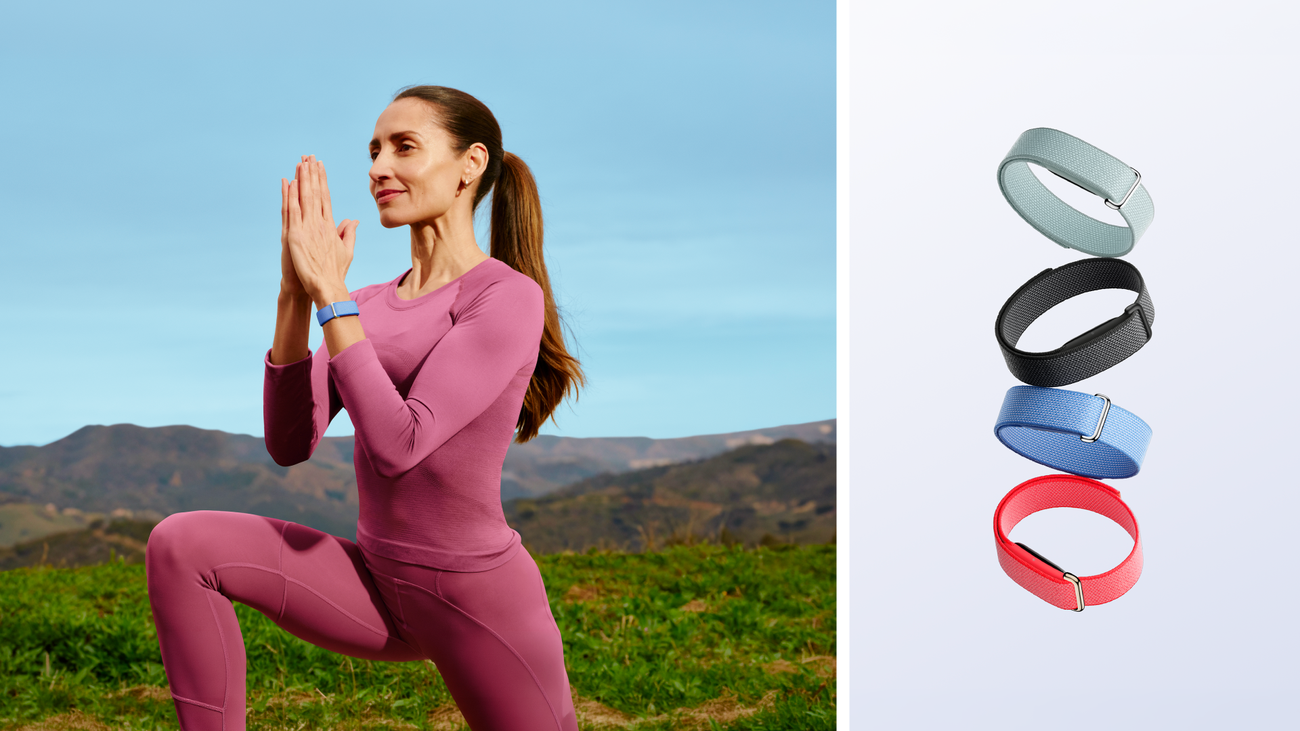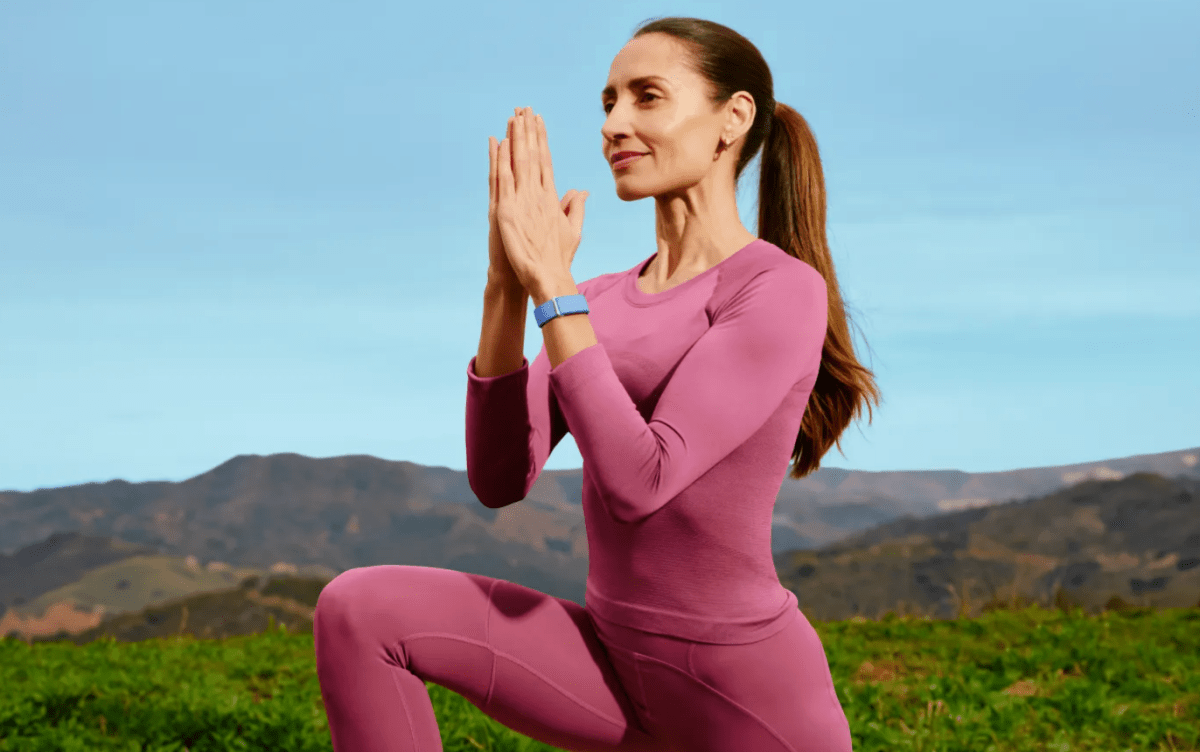
Light, screenless and aimed at people who hate fiddly wearables: Google on Thursday introduced the Fitbit Air, a Whoop-style band that strips away the display and leans hard into comfort, battery life and continuous health tracking — and it arrives alongside a redesigned Fitbit app renamed Google Health and a subscription AI coach.
What the new hardware actually is
The Fitbit Air is small — 25% smaller than the Luxe and half the size of the Inspire 3 — and featherlight: 12 grams with its band, 5.2 grams without. Google says the goal was to make something you can forget you’re wearing, whether you’re sleeping, training or swimming (it’s water-resistant to 50 meters).
Specs that matter: the band offers 24/7 heart-rate monitoring, AFib alerts, blood oxygen sensing, resting heart rate, heart-rate variability, sleep-stage detection and automatic workout tracking. Battery life runs up to a week, and a five-minute quick charge is claimed to deliver a full day of power. It pairs with Pixel Watch hardware, so you could wear a watch by day and slip into the Air for night and workouts.
Google is launching three band styles — a recycled “Performance Loop,” a waterproof “Active Band” and an “Elevated Modern Band” — and the Air will be available for preorder now, going on sale May 26 for $100.
The software hook: Google Health and a paid AI coach
The Fitbit app is getting a big identity shift. On May 19 Google will rebrand the Fitbit app as Google Health and roll out an AI-driven Health Coach powered by Google’s Gemini family of models. The coach is sold as part of Google Health Premium — $9.99 per month or $99 per year — and will be bundled for customers who subscribe to Google One’s AI Pro and AI Ultra tiers.
The Coach is meant to be a day-to-day fitness trainer, sleep adviser and general wellness assistant. During onboarding it asks about goals, equipment, injuries and routines and then offers personalized workout plans, sleep insights and proactive nudges. You can talk to it in natural language, log meals or workouts by dictation or photos, and even upload medical records so recommendations can be informed by your history. Google has been iterating on the conversational experience in public preview; the update shifts that conversational approach into the main Health app — an evolution that follows earlier moves to make tracking more of a chat-first experience and lean on conversational UX.
What’s under the hood — and the limits
The Health Coach uses Gemini models to synthesize data from activity, sleep, nutrition, cycle tracking and (optionally) medical records. Google says the model is grounded in scientific guidance and vetted by an advisory panel, but it warned users during the preview that large-model errors — hallucinations — occurred and remain an area of active improvement. It is explicit that Coach is not a doctor and is not intended to diagnose conditions.
At launch, the coach will work best for people with Fitbit devices and Pixel Watches; broader device support is planned later. The company also plans to sunset the older Google Fit app later this year and fold users into the new Google Health experience.
Privacy, data and the business model
Google stresses that Fitbit data remains siloed from advertising systems — a condition of its Fitbit acquisition — and users must opt in if they want their data used for research or to help train models. The Health Coach itself sits behind a paid tier, which raises familiar questions about who gets full access to deeper insights and what level of care is really available to free users.
The Coach will be available first to select Fitbit and Pixel Watch customers on Android and iOS; Google says broader device compatibility and features, such as viewing Fitbit Air data in Apple Health, are on the roadmap.
A different tack in the wearables race
Google is clearly chasing a slice of the market that values minimalism over a full-screen smartwatch: think Whoop’s skin-in-the-game, subscription-first approach but at a lower hardware price and tied into Google’s AI and services stack. By pairing a lightweight screenless band with a subscription AI coach, Google is betting that many users will prefer a two-piece approach — big watch for the day, tiny band for sleep and recovery — rather than one device that tries to be everything.
There are trade-offs. Screenless trackers make it easier to “live in the moment,” as Google puts it, but they shift the interaction to your phone and to a subscription service. Whether consumers prefer that trade — cheaper hardware, heavier reliance on cloud AI — will play out over the next few quarters as the Air ships and the Health Coach rolls out more broadly.
If you want a quick peek at the technical lineage behind the assistant powering Coach, Google’s recent work on open models and edge-friendly agents provides useful context for why it’s leaning on Gemini today and why model strategy matters.