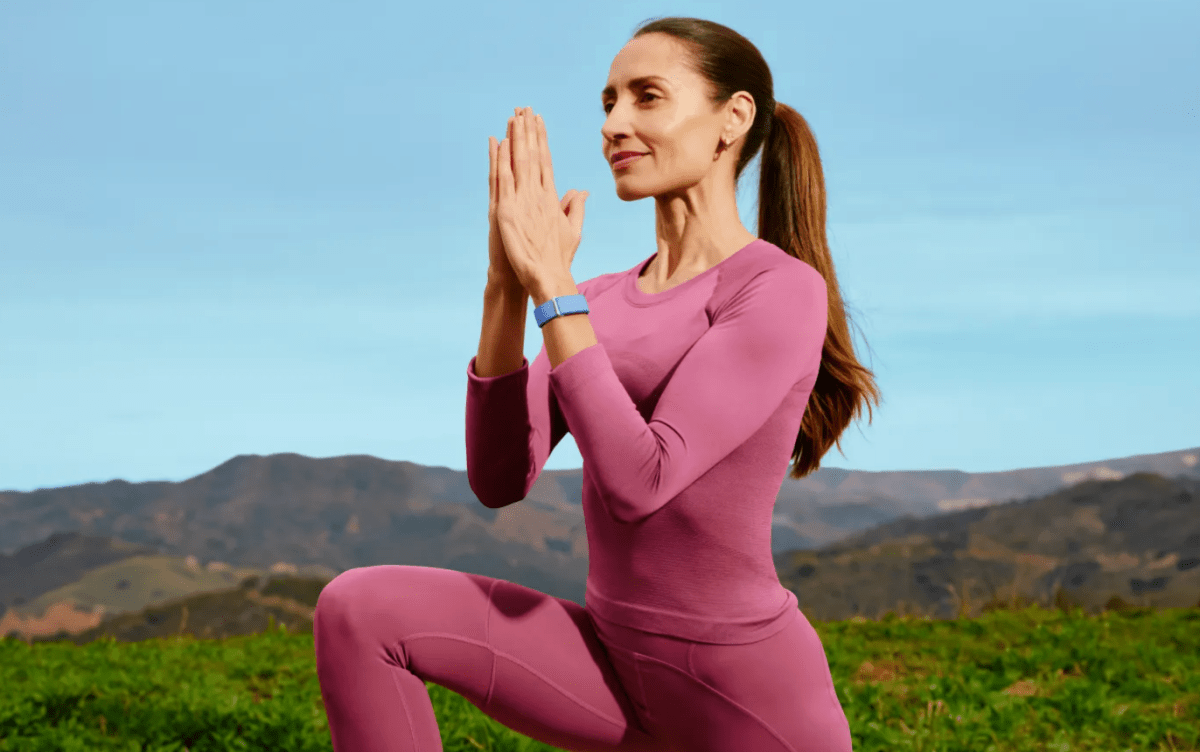
Google quietly nudged another change into the wearables market this spring: the Fitbit Air, a screenless, $99 tracker designed to stay out of your way while feeding an AI concierge in your phone.
The hook is simple. Wear a tiny “pebble” all day and night, let it collect heart rate, SpO2, temperature and motion data, and then ask Google’s new Health Coach — powered by Gemini models — to make sense of it. It’s a different take on the wrist: less glanceable gadget, more quiet data collector.
What the Air actually is
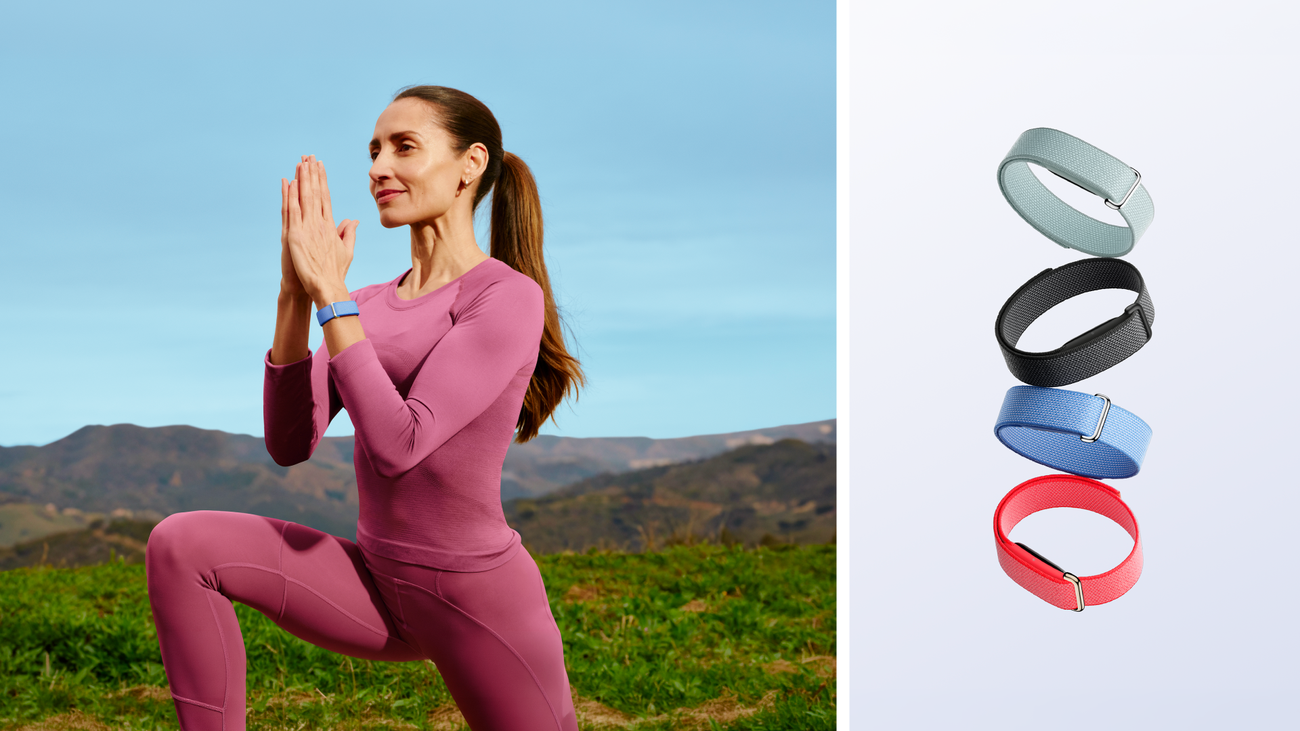
The Fitbit Air looks like a deliberate step back from the smartwatch arms race. There’s no face to swipe, no homescreen to distract you — just a small puck that nests into interchangeable bands. Google says it’s its smallest tracker yet: about 1.4 inches long and 0.7 inches wide, according to hands-on descriptions. The sensor array includes 24/7 heart monitoring (with rhythm/Afib alerts), SpO2, heart rate variability, sleep stages and duration, and skin temperature.
Battery life is a selling point: expect up to a week between charges, plus a fast-charge boost that gives a day of power in roughly five minutes. The device can store a day of data offline if your phone isn’t nearby. Vibration lets it handle alarms, but it won’t replace a smartwatch for full notification duty.
There are three band styles (Performance Loop, Active Band, Elevated Modern), and a Stephen Curry special edition sport loop that swaps team colors for a racing-stripe interior and a water-resistant coating.
Price, availability and the app tie-in
Fitbit Air is available for pre-order now and will appear on shelves in late May. The standard pebble with a Performance Loop launches at $99.99; the Stephen Curry special edition is $129.99. Bands start at $34.99. Each purchase comes with three months of Google Health Premium, the paid tier that unlocks the AI coach and extra guided features.
Behind the hardware is a bigger shift: the Fitbit app is being rebranded and rebuilt as Google Health. The renamed app will inherit Fitbit’s tracking basics, while pushing the AI-driven coaching features behind the Premium paywall. If you want to read more about the combined product pitch Google made, the company’s launch coverage is one place to start, and there’s also coverage focused on the app’s conversational coaching direction Fitbit's app update turns tracking into a conversational coach.
The AI promise — and the push to play nice with rivals
Google’s motive is layered. The company wants people to keep collecting continuous biometrics (something many abandon because smartwatches are bulky or need daily charging) and to feed that data into a personalized assistant that gives relevant nudges: a suggested workout plan, a sleep summary explained, or context about an unusual heart rhythm.
The Health Coach runs on Gemini-derived models and is tuned with medical experts and user testing, Google says. Many of the coaching features will require a Google Health Premium subscription (roughly $10/month or $100/year, echoing Fitbit Premium’s pricing). The coach can summarize trends, suggest personalized workouts, and — in some demos — even log food from a photo.
Google is also trying to make the coach device-agnostic. The company told reporters it’s working to bring support for Apple Watch and others later this year and to better interoperate with Health Connect and Apple’s HealthKit so users can choose their hardware while still using Google’s coaching layer. That strategy mirrors a broader industry move: companies are angling to be the AI layer on top of people’s health data, regardless of which wrist they wear.
Privacy, accuracy and the cautionary notes
Collecting sensitive health metrics and routing them through a cloud-based AI raises predictable questions. Google has reiterated that it won’t use your health data for advertising, and it says it won’t use that data to train its AI models unless users explicitly opt in. Still, handing detailed sleep, heart and activity logs to any cloud service feels like a higher-stakes choice than sharing steps and playlists.
There are also accuracy limits to acknowledge. Google admits the Air’s heart-rate sensor isn’t as sophisticated as the top Pixel Watch units, and some clinicians and institutions caution that AI assistants can be brittle: they may lack full clinical context, nuance, or the reasoning that a trained provider brings. Google, OpenAI and Microsoft have all been careful to say these tools are not replacements for professional medical care.
Where this fits in the market
Fitbit Air isn’t trying to dethrone Apple or Samsung on specs. Instead, it’s a strategic nudge toward continuous, low-friction data collection that feeds an AI product. The price point is aggressive: $99 puts it in direct competition with other screenless trackers and subscription-first wearables like Whoop. If Google can stitch the coach into a cross-device experience and convince people they don’t need a display to get useful insights, the company could expand its footprint among non-smartwatch users.
For context on Google’s launch messaging and how the Air ties to the company’s AI-health ambitions, see the company’s broader announcement, which frames the device as part of a Gemini-powered health push Google debuts $100, screenless Fitbit Air and a Gemini-powered Health Coach.
This is a bet on subtlety: less screen, more consistent telemetry, and an AI that turns raw numbers into actionable suggestions. Whether people prefer quiet trackers or the immediacy of a smartwatch will determine if that bet pays off.