“It’s not necessarily [that] we’re going after a phone, no.”
That hesitant line from Panos Panay, Amazon’s head of devices and services, has set off a familiar kind of tech rumor whiplash: never quite a denial, never quite a confirmation. In a Financial Times interview reproduced across outlets, Panay pushed back on the idea that Amazon is planning a straight-up smartphone sequel to the ill-fated Fire Phone — but his hedging was as revealing as a simple yes or no might have been.
Not a sequel, maybe a reimagining
Panay’s key point is practical: the conventional phone form factor isn’t vanishing, but it’s “going through some transformation.” That leaves room for something that acts like a phone — a pocket-sized hub for messaging, maps and cameras — without looking or behaving exactly like an iPhone or Galaxy. Insider whispers about a project codenamed “Transformer,” reportedly driven by Amazon’s Alexa Plus AI, fit perfectly into that reading. If Amazon builds anything, the company’s focus may be on rethinking how you interact with your personal assistant and home services rather than on competing purely on specs.
That’s a different posture from the Fire Phone era. Amazon’s last mainstream handset stumbled partly because hardware alone can’t buy loyalty. Panay knows that: he carried his own Surface Duo scars from Microsoft, and he’s plainly cautious about repeating mistakes.
The home-first angle (and why Amazon might prefer it)
Amazon already has millions of Alexa devices in living rooms and kitchens. Panay repeatedly framed the home as Amazon’s current hub, which suggests any new product might be designed to broaden that foothold — a wearable or pocket device that extends Alexa into more private, mobile moments rather than trying to replace an iPhone outright. Spyglass’s analysis pushed this idea further: Amazon could aim for devices that complement existing phones before attempting to become the primary computing hub, perhaps even linking into larger infrastructure bets like satellite connectivity projects.
That strategy would let Amazon leverage the strengths of its ecosystem — retail, Prime services, AWS and Alexa — while avoiding a direct, head‑on clash with Apple and Google in a market that’s already brutally mature.
The risk: an ad-first handset
Not everyone welcomes the possibility. Critics worry that Amazon’s business model could shape the device in ways users dislike. Columnists have sketched a bleak scenario: a heavily subsidised handset that feels cheap, prioritized for upsells and peppered with persistent ads — the same frustrations some users complain about on Amazon’s services today. Given Amazon’s tendency to surface commerce inside many of its apps and services, skepticism is understandable: a phone that nudges purchases at every turn would be an easy way to monetize a subsidized device, and a quick route to user backlash.
Between speculation and strategy
So where does that leave us? Panay’s language — “not necessarily” and “if I black and white say no, I would say that was accurate. But I also think it’s misleading” — is a deliberate product-manager dodge: keep options open, avoid tipping competitors, and manage expectations internally and in the market.
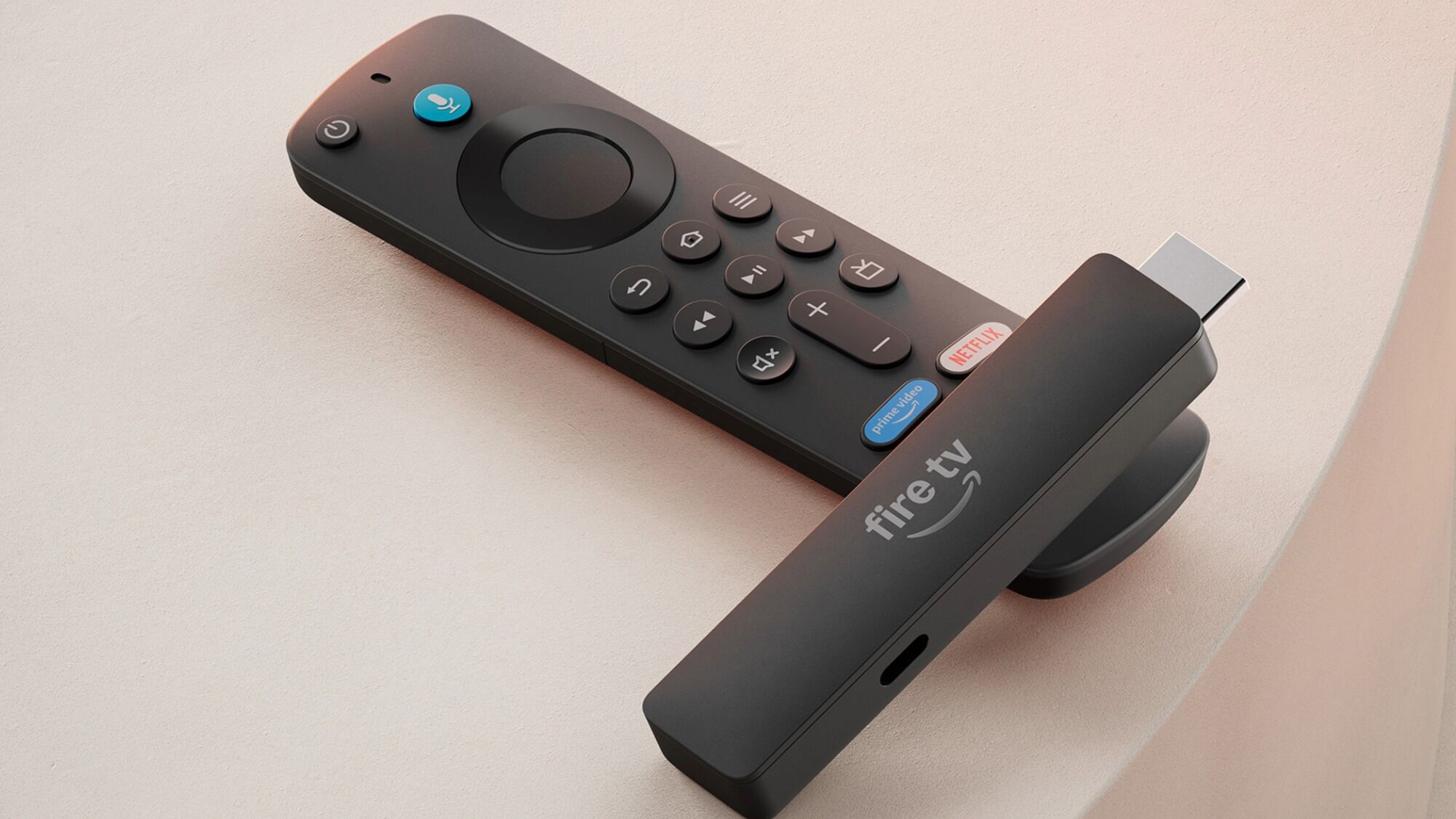
What’s more concrete is Amazon’s renewed investment in form factors beyond the standard slab: Panay mentioned AI wearables and other devices, and Amazon’s recent hardware moves (including updates to its TV and streaming lineup) show it’s still building the plumbing that could support a mobile-adjacent device. If you want a sense of how Amazon treats device ecosystems and firmware choices today, its Fire TV direction is a decent reference point Fire TV Stick HD. And the broader assistant wars — Apple reworking Siri with a standalone app and new business features — help explain why Amazon won’t rush: voice and hub strategies are evolving fast across companies Apple to Ship a Standalone Siri App and New Business Hub.
Meanwhile, questions about long-term device support and user trust loom; Amazon’s recent moves around legacy Kindle support are a reminder that hardware ecosystems come with lifecycle choices that affect users years later Amazon will cut Kindle Store access for pre‑2013 Kindles on May 20.
If Amazon does ship hardware that looks like a phone, expect it to be less about matching specs and more about stitching services together: seamless shopping and media on the one hand, and a new Alexa experience on the other. Whether that is compelling or coercive will depend on execution — interface, privacy controls, and how aggressively Amazon tries to surface commerce inside the device.
For now, the clearest thing about the rumor is its ambiguity. Panay didn’t slam the door; he cracked it just enough to let ideas — wearables, home‑mobile bridges, AI assistants that travel with you — slip through. That’s probably intentional. Amazon has the reach to make a phone-like device influential, but it also has plenty to lose if it revives the errors of the Fire Phone era. The conversation is only getting started, and if Transformer exists, it may not look like the phone you remember — or even like a phone at all.