A terse Weibo post from a leaker calling themselves Instant Digital — “It’s 100% confirmed that the MacBook screen will be touch-enabled” — kicked off another round of breathless headlines. The claim is blunt, unusual for a rumor world that favors caveats. But it sits on top of a stack of supply‑chain notes, analyst forecasts and software breadcrumbs that make the idea hard to dismiss.
How certain is “100%”?
Short answer: not literally. Instant Digital’s wording is emphatic, but their track record is thin. Still, other threads weave a consistent picture. Supply‑chain chatter says OLED panel production for a touchscreen MacBook Pro cleared a major hurdle, and Samsung Display was reportedly ready to ship panels. Research firm Omdia even put concrete numbers on demand for OLED notebook displays as their adoption grows. Respected insiders such as Ming‑Chi Kuo and Mark Gurman have separately suggested touchscreen Macs are on Apple’s roadmap, with many expecting a rollout by late 2026 or early 2027.
That’s why this particular Weibo claim landed with more weight than most: it aligns with manufacturing signals and analyst timelines. But manufacturing readiness isn’t the same as a boxed product announcement — Apple can and does change plans if the user experience isn’t right.
What the software hints tell us
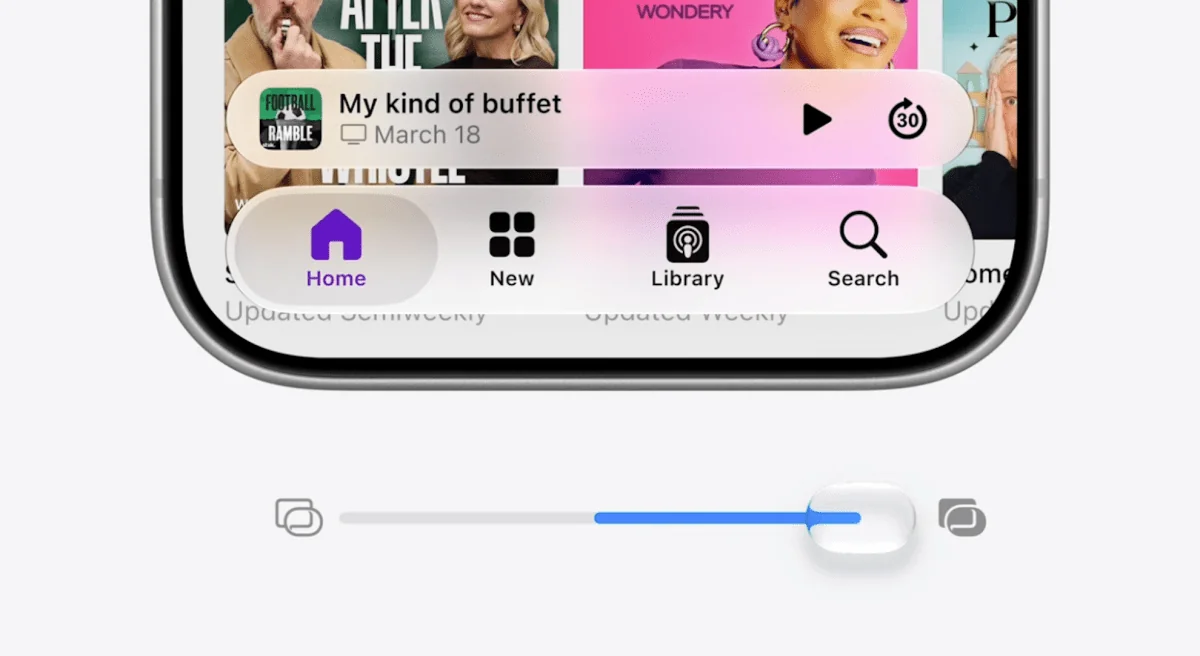
Apple has been quietly preparing macOS for more touch-friendly behaviour. macOS 27 (code‑named Golden Gate) brings touch input to Sidecar and adds touch-specific cues — pull‑to‑refresh in Safari, Mail and News, for instance — which read like scaffolding for a laptop that can respond to fingers as well as a trackpad.
That’s not proof, but it’s meaningful: shipping a touchscreen Mac without OS changes that respect touch would be textbook Apple mismatch. If you want the short tour of those software changes, macOS 27’s tweaks to Liquid Glass and touch handling are a good place to start macOS 27 will tune Liquid Glass and give Safari an AI tidy-up.
What the hardware might look like
Rumors point to an OLED display — thinner, deeper blacks, better battery efficiency — and extra contextual menus that appear where you touch the screen. Some reports speculate a Dynamic Island cutout could carry over to a MacBook display, and there’s chatter about a top‑tier M6 chip inside the rumored MacBook Ultra. A caveat: all that premium silicon and OLED tech could push prices up; some estimates suggest a roughly 20% hike over current pro models.
If Apple does ship an OLED touchscreen MacBook, it won’t just be a digitizer slapped on top of macOS. Expect UI changes in first‑party apps and likely APIs for developers to put touch‑sensitive widgets where they make sense — the type of measured evolution Apple favors. For a sense of how Apple has rethought product tiers before, look back at how it positioned the MacBook Neo and other lineup shuffles MacBook Neo: Apple’s $599 gambit that reshapes the mid‑range laptop fight.
Why Apple resisted touch — and why that might be changing
Traditionally Apple argued that touch and macOS don’t mix well: fat fingers versus tiny UI controls, and the mouse/keyboard workflow that professionals depend on. But hardware and software have moved. OLED panels offer different design tradeoffs, macOS has started nudging toward touch, and Apple’s growing appetite to blur product distinctions — think iPad apps running on Macs, the Studio Display ecosystem — changes the calculus.
There’s also a pragmatic market motive. Competitors shipping touch laptops for years haven’t scuttled Mac demand, but as displays and software converge, Apple could see an opportunity to differentiate a high‑end laptop with a refined touch implementation that avoids the blunt, kompromiß‑style approaches others have taken.
The practical impacts
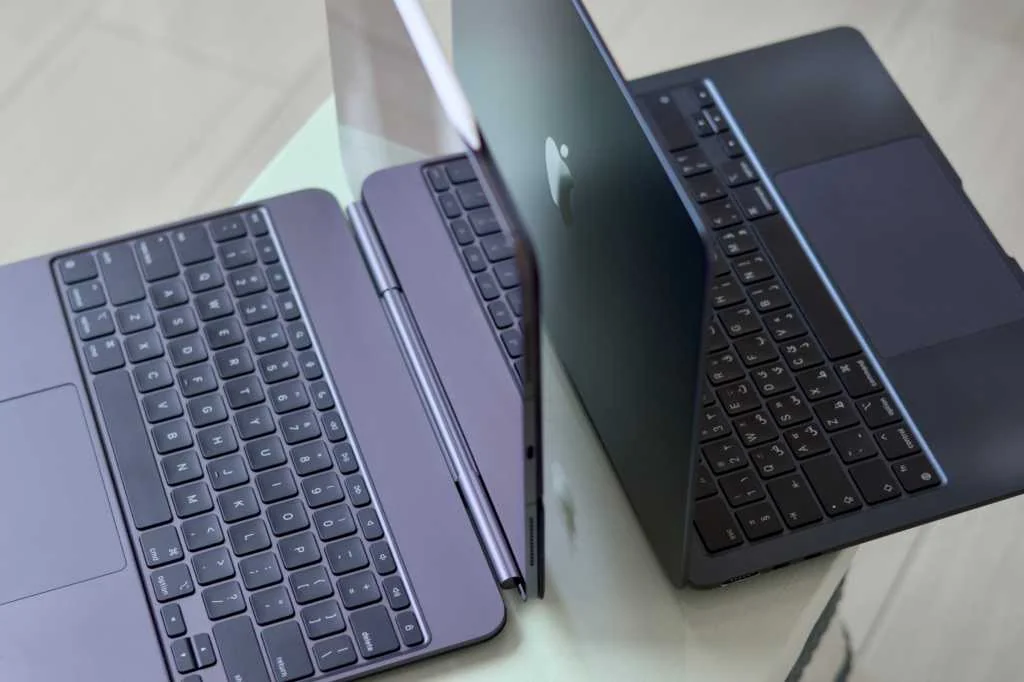
If a touchscreen MacBook arrives, it will ripple through several areas: accessory makers will rethink keyboard/cover designs; app developers will need to add touch affordances; enterprise deployers will evaluate whether touch makes Macs more or less suitable for specific tasks. For creative users, a touch surface coupled with the Apple Pencil (if Apple expands Pencil support) could nudge workflows in interesting directions — but Apple has a history of throttling accessory roadmaps until the platform is ready.
Timing and what to watch for next
Don’t expect an immediate Apple keynote with fireworks based on one Weibo post. Instead, watch supply signals and macOS updates: more touch‑aware features in developer betas would be a stronger indicator than a single leak. Omdia’s display forecasts and component supplier reports are useful barometers for when production can scale.
Leaks like Instant Digital’s are a spark. The surrounding embers — OLED supply readiness, OS changes in Golden Gate, analyst timelines pointing to late 2026 — are what make the idea plausible. Whether Apple will ship a fully fledged touchscreen Mac that respects the Mac way of doing things, or a more cautious hybrid that only partially leans on touch, is the real, interesting question.
Either way, the era when the idea felt impossible is over. The more relevant question now is how Apple will do touch without turning the Mac into something it’s not — and when we’ll be able to try one in a store.