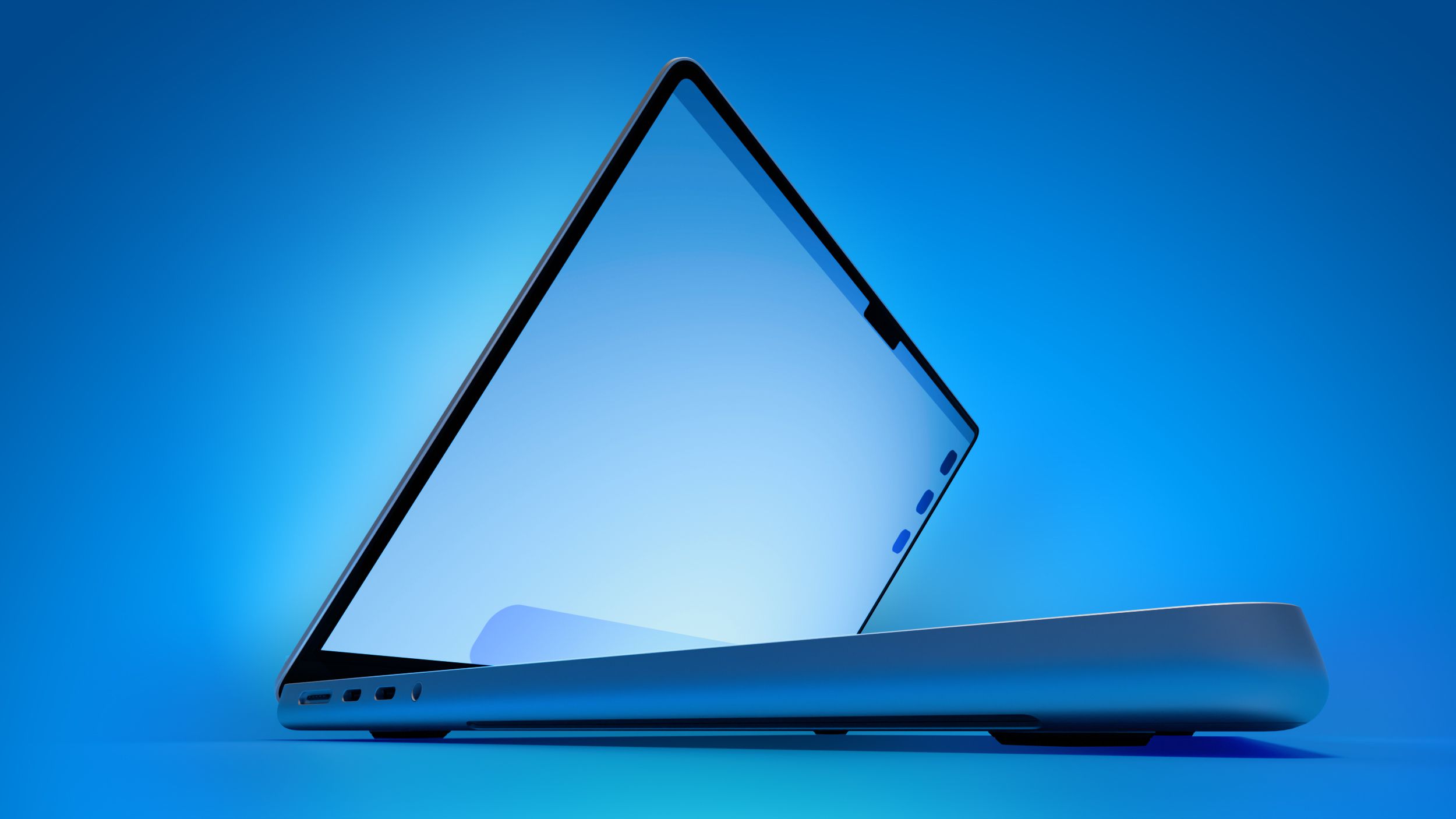
Apple plans a modest course correction for macOS 27: a refinement of the Liquid Glass look that hit macOS Tahoe, and a new AI-backed option to automatically group Safari tabs. The details come from Bloomberg’s Mark Gurman and have been widely reported ahead of WWDC on June 8.
macOS 27 won’t rip out Liquid Glass. It will tweak it. That distinction matters to people who liked the visual overhaul and to those who found Tahoe’s translucency and shadows made text harder to read on typical Mac screens.
Gurman says the changes are intended to address “shadows and transparency quirks” — essentially cleaning up contrast and readability problems that users complained about after the Liquid Glass rollout. The fixes aren’t described as a redesign so much as a tune-up: think adjusted opacity, smarter shadowing and a few layout refinements so the interface looks closer to what Apple’s design team originally intended.
Why the problem existed in the first place boils down to a mismatch of expectations and hardware. Liquid Glass was conceived with OLED displays in mind, which render translucency and subtle shadowing more faithfully. Most Macs still ship with LCD panels, and on those screens some of Liquid Glass’s frosted layers and soft shadows can look washed out or muddy. Gurman notes that Apple’s engineers will try to make the interface sit better on today’s hardware while future OLED Macs should make the effect read the way designers wanted.
Performance, polish — and Siri
Alongside visual adjustments, macOS 27 is said to emphasize code cleanup: bug fixes, efficiency gains and battery-life optimizations are on the menu. That mirrors Apple’s recent approach of pairing visible new features with under-the-hood improvements.
The update will also be part of a broader push across Apple’s platforms this year: iOS 27, iPadOS 27 and macOS 27 are expected to surface a more capable, Gemini-powered Siri and tighter integration between Siri and Spotlight search. If you’ve been tracking Apple’s UI experiments, note that Apple has already softened Liquid Glass in earlier minor releases — an example of that work is covered in a piece about iOS 26.4’s option to frost the interface for better contrast iOS 26.4 softens Liquid Glass, adds emoji and music tweaks.
Safari gets an AI butler for your tabs
The other headline is more functional: Apple is testing an AI-driven Safari feature that automatically groups tabs. In iOS 27 betas the central tab button reportedly includes an “Organize Tabs” option that can be set to group tabs automatically. The idea is to save you from the chaos of dozens of open tabs — Safari would sort and bundle related pages into groups for easier navigation. Apple is likely to offer a toggle so users can opt out if they prefer manual control.
This kind of auto-grouping fits into Apple’s broader AI strategy — a mix of on-device smarts and server-backed models — and complements other rumored changes such as a standalone Siri app and business-focused features Apple to Ship a Standalone Siri App and New Business Hub — and Let You Pick Which AI Answers.
WWDC timing and rollout
Apple will unveil the new OS at WWDC on June 8. Historically, the first developer betas appear right after the keynote, with public betas following in July and a general release in September. That timeline means developers and curious users will get an early look at Liquid Glass adjustments and the new Safari tab features well before most customers see the final build.
What to watch for
- How aggressive Apple is with contrast changes — subtle tweaks could satisfy many users, but some will still dislike the design language itself.
- Whether the tab-organizing AI runs on-device and respects user privacy, or relies on cloud processing for better grouping accuracy.
- Any performance and battery improvements that accompany the UI work — those are often the quiet wins in a yearly OS refresh.
There’s room for Apple to thread a narrow needle: keep the visual identity of Liquid Glass while fixing the practical annoyances that showed up on mainstream Mac hardware. If the company succeeds, macOS 27 will feel familiar but fresher — less of a style experiment and more of a pragmatic iteration. If not, expect the debate to continue in forums and comment threads, as it always does.
The keynote is three weeks away, and Apple’s WWDC stage will be the first chance to see whether these changes land as promised.