Apple season of whispers is in full swing. If the leaks stacking up from the last few weeks are right, the iPhone 18 generation will be more patchwork than single‑note upgrade: a leap in silicon for the top-tier models, modest or even trimmed spec choices lower down, and a bold — possibly expensive — bet on a foldable flagship.
A20 Pro: the miniaturization and packaging jump
The rumor that keeps coming up is the A20 Pro moving to TSMC’s 2‑nanometer process. That’s a genuine manufacturing leap: moving from 3nm to 2nm usually buys better efficiency, higher transistor density, and more thermal headroom. Combine that with a packaging change — Wafer‑Level Multi‑Chip Module (WMCM) — and you get another advantage: memory sitting physically closer to the SoC, which helps performance-per-watt for memory‑heavy tasks like on‑device AI.
Put bluntly: the A20 Pro could be both faster and more power-efficient, and especially better at the sort of inference and neural tasks Apple will push in iOS 27. Leakers are specifically tying WMCM to improved AI performance and gaming, since integrated DRAM and SoC communicate with less latency and lower power draw.
A smaller Dynamic Island and a much bigger Pro battery?
Expect subtle face-lift work up front. Several rumors suggest Apple will shrink the Dynamic Island — possibly by roughly a third — and push more Face ID components under the display on Pro models. That could leave the front camera as a small pinhole or move elements toward the top left, depending on which rumor you believe. Under‑display sensors tend to be a balancing act: cleaner visuals versus halo effects and potential selfie quality hits. Apple’s options here range from partial under‑screen Face ID (keeping some cutouts) to near‑invisible hardware.
On the battery front the chatter is loud: a leaked figure of around 5,000 mAh for some iPhone 18 Pro units (and up to 5,200 mAh in eSIM‑only variants) would be a material change. After the iPhone 17 Pro’s shift toward thicker, longer‑lasting devices, this would be Apple leaning into endurance rather than shaving millimeters — and that would please many users.
Cameras, colors and an aluminum finish that refuses to go away
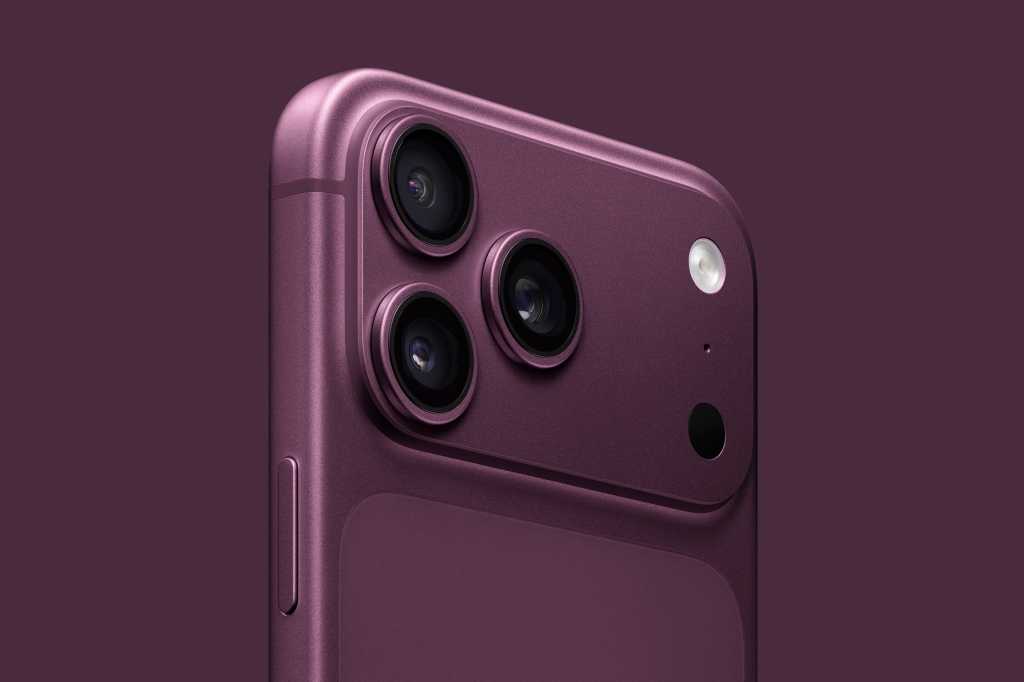
Photographers might get new toys. Reports claim at least one Pro rear camera could gain a mechanical variable aperture — a real iris — which would let the phone adjust depth of field and light gathering more like a traditional camera. Faster telephoto apertures and upgraded front sensors (24MP on most models, per rumors) are also in the mix.
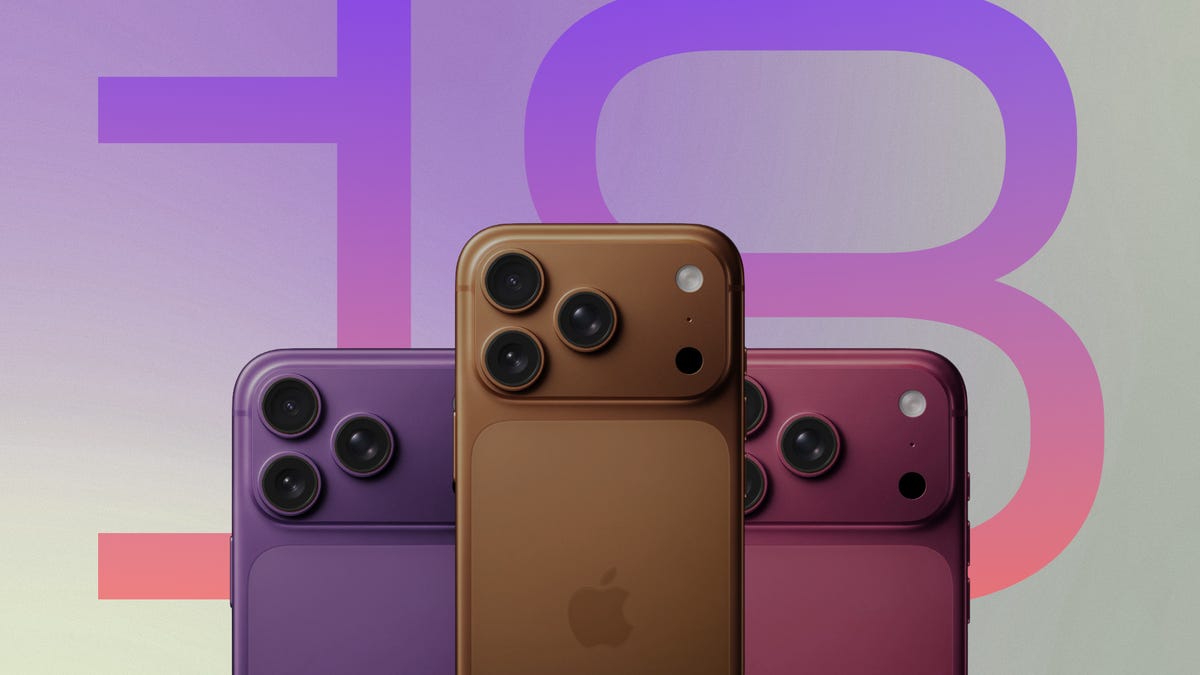
On the cosmetic side, the Pro models are expected to keep the anodized aluminum finish Apple introduced with the 17 Pro. That finish has drawn complaints about chipping and color shifts in some colors; despite the feedback, Apple reportedly plans to stick with aluminum for the 18 Pro. Leaks point to a Dark Cherry (deep red) signature color alongside lighter blue, gray and silver options. If you’ve been tracking the color conversation, you can read more about the deep‑red rumors in this roundup of Pro color chatter here.
Will the standard iPhone 18 be 'downgraded'? And who ships when?
Not all models are getting the premium treatment. Multiple leakers claim Apple is narrowing the gap between the standard iPhone 18 and the cheaper 18e by sharing components or dialing back certain specs to cut costs. That’s an unusual move for Apple, but component price pressure (particularly RAM and storage used for AI workloads) helps explain the logic.
Apple may also stagger releases: premium models — the Pro, Pro Max and the rumored foldable (more on that next) — could arrive in the usual September window, while the base iPhone 18 and 18e might only ship in early 2027. For a wider look at how these pieces might fit together — colors, downgrades and the foldable — see this roundup here.
iPhone Ultra (Fold): Apple's foldable ambitions and the technical headaches
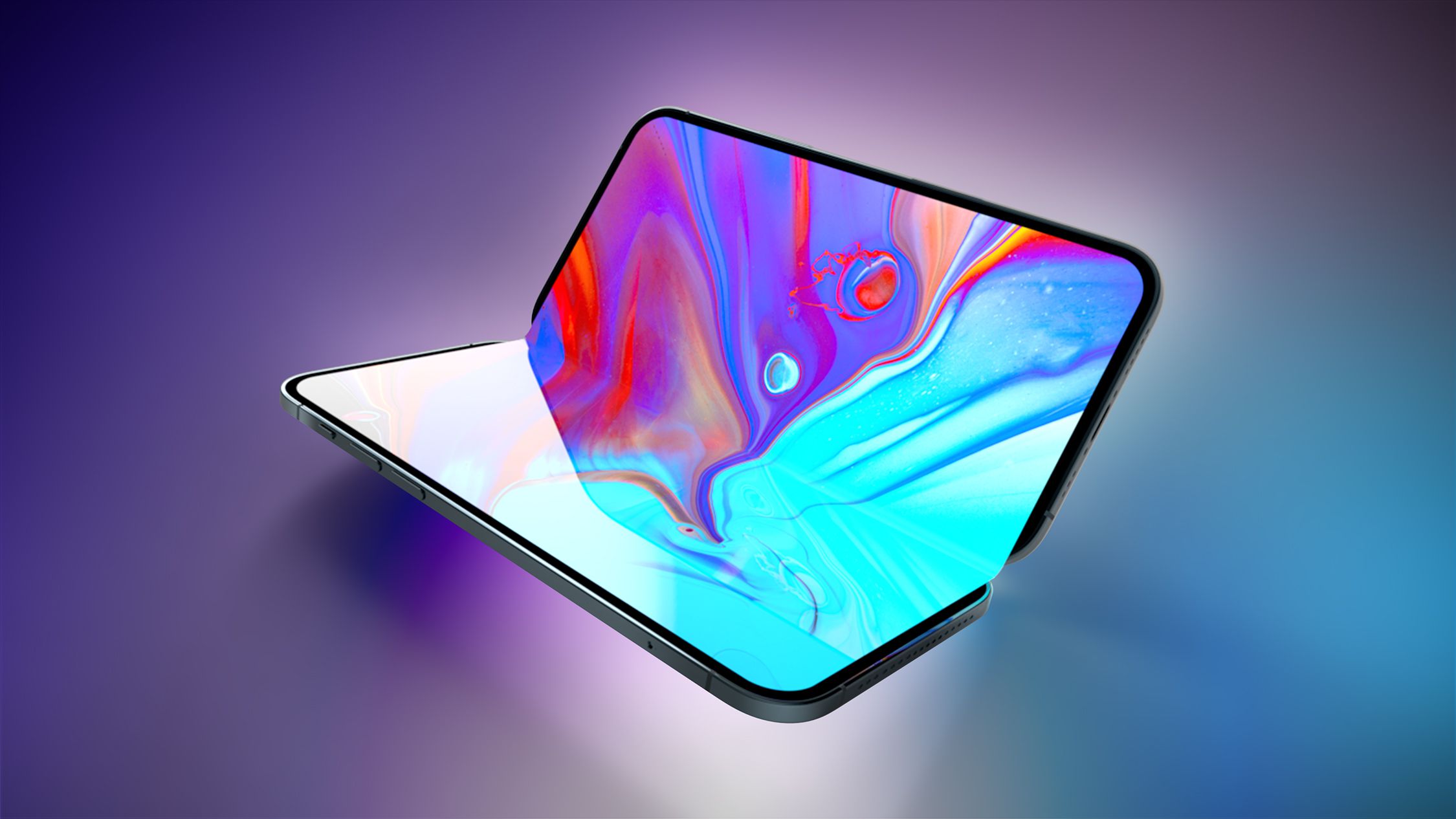
The foldable — often called the iPhone Ultra in leaks — is shaping up to be Apple’s attempt at a dramatically different form factor: a compact outside display around 5.5 inches and a much larger internal panel near 7.8 inches with a squarer aspect ratio. Expect titanium and aluminum construction, dual displays, and compromises — early dummy units suggest no TrueDepth stack inside the foldable frame, which means Apple could opt for Touch ID instead of Face ID on that device.
A foldable also brings hard engineering questions. How do you hide a crease without wrecking durability? Can Apple get a crease‑free look without fragile glue layers or a fragile laminate? There are ongoing experiments in glue, engineered glass, and hinge tech to tackle the crease problem; if you care about that engineering race, here's a deeper look at the crease fix challenges for foldables here.
Expect pricing to reflect novelty. Bloomberg’s reporting and other leaks point to a sticker that could cross $2,000 — which would put Apple squarely into the premium foldable territory and probably make the Ultra a niche first‑gen device.
Why these rumors matter — and what to watch for
Taken together, the leaks sketch a classic Apple split: the company pours bleeding‑edge silicon and packaging into its top models while keeping options to tighten margins on mainstream devices. If A20 Pro actually ships on 2nm WMCM, it will be one of the more important hardware steps in years because it changes what phones can do locally — particularly around AI and sustained performance.
But there are tradeoffs everywhere. Aluminum durability complaints stick around. Under‑display sensors promise cleaner screens but risk quality tradeoffs. And a staggered launch calendar would be familiar to anyone who remembers the 16E/17E pattern — it’s a way to stretch consumer interest across seasons.
If you’re shopping this fall, watch three things: the A20’s real‑world efficiency (not just lab numbers), whether the smaller Dynamic Island compromises Face ID or selfie quality, and whether the foldable’s price and availability make sense for you.
Apple will lock the answers in at its fall event — and maybe at WWDC if software hints arrive sooner. Until then, the rumor mill offers a picture of a company both refining the core phone and experimenting loudly at the edges.