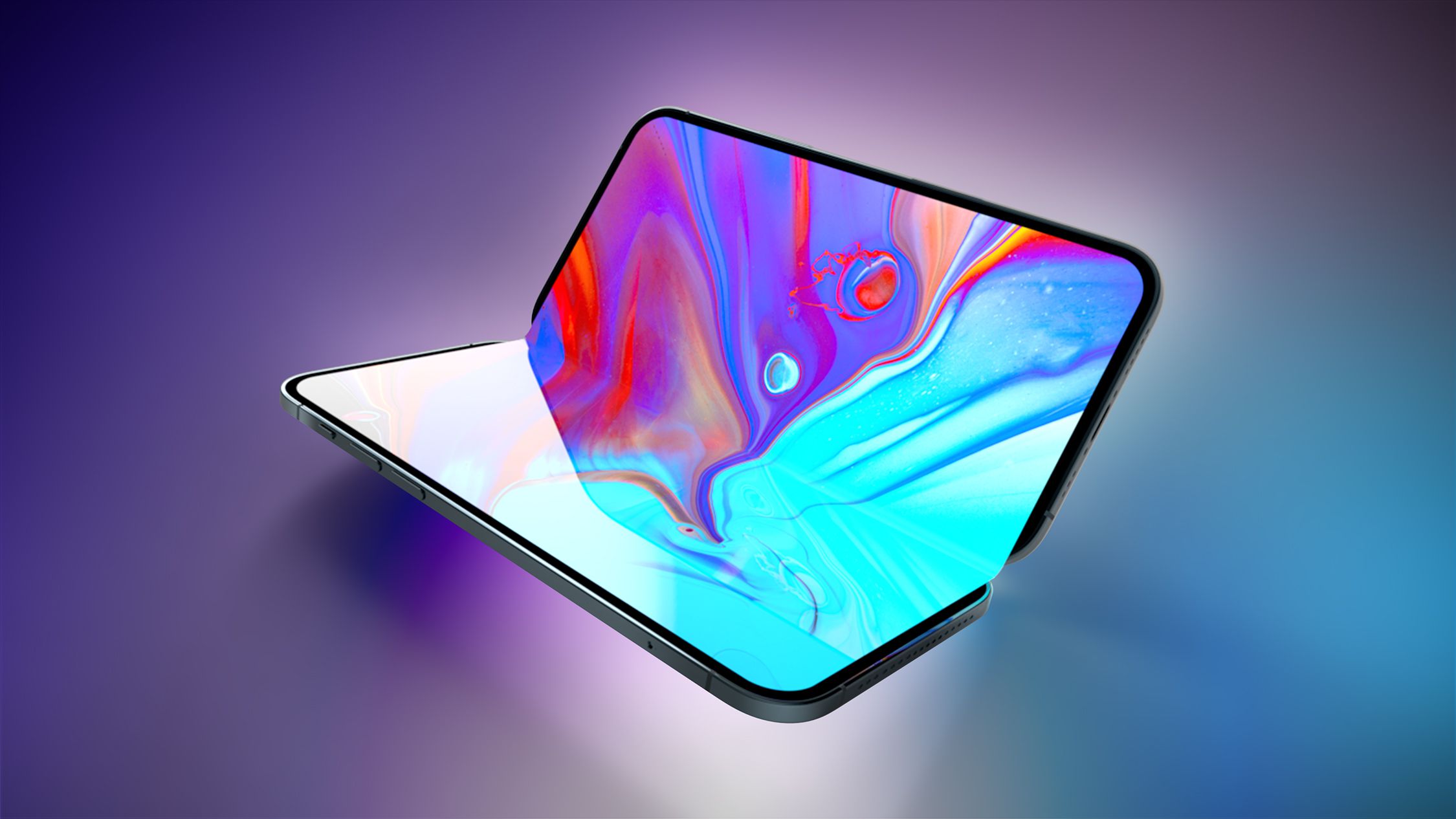
Unbox Therapy’s dummy unit — the short, wide, passport-shaped thing that’s been all over feeds — did what good leaks always do: it forced a mental rewrite of what “iPhone” might mean in 2026. For a device that folds open to a tablet-sized display, the immediate reaction wasn’t just about the hinge or the crease. People noticed the proportions. Then they started imagining how they’d type on it. And tech whisperers began arguing that Apple hasn’t built a foldable phone so much as a pocketable iPad that can take calls.
A portable iPad, not just a stretch phone
That passport shape matters. Compared with Samsung’s long, narrow folds, the rumored iPhone Ultra favors a squatter, more square inner display — reportedly close to a 4:3 ratio. That’s the same house style Apple uses for iPads, which makes a strong case that the company is aiming for tablet-like workflows rather than merely “expandable phone” gimmicks. On a 4:3 canvas, apps, video, and documents sit more naturally; video has fewer awkward bars and many apps scale better. In short: unfold and you get something closer to an iPad mini experience.
Writers and reviewers who handled dummy units pointed out that this changes how you’ll use the device day-to-day. Instead of treating the inner screen as an occasional extra, users may split time more evenly between the folded pocketable state and the unfolded tablet state. Apple’s software will need to mirror that intent — and the company has already been nudging the OS for larger formats in recent updates. If you want a deep dive into the software side of Apple’s foldable work and the Liquid Glass conversation, there’s useful context in the iOS 26.4 notes about Liquid Glass and interface tweaks (/news/ios-26-4-liquid-glass-emoji-macos-26-4).
The surprising repairability claim
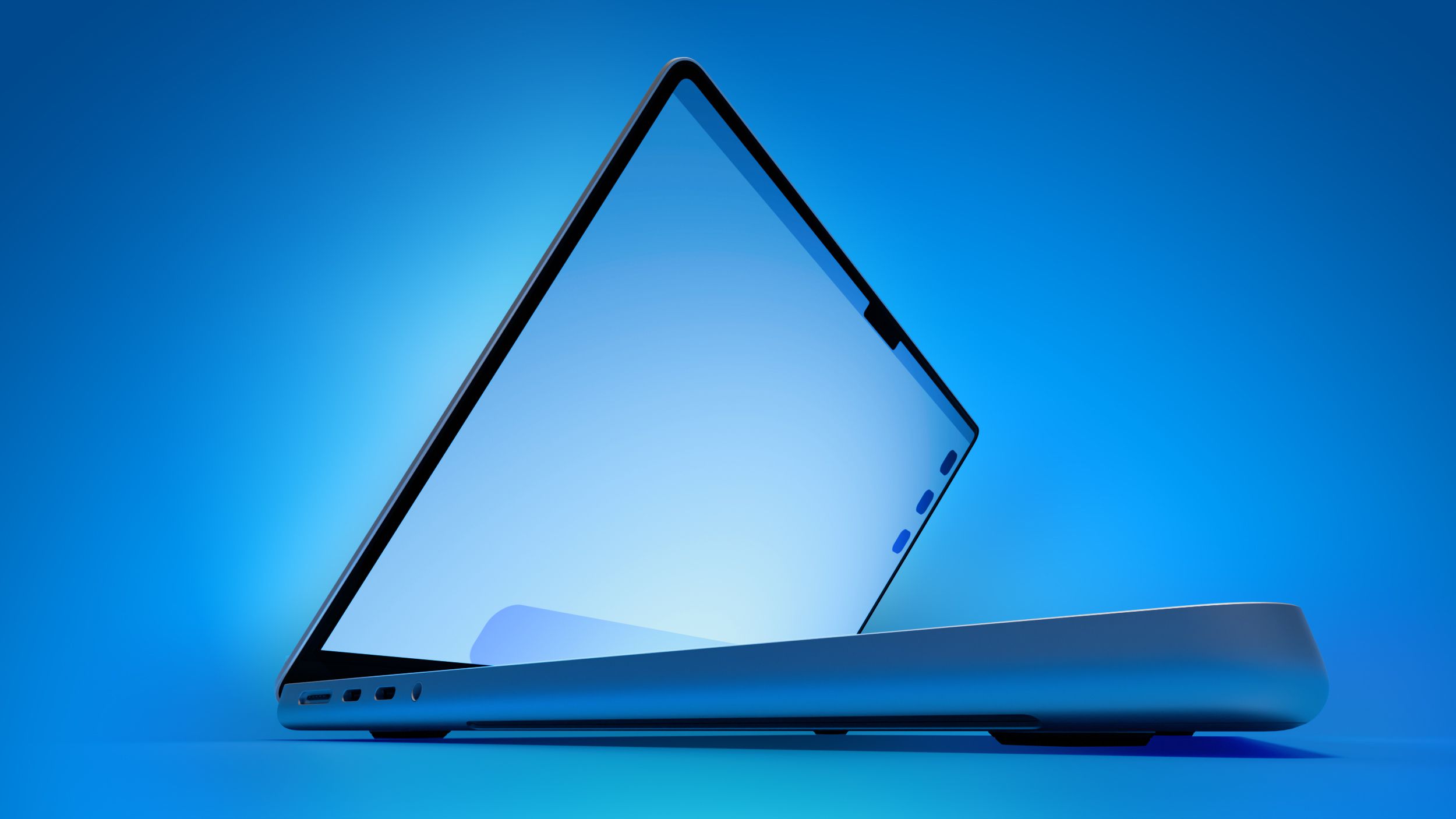
Here’s a twist: a prominent leaker going by “Instant Digital” has suggested Apple’s internal engineering could make this foldable the easiest-to-repair device in the category. That’s not small praise. The claim centers on a stacked, modular internals layout — motherboard concentrated on one side, fewer ribbon cables threading across the hinge and display, and large swaths of internal space devoted to display and battery. Less cable spaghetti and more modular components mean teardown videos could show a phone that’s much less adhesive-and-obscure-screw driven than recent foldables.
Why that would matter: repairability is finally becoming a design constraint, not just a PR checkbox. Component access affects warranty repairs, independent shops, and — crucially — how much of the device can actually be salvaged instead of tossed. Still, good mechanical design doesn’t solve the whole problem: parts availability, pricing, and authorized-repair ecosystems decide whether repairability translates into real-world longevity.
If you’re thinking about the screen crease or durability, Apple’s ongoing work on adhesives, engineered glass, and hinge engineering remains central. There’s a whole conversation about hi‑tech glue and crease mitigation that ties directly into whether an Apple foldable can look and feel premium after months of use (/news/iphone-fold-crease-hi-tech-glue).
Could this be the BlackBerry 2.0 — but touch?
There’s a charmingly old-school angle to the iPhone Ultra’s folded shape: it could be the best thumb-typing iPhone ever. Wider bodies make thumb reach more natural, which resurrects the productivity argument once dominated by physical‑keyboard phones. Writers who spent time with dummy units likened the folded form to a modern BlackBerry in spirit — compact for messaging, wide enough for comfortable two‑thumb typing, and quick to flip open when you need a bigger canvas.
That dual personality — pocket-ready communicator versus small tablet — is arguably the device’s core selling point. Apple may be betting that many customers will use it in both states, not just expand occasionally for media or multitasking.
Hinge, cameras, and the ergonomics puzzle
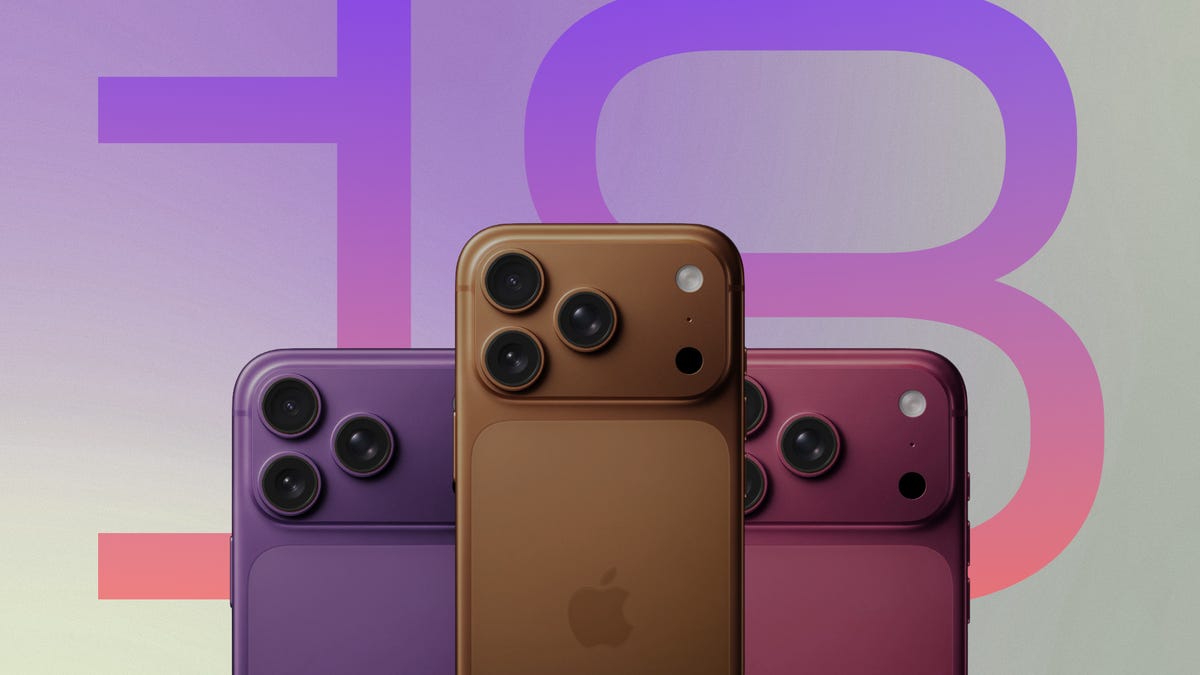
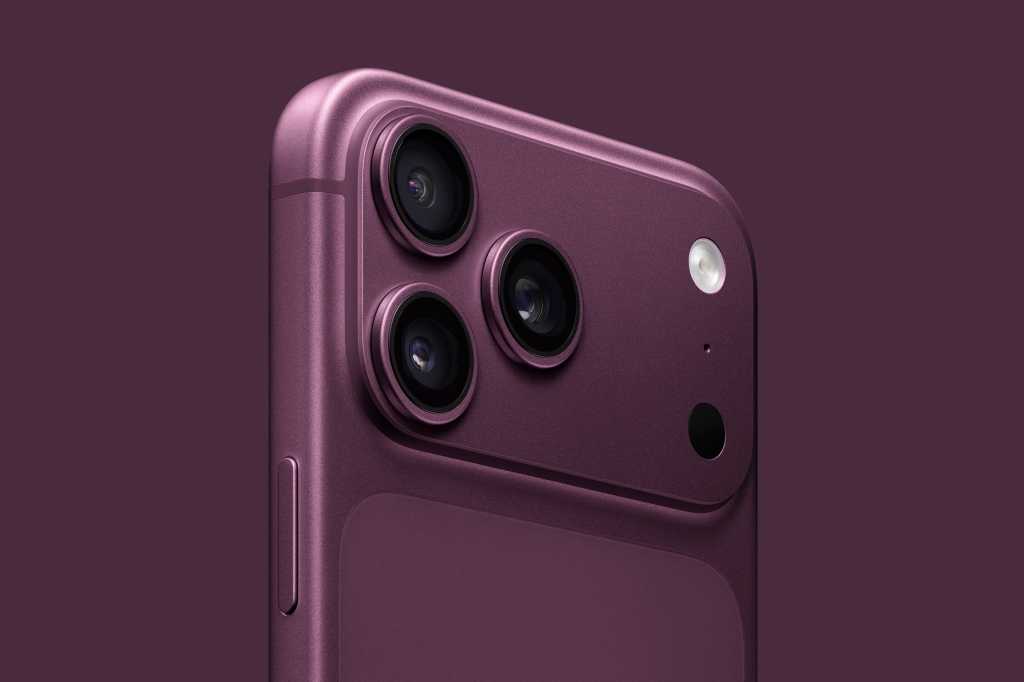
Little things complicate the idea of a sleek foldable. Dummy footage shows a rather prominent camera plateau: massive enough to change how the phone sits on a table and how cases must be designed. And the hinge, as ever, is make-or-break. Apple’s reputation rests on turning fiddly mechanical systems into reliable, elegant experiences; if the company can master a crease‑resistant hinge and integrate a long battery (leaks talk of the biggest iPhone battery yet), it will have solved two big practical problems.
But every win invites a question: price. Early reports peg the iPhone Ultra around the $2,000 mark, and Apple’s history of premium pricing combined with new supply-chain costs for foldable displays makes that believable. Add eSIM-only hints and high-end silicon (rumored A20 and C2 modem), and this looks like a halo product more than a mass-market replacement for your existing iPhone.
What’s still cloudy
A healthy dose of skepticism is warranted. Dummy units are helpful for size and ergonomics, but they’re not the finished product. Manufacturing foldable displays at scale without unacceptable creasing, ensuring hinge longevity, and delivering repairable hardware with accessible parts are all different engineering beasts. Even if teardown-friendly design exists on paper, Apple also controls repair channels tightly — which affects how “repairable” the device will be for ordinary owners.
We’re also watching how Apple positions the software. If the company truly wants an iPad-like workflow, the OS and third-party apps must be ready to run well on that internal display — something Apple has been iterating toward in recent updates.
If nothing else, the iPhone Ultra is already asking the industry a less obvious question: what happens when the smartphone becomes a pocketable tablet first, and a phone second? When that pivot is deliberate rather than opportunistic, design decisions — from button placement and camera bumps to internal modularity — start to make a lot more sense. Whether Apple pulls it off will depend on hinge magic, software thoughtfulness, and the messy economics of parts and price. But for the moment, the idea of a tiny iPad you can actually call from is thrilling enough to keep the rumor mill spinning.