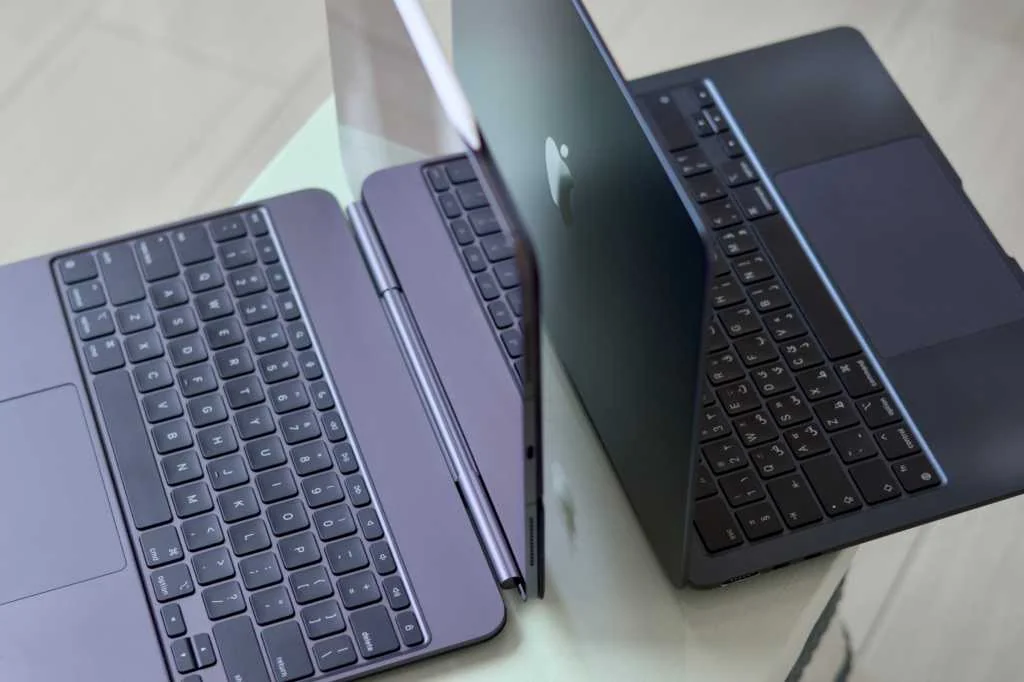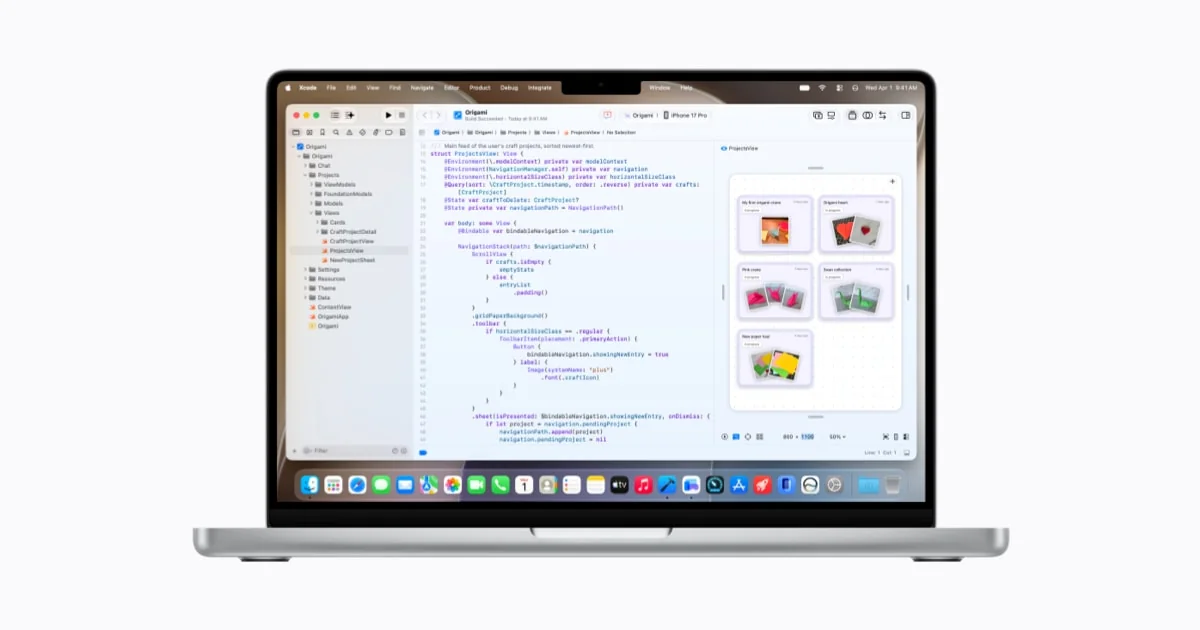
Apple's new MacBook Neo is a jolt to the laptop market: a bona fide Mac for $599 that borrows an iPhone brain and most of Apple’s premium finish while trading away a handful of niceties. It looks and feels like a smaller MacBook Air, but its psychology — and its price — make it a very different proposition.
A surprising recipe: phone silicon in a laptop
At the Neo’s heart is the A18 Pro system-on-chip (the same family that powers recent iPhones). Paired with 8GB of RAM and either 256GB or 512GB of storage, the 13‑inch Neo (2408×1506 Liquid Retina) delivers snappy single‑thread performance that sails through everyday tasks — web browsing, document work, light photo editing and casual video trims — and manages roughly a workday and beyond on a charge. Reviewers clocked average real‑world battery life in the neighborhood of 11–13 hours depending on usage.
Apple trimmed things where it counted to hit the price: the Neo uses a mechanical clickpad rather than the haptic Force Touch trackpad, lacks backlit keys on the base model, drops Thunderbolt and fast charging, offers only two USB‑C ports (one at USB3 speeds, the other limited to USB2), and omits M‑series chips and some Mac niceties like True Tone. Touch ID is reserved for the higher‑storage SKU. Performance is impressive for its target audience, but the hardware limits become visible if you try to push the Neo into heavy multicore or memory‑hungry workflows.
Build, input and webcam — the feel of a Mac, for less
Where Apple wanted the Neo to feel like a Mac, it mostly succeeds. The aluminum body, excellent keyboard feel and a very good 1080p webcam and mic array make it feel premium in daily use. The screen is bright and crisp (about 500 nits max), though marginally smaller than the 13.6in Air and lacking some features like Centre Stage and True Tone. The trackpad, while mechanical, was widely judged as the best mechanical pad the reviewers had used — just not the silky haptic click current MacBooks ship with.
Sustainability and serviceability received mixed marks: Apple reports recycled‑material content in the Neo, it has a replaceable battery option, and the repair site scores are middling (iFixit gave it about a 6/10). Not everyone is pleased: the CEO of modular‑laptop maker Framework publicly criticized Apple’s approach, invoking the phrase “A computer should be yours” and arguing that design choices still steer users away from repairability and upgradeability — a tension between polished industrial design and user repair rights that won't go away.
Who the Neo is for (and who should look elsewhere)
If you want a genuine Mac experience at a fraction of previous entry‑level prices — especially students, parents buying for school, or users who mainly use browsers and office apps — the Neo is a breakthrough. It’s a smarter choice than many budget Windows laptops and a direct challenge to higher‑end Chromebooks.
If you work with large RAW photo libraries, heavy video exports, local AI model training, or need multiple external displays at high resolutions, the Neo isn’t the right pick. For sustained pro workloads, Apple’s M5 machines (Air or Pro) remain the more future‑proof route.
The market ripple: Chromebooks and Google take note
The Neo’s aggressive pricing and strong early reviews have already started conversations in the wider PC world. Analysts and industry writers point out that Apple essentially validated the mid‑range premium‑feel device: a build‑quality, screen and software experience at a Chromebook‑adjacent price. That puts pressure on Google and OEMs who have been betting on the Chromebook Plus and upcoming Android‑on‑desktop efforts — dubbed internally by some as “Project Aluminium” — to deliver not just specs but a cohesive, premium-feeling ecosystem if they want buyers to choose alternatives.
Small laptop, big fixes: accessories that matter
Apple’s price cuts leave obvious gaps that are easy to patch with a few inexpensive accessories:
- An external SSD for extra space and faster on‑demand storage. Many users opt for compact NVMe enclosures and drives to offload photos and video projects.
- A USB‑C hub (or dock) to reclaim ports, add HDMI output and more USB‑A/USB‑C connectors for peripherals.
- A USB‑C monitor if you want more desktop real estate — the Neo can drive a single 4K display at 60Hz, so a good 1440p or 4K monitor is a sensible companion.
- A high‑capacity USB‑C power bank for long days away from an outlet; the Neo doesn’t support Apple’s fastest charging and can take over two hours to fill with a standard adapter.
These are practical steps that turn the Neo from an excellent carry‑around into a capable home office node.
Why this matters beyond specs
The Neo isn’t just another low‑cost laptop. It’s evidence that Apple believes there’s a big segment of customers who want the Apple ecosystem — hardware, macOS apps, and long software support — without paying the old premium. That has strategic consequences: it narrows the gap between entry devices and the flagship line, shifts expectations around what “cheap” can look like, and forces competitors to choose whether they compete on price, features, or an alternative software experience.
If you like the idea of a Mac that slips under $600 without feeling cheap, the Neo is a rare balancing act. If you prize repairability, modularity or maximum expandability, it's still OK to be picky: alternatives exist and, for some buyers, remain the smarter long‑term bet.
For a lighter, cultural aside: Apple has also leaned into small marketing flourishes around the Neo — even little mascots and visual riffs — that help the product land emotionally with younger buyers. That kind of charm matters when the specs are close and the badge on the lid is what many buyers ultimately care about. See how that personality is showing up in Apple's small touches in the coverage of Apple's little Finder Guy, and remember how the MacBook Air era reshaped buying patterns as discounts and new models reshuffled what people expect at each price point from the MacBook Air era spring discounts.
The Neo is a clear statement: the Mac family now includes an entry point that will change conversations — in dorm rooms, households and corporate procurement lists — about what a good laptop should cost and how much compromise is acceptable.