Ask yourself this: do you want the newest iPhone chip and plenty of storage, or do you want a more capable camera and a smoother, brighter screen? Apple’s iPhone 17e answers the first part aggressively — and it does so at a tempting $599 starting price — but the rest of the smartphone market (including Apple’s own back catalog) complicates the decision.
What the 17e brings to the table
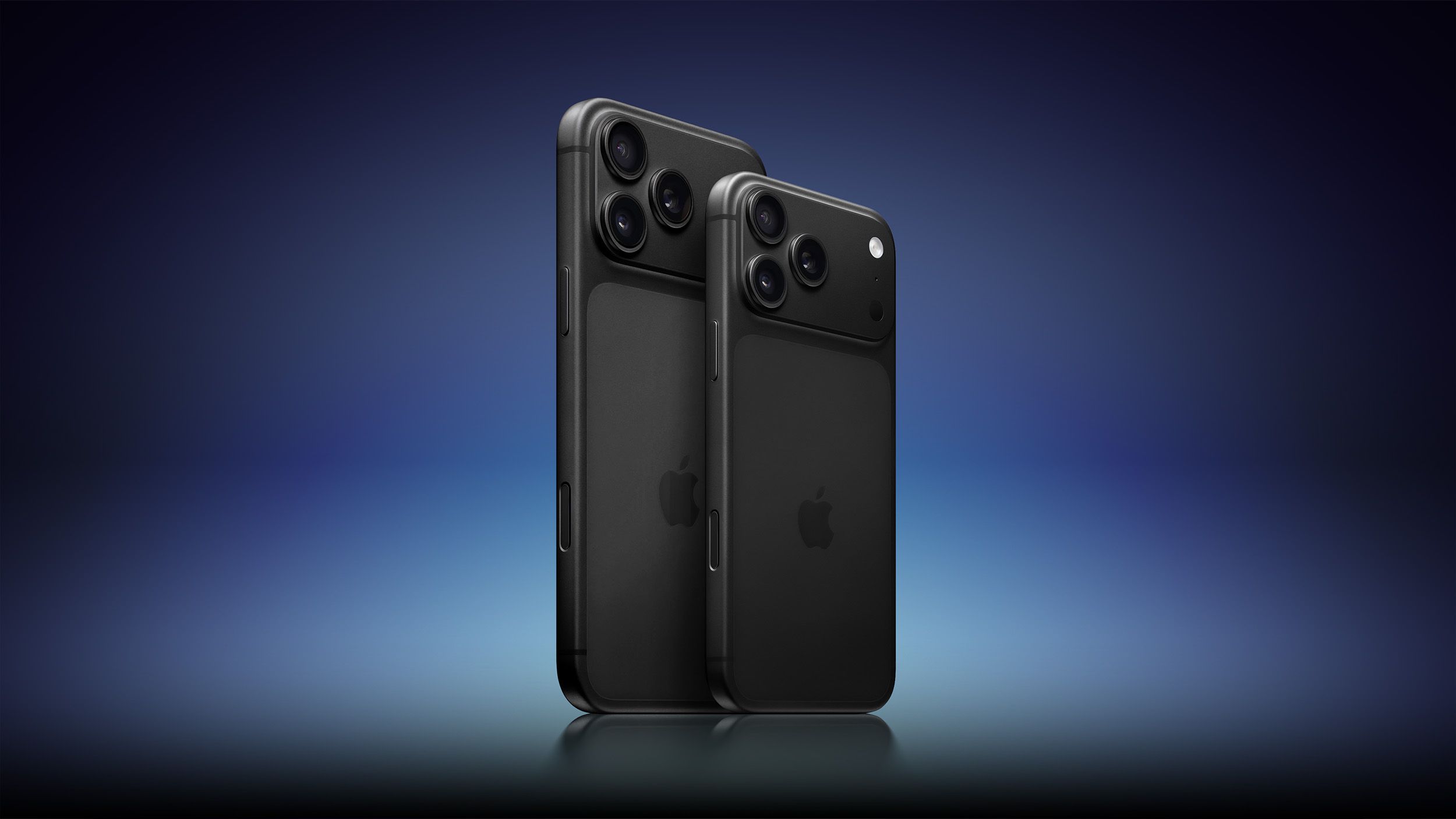
Apple designed the 17e as a value-first iPhone. It packs the A19 chip — the same brain as the standard iPhone 17 — and ships with a higher baseline of storage (256GB) that should make casual photographers and app hoarders happy. Performance is solid: real-world use feels snappy and future-proofed compared with many budget Androids.
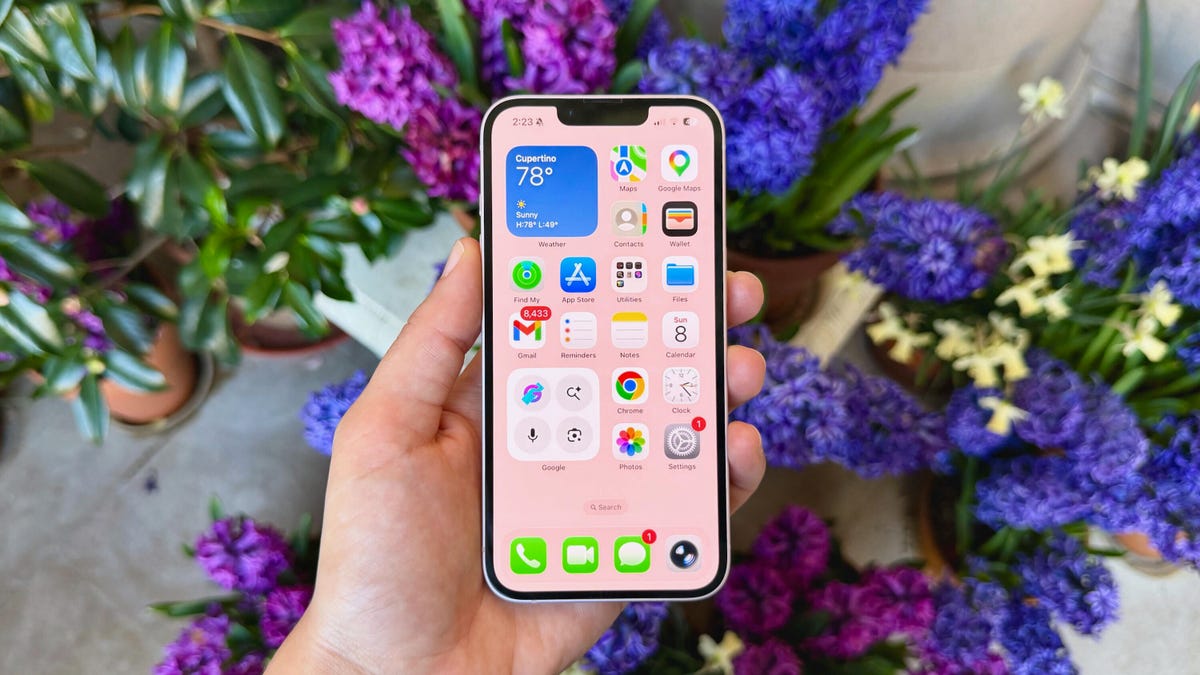
Where Apple cut corners is explicit and predictable: a 6.1-inch 60Hz OLED with a notch (no Dynamic Island), a single rear camera (the capable 48MP main sensor but no ultrawide), and more modest wireless and modem hardware (Apple’s C1X modem rather than Qualcomm’s top-tier X-series). Battery life and charging are respectable — Apple quotes around a day-plus of use — and MagSafe makes a return for accessories and chargers. If you want a straightforward, compact iPhone with modern silicon and big storage, the 17e nails that brief.
Why the iPhone 17 is still tempting
For about $200 more, the iPhone 17 is a very different handset in everyday experience. You get a 6.3-inch ProMotion display with adaptive 120Hz refresh and Always‑On, the Dynamic Island, a significantly brighter outdoor peak (huge if you live where sun glare is an issue), superior ultrawide imaging, and richer selfie/video features. The 17 also adds advanced connectivity like mmWave 5G, Wi‑Fi 7 on some models, and Ultra Wideband for Precision Finding — features that matter if you want longevity and flexibility.
MacRumors’ side‑by‑side breakdown highlights just how many quality‑of‑life upgrades are folded into that $200 difference: smoother visuals, better cameras, more advanced wireless components, and more hours of battery life.
Don’t forget the iPhones you can buy for roughly the same cash
Here’s the wrinkle: if your budget is around $600, you don’t have to limit yourself to a new 17e. The iPhone 15 and iPhone 16 are still for sale in many channels and often appear at discounts or as certified refurbished units. Both older models include a 48MP main sensor plus a 12MP ultrawide, delivering photo and video versatility the 17e lacks. You can also find used iPhone 15 Pro units on the secondary market — sometimes for prices that make them irresistible compared with the 17e, especially if you want multiple lenses.
CNET’s coverage makes a practical point: a discounted or refurbished 15/16 can beat the 17e for camera chops and features like Cinematic or Action mode. The tradeoff is losing some of Apple’s newest software-first perks centered around Apple Intelligence — though Apple’s broader AI plans (including a standalone Siri app and other Apple Intelligence upgrades) are still unfolding, so the practical gap there is mixed for now. For more on Apple’s evolving AI strategy, see Apple’s upcoming Siri and business moves in our coverage of Apple to Ship a Standalone Siri App and New Business Hub.
If you’re considering Android: Pixel 10a vs 17e
Google’s Pixel 10a is a deliberate counterpunch to midrange iPhones. It’s cheaper ($499), includes a 120Hz display and an ultrawide lens, and packs Google’s latest Pixel software and AI features (Gemini integration, Camera Coach, Auto Best Take). The Pixel’s screen brightness and fluidity can feel class-leading for the money, and for photography versatility the 10a’s extra lens matters.
Where the Pixel trails: less base storage (128GB on the $499 model), a weaker chipset in benchmarks, and no native MagSafe-style magnetic accessory system (Pixelsnap is absent on the 10a). If you care about raw performance and Apple’s ecosystem conveniences — especially MagSafe and long-term OS support — the 17e has clear advantages. For AI tools and ultrawide shots on a tighter budget, the Pixel 10a is persuasive.
Picking through real tradeoffs
Think about three quick questions before you buy:
- Do you prioritize camera versatility (ultrawide/telephoto) or peak raw performance and storage? If the former, look at older iPhones or the Pixel 10a; if the latter, the 17e is compelling.
- How much does display fluidity and outdoor visibility matter? ProMotion and high outdoor nits on the iPhone 17 (or a Pixel’s 120Hz panel) feel noticeably better for scrolling and sunlit use.
- Are you buying new for warranty and longevity, or are you comfortable with refurbished/used to get more features for your money? Refurbs can be a smart way to get a step-up camera system without paying flagship prices — but watch battery health and return policies closely.
Apple appears to be intentionally stretching its lineup to cover both value and aspirational buyers — a strategy we’ve seen before in other product families, like the MacBook Neo move into midrange pricing — and that dynamic makes these choices less binary than they used to be. For context on Apple’s broader price‑tier strategy, see our note about the MacBook Neo and Apple’s budget gambits.
If you want a tidy rule of thumb: buy the 17e if you want a compact, speedy iPhone with a lot of storage and brand‑new hardware at $599. Spend the extra $200 on the iPhone 17 if you want a noticeably better screen and camera toolkit that will feel fresher for years. Otherwise, don’t ignore refurbished or lightly used 15/16 models — they may offer the best balance of features for the money.