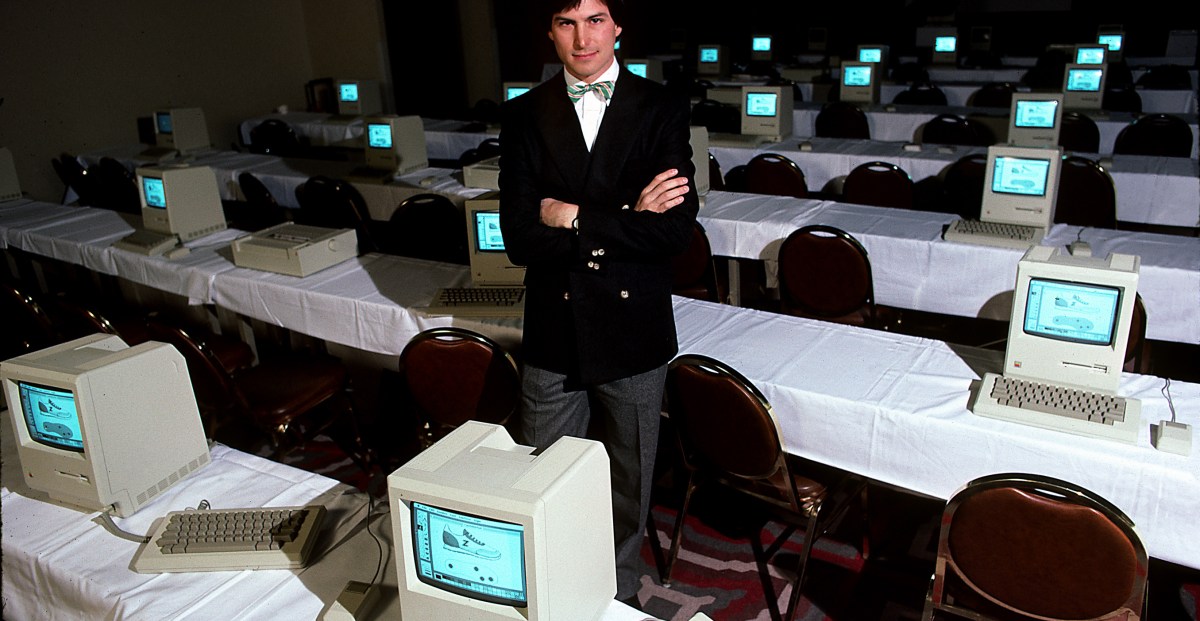
In 1976 a 14-year-old named Chris Espinosa rode his moped a mile and a half every Wednesday to show off an early Apple computer. He kept showing up, decade after decade, and is still there today. That arc — from a bedroom project to a trillion-dollar force that reshaped how people work, listen to music and carry their lives in a pocket — is the story Apple marks on its 50th birthday.
A surprise that grew into everything
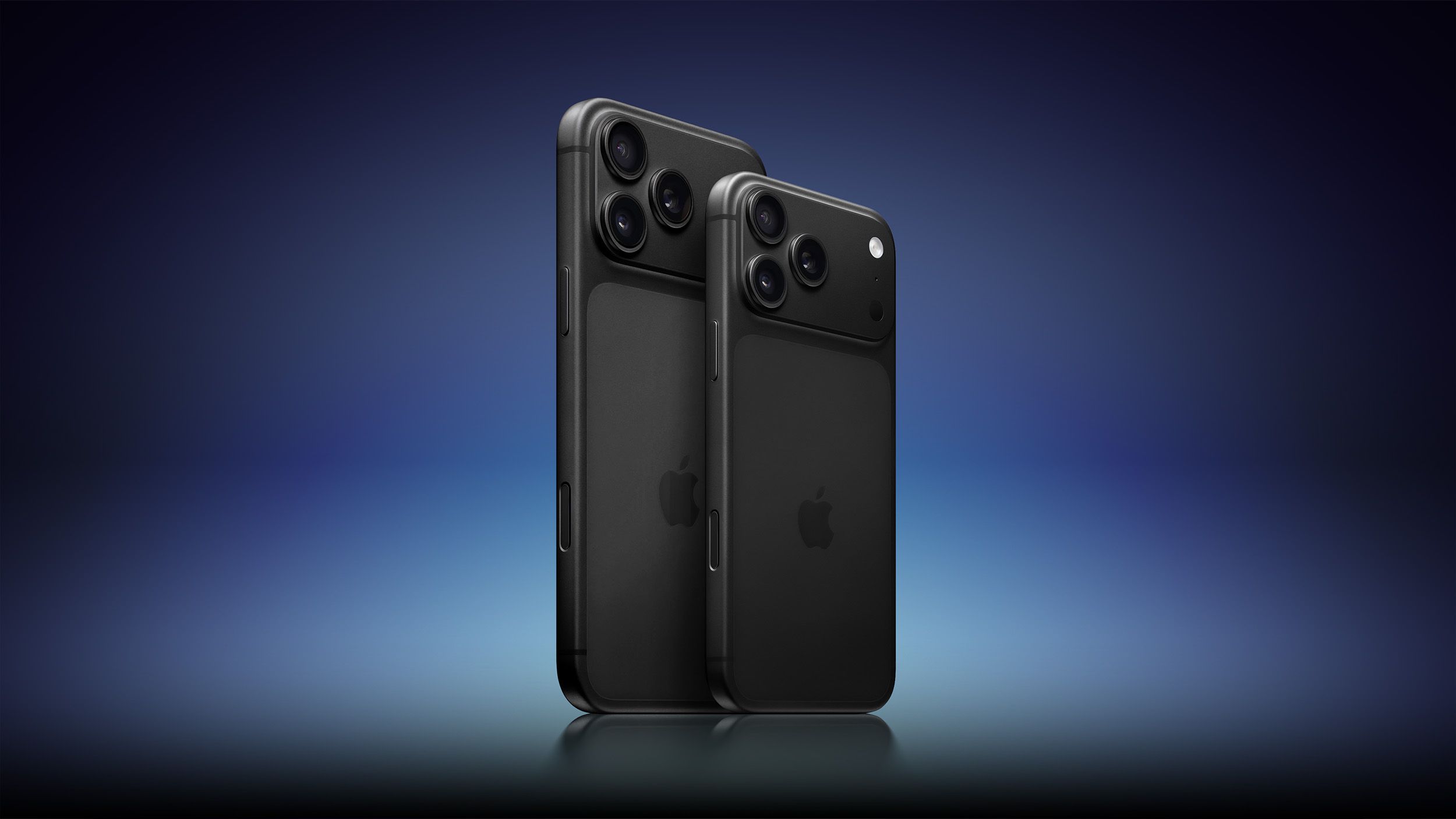
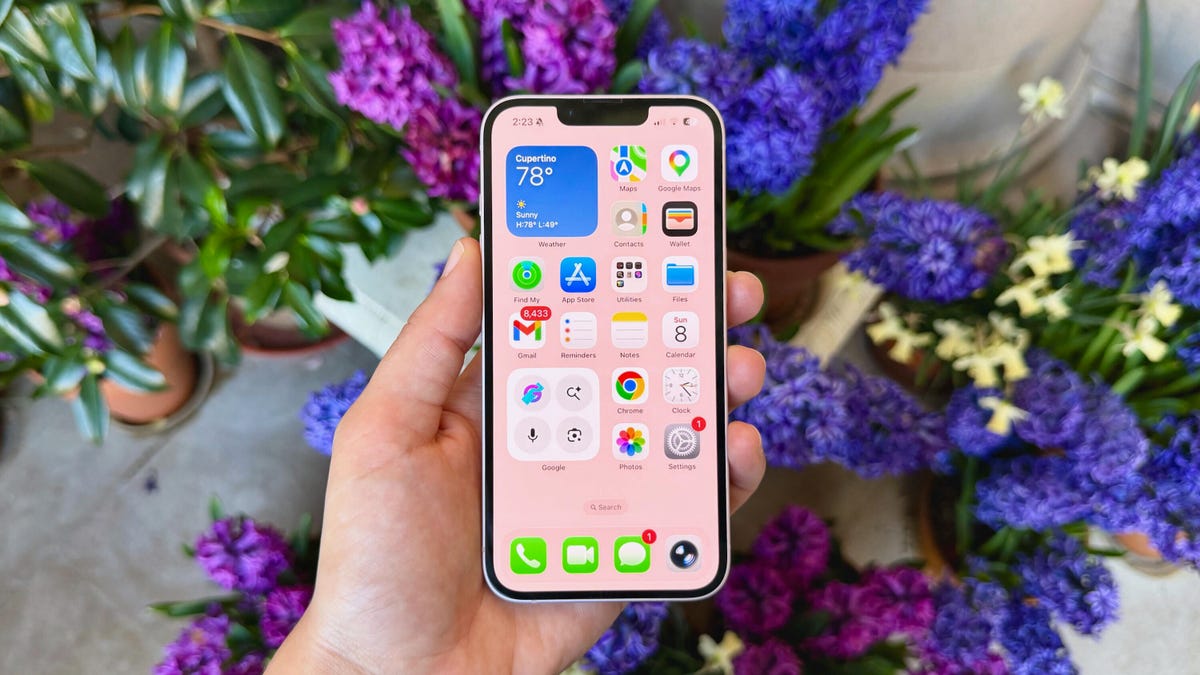
It’s easy to forget that the iPhone, the device that now defines Apple, began as an answer to an internal worry: would portable music players make the iPod obsolete? Engineers who helped build the iPhone say the company set out to cannibalize its own success. The iPod, which by 2004 was outselling Macs and growing at blistering rates, taught Apple how to move fast in consumer electronics — but it also forced a hard question: what do people want to carry?
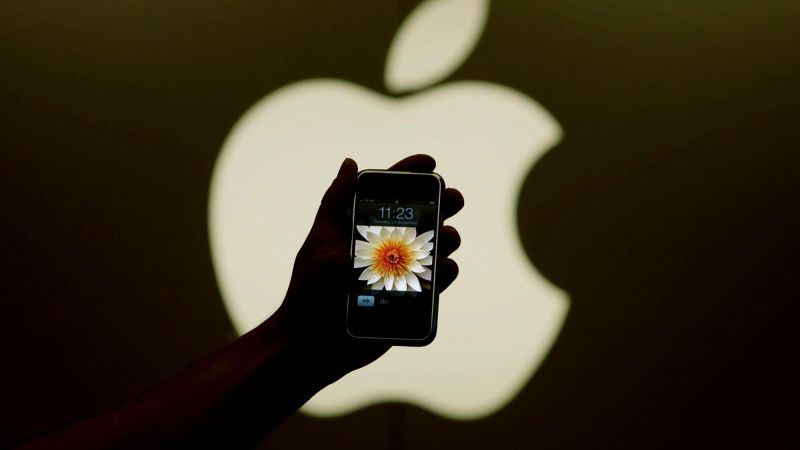
The answer wasn’t obvious. Early prototypes looked like iPods that could make calls. Touch screens existed, but Apple strained to make them feel right — refining lamination, moisture rejection and software gestures until a touchscreen could replace physical buttons. Engineers pulled long hours; some slept under desks. When the first iPhone shipped in 2007 at roughly a $500 price, even people inside Apple expected it to be a niche luxury. Instead it became the platform for a new ecosystem: the Watch, AirPods and services that depend on a phone at their center.
From hand-built boards to a global supply chain
Apple’s rise has been a study in reinvention. The company that dropped “Computer” from its name in 2007 now has more than 2.5 billion active devices in the world. Its market heft — roughly a $4 trillion valuation and tens of billions in annual profit — masks a half-century of fits and starts: layoffs, leadership dramas, near-bankruptcy and a dramatic comeback after Steve Jobs returned in the late 1990s.
People who were there at the start offer the most immediate view of that change. Espinosa, employee No. 8, remembers assembling machines by hand in Jobs’s childhood home and later writing the Apple II user manual. The personal rewards for sticking around are stark too: small grants of shares given to early employees have turned into life-altering wealth for some.
Memory, museums and how we tell the story
Not everything about Apple’s history lives in its headquarters. Museums and private collectors have been cataloging the arc: an Atlanta exhibit opening on Apple’s birthday displays nearly 2,000 artifacts from the company’s past, from early circuit boards and yearbooks to a wall of iPods — a nostalgic reminder that many people’s first Apple device was a music player.
Such collections do more than lure visitors; they try to connect invention to inspiration. The Mimms Museum founders say they want people to leave thinking, “I’ve had an idea; I want to go build it.” In that spirit, exhibits layer youthful tinkering next to the industrial-scale logistics Apple now runs.
A mature company facing new questions
Fifty years in, Apple is no longer just a design house; it is a geopolitical and regulatory actor that must juggle tariffs, antitrust scrutiny and supply-chain shocks. Its most defining product, the iPhone, is approaching two decades of refinement rather than reinvention, and critics — and some former insiders — say Apple now faces another existential fork: artificial intelligence.
Executives and engineers alike have signaled that AI is the next big challenge and opportunity. Apple has been framed by some observers as playing catch-up with firms like Google and the new generation of AI startups; at the same time it is crafting its own approaches to on-device and cloud-powered models. That tension — protect user privacy while competing in a compute-and-data race — will help determine whether the next 50 years look like another golden run or a slower, harder slog.
If you want a compact take on those strategic choices — design, ecosystem and the AI crossroads — there’s more context in a piece that maps where Apple stands as products converge with machine intelligence Fifty Years of Apple: Design, Ecosystems, and an AI Crossroads.
Small scenes, big signals
There are charming, human moments threaded through the corporate story: the click wheel that didn’t work for texting in early prototypes, engineers surprised at how big the phone would become, and the sight of a teenager unable to start their day without swiping a screen. Apple’s anniversary also comes with a quieter theatricality — a hush‑hush finale at Apple Park and symbolic gestures that nod to culture as well as commerce Inside Apple's 50th: A hush‑hush finale at Apple Park and a Beatles-sized hint.
None of those scenes erase the harder bits: questions from regulators, the need to keep hardware margins healthy, and the pressure to deliver genuinely new categories of devices. Still, the through line is persistent: a company that began as a few people with soldering irons and big ideas has built a durable set of habits — design discipline, control of the stack and a retail footprint — that few rivals can match.
Whether the next chapters are written in silicon, sensors, or software agents, Apple’s story will keep being about people: the tinkerers who show up on mopeds, the engineers who sleep under desks, and the millions who carry a little rectangle that connects them to the world. For anyone curious about where that rectangle might take us next, Apple’s moves on AI — including plans around Siri and services — are worth watching closely Apple to Ship a Standalone Siri App and New Business Hub.
And for now, on its 50th birthday, Apple is at once a case study in cumulative advantage and a reminder that big companies are ultimately collections of small, repeatable choices. Some of those choices were brilliant; some were risky; all of them mattered. Espinosa still shows up. So do the gadgets — lined up, shelved and on display — waiting for the next person to be inspired.