Who gets invited to the 50th birthday party of one of the world’s most valuable companies? If you work for Apple, the answer might be: maybe you do — but probably not the general public.
Apple’s month-long anniversary festivities, which have included surprise performances and small events around the globe, are set to wrap with a private finale at Apple Park, Bloomberg’s Mark Gurman reported. The kicker: Gurman hinted that a legendary guest will headline the employee-only affair. His clue — part nostalgia, part wink — pointed toward Paul McCartney. "Let me just say he's still going strong, was part of the British Invasion and [Steve] Jobs would've been ecstatic," Gurman wrote.
A quiet curtain call at the spaceship
The last public sign that something was up came in the form of a truncated afternoon: the Apple Park Visitor Center is scheduled to close early at 3 p.m. Pacific Time on Tuesday, March 31, a small but telling operational change spotted by MacRumors. Insiders and bulletin-board chatter suggest the event will be limited to corporate employees and invitees; it won’t be an open‑to‑the-public street fair.
Apple turns 50 on April 1, 1976 — a date the company has leaned into while orchestrating celebrations. But this isn’t just birthday confetti. The choice of a storied performer for an internal concert would fit a pattern: in recent weeks Apple has quietly staged performances and cultural moments tied to its anniversary and to Apple Music, while shipping software updates that spotlight music and curated experiences. Apple’s latest iOS updates have explicit music-friendly features — from concert‑style playlist tools to new audio experiences — which help explain why the company has folded live performances into its 50th activities. See more about Apple Music-centric features in the iOS 26.4 notes about concerts and playlist changes and the broader update rollouts that bundled security and AI playlists.
Why a Beatles‑era star would matter
It’s not just the name recognition. A figure like Paul McCartney — if the rumor proves true — represents a direct line to the cultural moment that shaped Apple’s early years: the late 1960s and early 1970s, when bold design and pop culture helped define consumer tech’s potential. More plainly, booking a legendary musician for an employee event says something about the tone Apple’s leadership wanted for the milestone — celebratory, theatrical, a little glamorous.
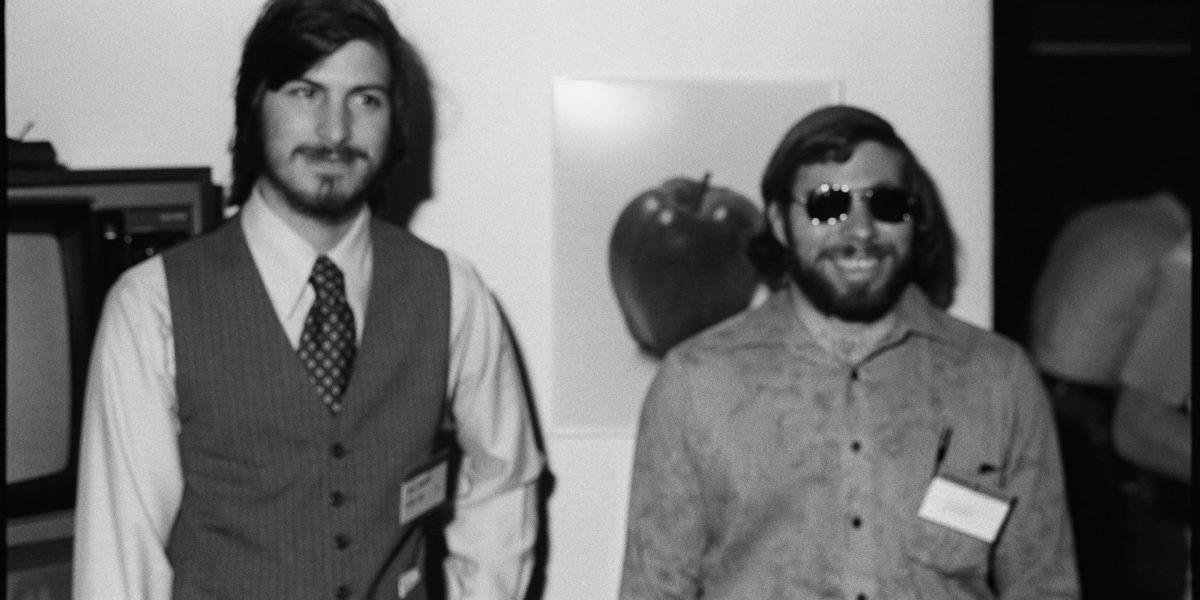
Apple’s rise from a garage partnership to a multitrillion-dollar company is the other half of the picture. As Fortune’s archival pieces remind us, the company began when Steve Jobs, Steve Wozniak and Ronald Wayne formed a partnership on April 1, 1976. What followed — from risky early financing to the IPO that turned founders into paper multimillionaires — is a story about engineering, timing and the financial ecosystem that backed unusual bets. That long arc helps explain why Apple treats a 50th birthday like a moment to stage cultural gestures as much as corporate rhetoric.
Who’s invited — and who’s not?
Details on guest lists remain fuzzy. Gurman and other observers say the event will likely be restricted to corporate employees and select invitees; it’s unclear how many retail or field staff will be included. That exclusivity has provoked the predictable mix of excitement and grumbling among staff forums: some retail employees report being randomly invited to regional campus gatherings, while others say their teams got no invite at all.
From Apple’s perspective, an employee-only finale reduces logistics complexity and security risk — and keeps the vibe intimate. From the outside, it turns the anniversary into something you catch through leaks and closed‑door reports, rather than a public spectacle.
A company that still stages moments
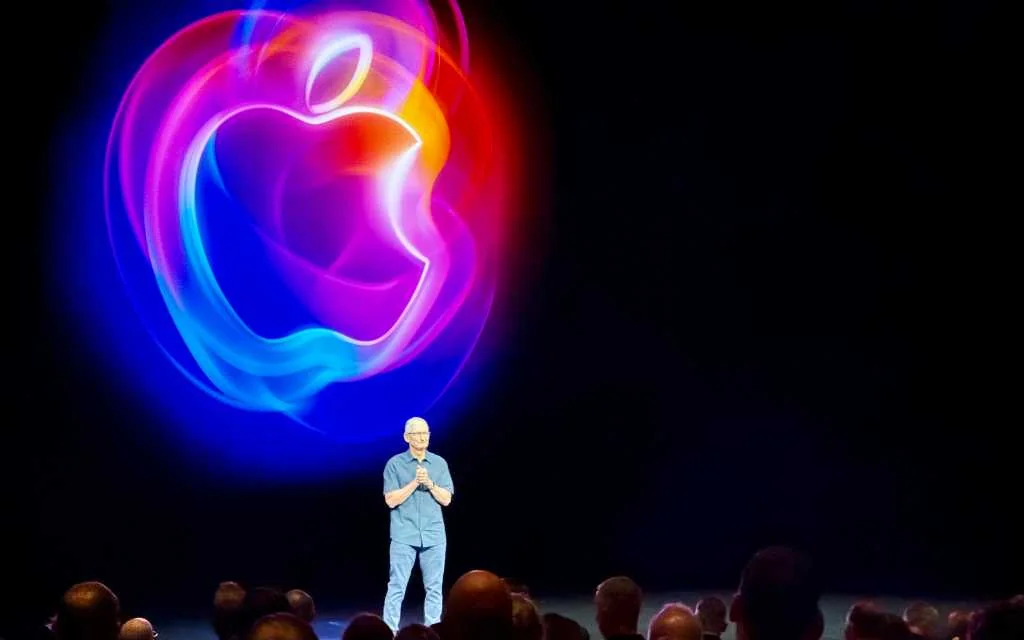
Even at 50, Apple stages moments that look and feel like performances — product launches, keynote theater, and now anniversary concerts. Whether a Beatles-era legend actually takes the stage, the final show will be part nostalgia and part brand choreography: an effort to bind a sprawling global workforce to a shared history.
There’s also a subtle strategic logic. Music and entertainment have become a glossy complement to Apple’s hardware and services; current software releases have leaned into curated listening and shared audio experiences, giving cultural events a clear technical heartbeat. If you’ve been following Apple’s recent software moves and music features, the company’s interest in concert-style celebrations won’t be surprising: those experiences dovetail with the product narrative Apple is amplifying this year.
For employees packing themselves into Apple Park — or watching from nearby campuses — the event is less about market capitalization and more about a moment of communal recognition. A half-century is long enough to prompt a few big gestures. If a Beatle shows up, that gesture will be loud and unmistakable.
(And if you’re wondering what the rest of the 50th looked like: expect more small concerts, pop-ups and internal showcases in museums, campuses and city hubs — a patchwork of events that reads like a tour rather than one single public gala.)