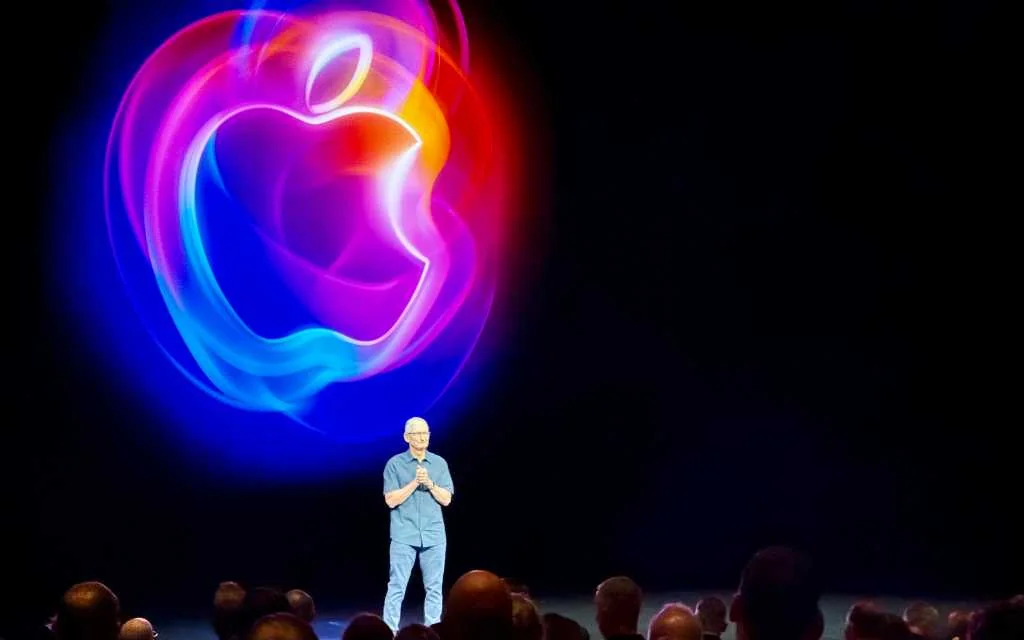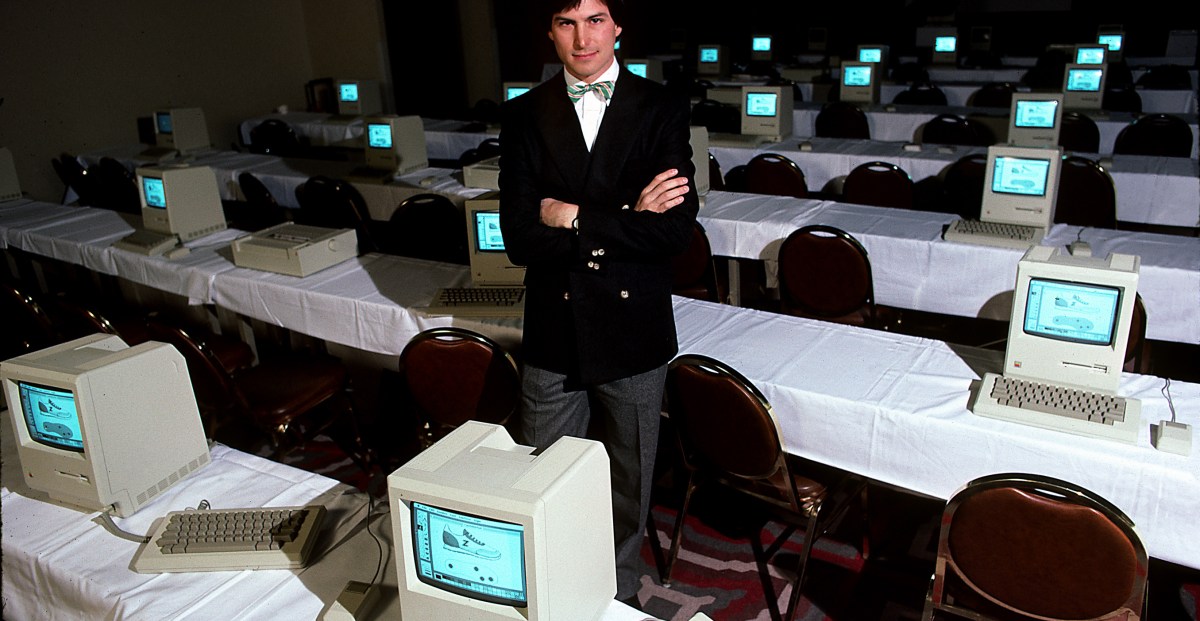
There are photos that make the company’s half-century feel immediate: Bondi Blue iMacs gleaming on desks, Steve Jobs on stage holding the first iPhone, and rivers of people camped outside stores for a product that felt more like a promise than a gadget. And now there’s a museum in the Netherlands collecting that promise into glass cases — from the bare circuit boards of the Apple‑1 to the world‑shifting pocket computer that followed.
Apple’s 50th is part nostalgia, part industrial design retrospective, and — increasingly — a reckoning about what comes next. For decades the company’s story has been tidy: hardware and software designed together, beautiful execution, and an ecosystem that turned products into daily rituals. But as machine learning reshapes interfaces and new challengers sniff around Apple’s talent pool, that tidy story is fraying in interesting ways.
How Apple made consumers care
Historians and business professors point to three industry inventions: the personal computer, the iPod’s reshaping of music, and the iPhone’s reinvention of mobile. That’s not just product talk. It’s user‑formation. Apple taught millions what a computer could be — portable, elegant, intuitive — and then built the infrastructure that made those lessons habitual.
David B. Yoffie at Harvard puts it bluntly: Apple “fundamentally invented three new industries.” Marc Aidinoff adds that Apple created the users for those things. And Jill Avery highlights the alchemy of branding plus design: devices that aren’t just functional but make you feel a certain way. That emotional framing — from the 1984 ad’s anti‑establishment swagger to “Think Different” — turned devices into identity markers.
Retail and services extended that feeling. The Genius Bar wasn’t just repair; it was reassurance. Apple Stores were stages where objects became cultural artifacts. Those moves helped build the walled garden that drives today’s services revenue.
Integration as advantage — and its limits
Ben Thompson’s longform take on Apple’s half‑century emphasizes integration. Hardware, OS, silicon, and developer platform: Apple controlled the stack and, for fifty years, it mostly worked. Integration let Apple deliver performance and polish that competitors chasing modularity struggled to match. That’s why Apple still commands premium pricing and platform loyalty.
But integration is a double‑edged sword. It creates dependency on the smartphone cycle, which has matured worldwide. Growth gets harder when replacement is the main driver of sales. Apple’s play has been to knit services — App Store, iCloud, subscriptions — into that hardware base to keep expanding the business. It’s also why the company now finds itself both a curator and a potential gatekeeper for third‑party AI.
Apple as AI aggregator, not (solely) builder
Apple’s approach to AI has been curious: cautious investment in server farms, heavy bets on on‑device silicon, and a strategy of letting others supply models while Apple ties them into its interface. The company’s plan to open Siri to third‑party chatbot apps is a concrete expression of that strategy — a way to let users summon competing AI engines from within Apple’s experience while Apple retains control of the point of integration. (Apple is preparing a standalone Siri app and new business‑focused features that will let users choose which assistant answers them.)
That move does two things. First, it preserves Apple’s role as aggregator of services: the company can take its customary cut of subscriptions sold through the App Store. Second, it hedges against the risk of being out‑modelled by AI leaders: if OpenAI, Google, Anthropic or others build superior assistants, Apple can plug them into its UI rather than trying to out‑engineer them in the data center.
But there’s a catch. The utility of making Siri a conduit depends on Siri actually being useful and seamless. Apple Intelligence’s early promises exposed that weak point. The value of aggregating AI is limited if the front door — voice, prompt handling, context — is clunky.
Talent, design, and the hardware question
Apple is also guarding against a brain drain. Reports of rare out‑of‑cycle bonuses for iPhone designers show management is trying to stem departures to AI hardware projects at startups. OpenAI and others have made overtures to ex‑Apple design talent; some former staff are helping shape hardware ambitions outside Cupertino.
Why would that worry Apple? Because if the next dominant interface is not a phone but an AI‑first device — or a deeply different form of hardware optimized for conversational AI — the company that perfects that integration could flip the advantage. Apple has options: more openness, better on‑device inference via its chips, or even its own new products. It’s not powerless. But the market is changing.
What the next fifty could look like
So where does Apple go from here? There are several plausible threads:
- Extend integration: make AI tools feel native, reliable, and privacy‑preserving across devices. That’s the conservative route — refine Siri, bake in partner models, and keep the ecosystem tight.
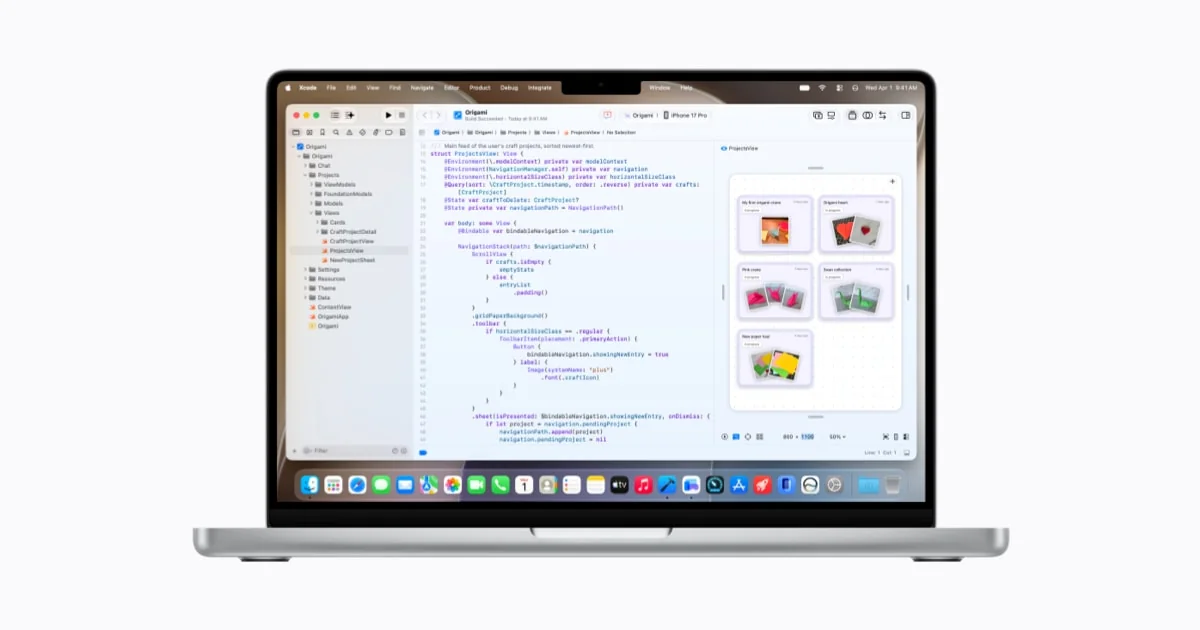
- Expand hardware horizons: keep pushing silicon and form factors (the MacBook Neo is an example of making Macs more accessible) while defending premium margins.
- Embrace modularity where necessary: let best‑in‑class AI services live inside Apple’s interface on fair terms but without sacrificing user experience.
None of these choices is simple. The company that turned devices into cultural touchstones must now shepherd a technology that could make devices less central — or differently central — to how we interact with information.
Fifty years in, Apple’s hallmark remains the same: a belief that design, not just specs, shapes adoption. Whether that belief will be enough in an era where intelligence may rewrite interfaces is the open question. For now, the museums can put the past on display. The future will be decided in labs, on supply lines, and in the quiet negotiations between designers, engineers, and the AI models that increasingly stand between humans and machines.
Further reading on Apple’s AI and products: see coverage of Apple’s plans for a standalone Siri app and business features, Apple's Siri app and AI plans, the low‑cost Mac play with the MacBook Neo and its mascot, and details from inside the company’s 50th‑anniversary events at Apple Park Inside Apple's 50th.