Apple dropped iOS 27 developer betas at WWDC and, buried in the frameworks, the company appears to have done more than announce new features for existing phones: it quietly signaled that a foldable iPhone is no longer just rumor.
Short and odd strings in the code — names like "foldState," "angleDegrees," "mechanicalAngleDegrees" and "isanglevalid" — were spotted by engineers scanning the beta. Those snippets aren’t the sort of placeholders you add for fun. They describe a device that can detect a hinge position and report how open its display is. In plain terms: iOS is being taught to behave differently when a device is folded, half-open, or fully flat.
Why this matters for apps
Apple’s WWDC sessions went beyond simple bug fixes. Engineers urged developers to stop designing for single, fixed screen sizes and instead target a "dynamic range of sizes and aspect ratios." That’s a big pivot: the company unveiled a resizable iOS simulator and Xcode Previews aimed at helping apps reflow across wildly different displays. SwiftUI apps that already follow standard lifecycle patterns will be automatically better positioned for this transition.
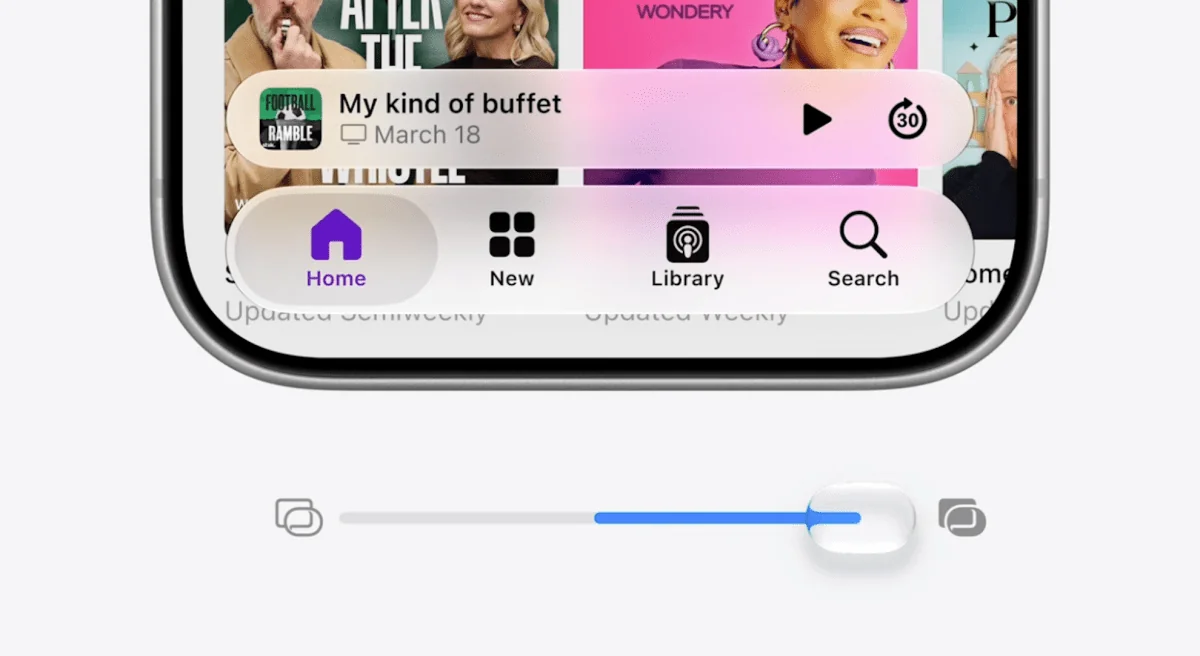
In practice, that means apps will be expected to handle side-by-side multitasking on a larger inner display and to adapt when a user partially folds the device into a laptop-like stance — think Android’s Flex Mode in spirit. Apple also highlighted updates such as full‑screen widgets (which could behave like half-screen widgets on a foldable) and an expanded iPhone Mirroring window that can appear at iPad sizes on a Mac. Those software nudges strongly suggest Apple is aligning iOS with hardware that presents multiple usable states.
Rumors converge on a September reveal
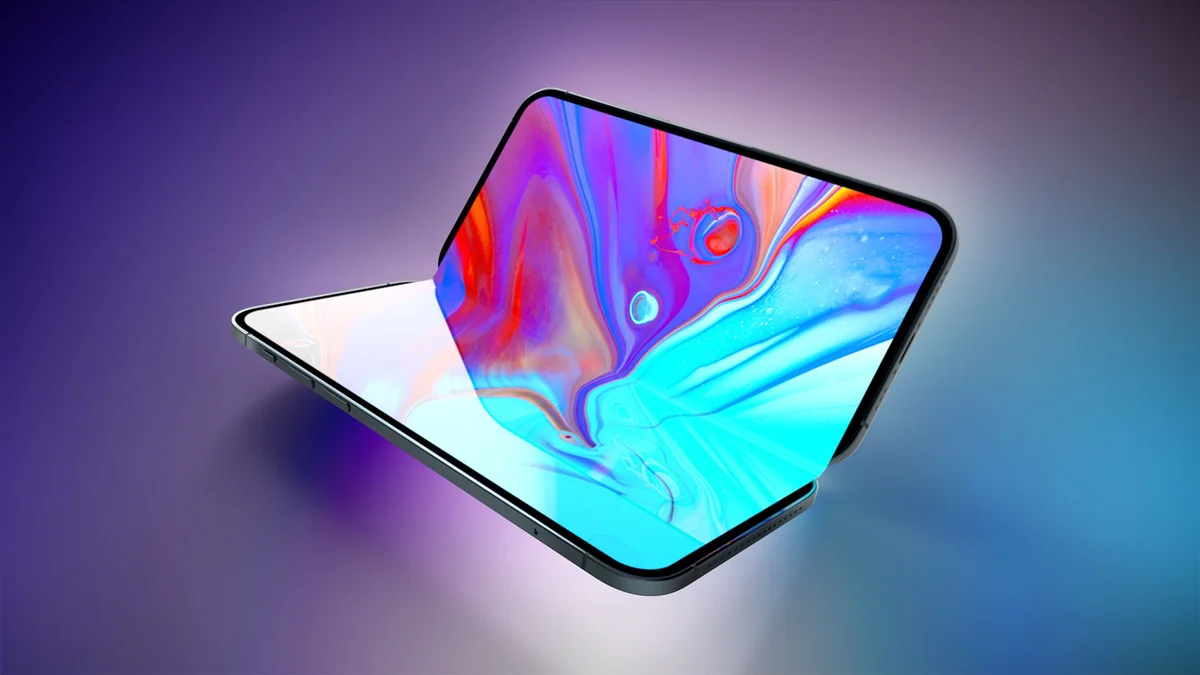
The device most often attached to these hints is the so-called iPhone Ultra. Industry chatter and code sleuthing point to a book-style foldable with roughly a 7.8-inch internal panel and a 5.5-inch cover display. Leaks also credit it with a titanium frame, a Liquid Metal hinge design, Touch ID (instead of Face ID), dual rear cameras, an A20 chip built on a 2nm-like process, and a premium price tag rumored to start north of $2,000.
Multiple sources expect Apple to show the Ultra alongside the iPhone 18 family in September — a launch cadence that matches Apple’s historical iPhone timeline and explains why the company is readying developer tools now.
Hardware headwinds
It won’t be an easy engineering sprint. Trial production reports point to hinge reliability problems — a persistent issue for anyone making a foldable — and leaks of dummy units have offered the clearest look yet at a crease running down the inner display. Whether Apple manages to hide or soften that crease will matter a lot to buyers; there are already efforts in the supply chain and material science world aiming to reduce visible folding artifacts. For a deeper read on how advanced adhesives and engineered glass may address that problem, see this piece on hiding the fold crease how hi‑tech glue and engineered glass might finally hide the iPhone’s crease.
What developers and users should expect
If Apple follows through, the Ultra will be as much a software story as a hardware one. Expect app resizability to become a baseline expectation. The company’s tooling — resizable simulator, coding agents to detect layout issues, and automatic opt-ins for compliant SwiftUI apps — suggests Apple wants the ecosystem ready by day one.
That ecosystem pressure could also shift device design conversations. Apps that already adapt to multiple layouts will look better on a foldable and could become a competitive edge. For readers tracking the broader iPhone roadmap, these developments tie into other 2026 rumors about the iPhone 18 lineup and Apple’s chip plan; see more on the iPhone 18 whispers and the Ultra’s place in that family iPhone 18 rumors: A20 chip and a foldable Ultra.
A device that looks like a small tablet that makes calls
The concept of a pocketable iPad-that-makes-calls has been floated before, but the Ultra rumors consistently return to that image: a device that opens into something nearly as roomy as an iPad while still offering the portability of a phone. That framing helps explain Apple’s software-first cadence — make the apps flexible, then ship the hardware that demands flexibility. For more on why some insiders say the Ultra resembles an iPad in function (and might even be unusually repairable), check this write-up about the design trade-offs iPhone Ultra as an iPad that makes calls.
A quick reality check
Code references and developer guidance are persuasive, but they’re not the same as a shipping product. Apple has repeatedly shifted hardware timetables before; hinges, supply chains, and quality control can all change plans. Still, the combination of specific framework strings plus explicit calls to make apps resizable makes this iteration feel less like hopeful wishcasting and more like coordinated preparation.
If Apple does introduce the Ultra in September, the first meaningful test will be whether apps — and Apple’s own system features like widgets and iPhone Mirroring — actually take advantage of a foldable’s unique states on day one. For now, the Cupertino signal is clear: Apple is building software that expects a phone with moving parts, and that alone reshapes what "iPhone" can mean.