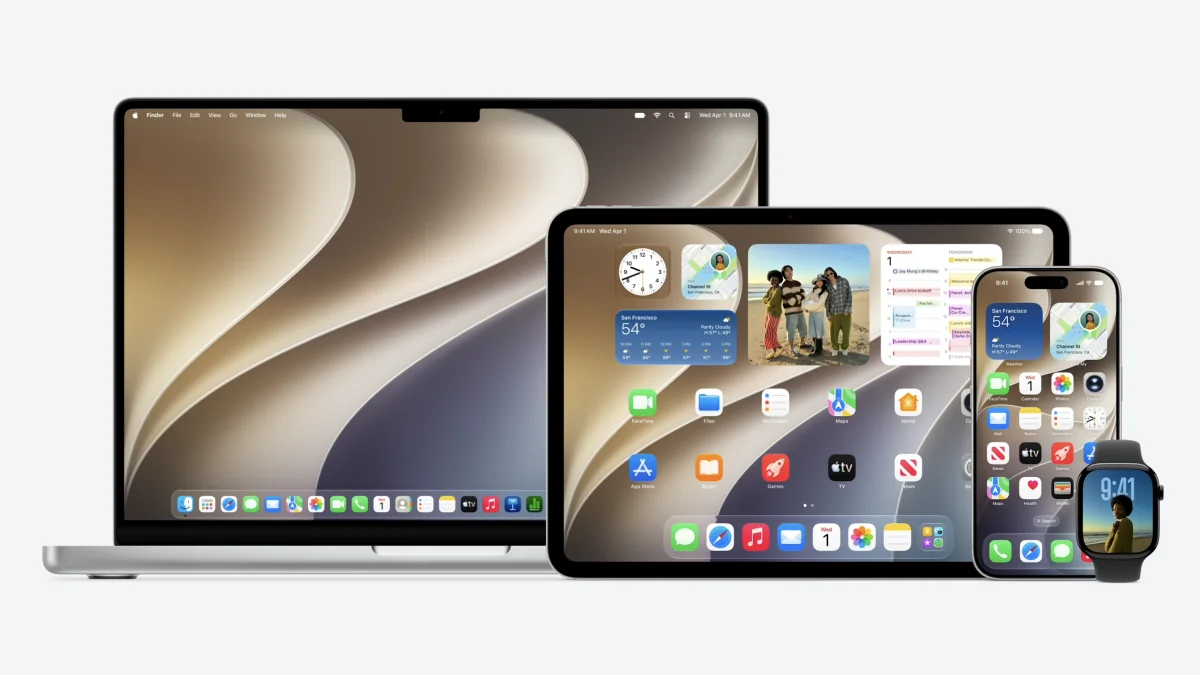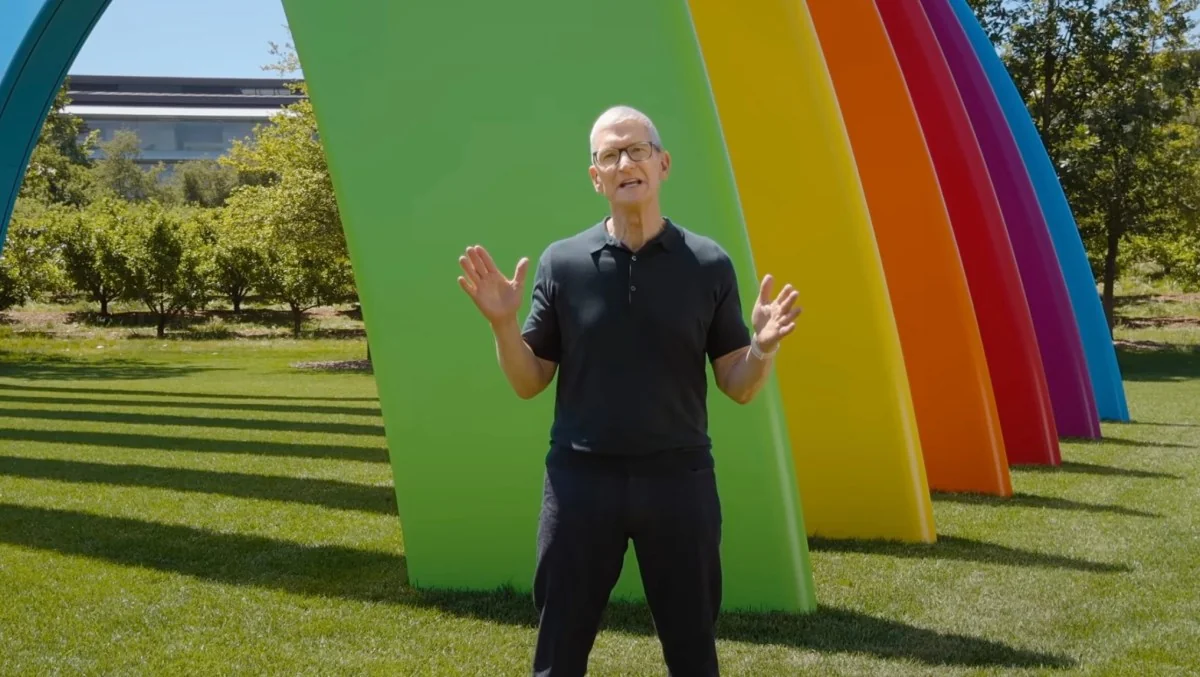
Apple opened WWDC 2026 by doing something you don’t often see at Apple: it apologized, quietly, with a slate of repairs. Craig Federighi led with fixes — tweaks to a divisive Liquid Glass look, a rebuilt search, faster app launches, and long‑overdue Health updates — and only then unveiled the company’s long‑promised AI reboot: Siri AI.
A fix‑first keynote
There was an unusual choreography to the keynote. Rather than making a single AI moment the headline, Apple stacked a series of usability wins up front. Liquid Glass — the glassy visual style that annoyed many users when it arrived in iOS 26 — now has a slider that lets you dial it back to a fully tinted look. (If you want more on how macOS is tuning that visual language, Apple’s UI shifts are covered in the macOS 27 notes.)
Performance claims were front and center: apps launch up to 30% faster, newly captured photos appear up to 70% faster in the library, and AirDrop transfers can be up to 80% quicker. Apple says these gains reach back to phones as old as the iPhone 11, a nod to customers who keep devices longer. Small things that irritate became fix targets too: smoother Wi‑Fi/cellular handoffs, better search indexing, and improved Mail ranking.
Parental controls were beefed up (Ask to Browse for websites; new time allowances by category) and Health finally added perimenopause and menopause tracking — a meaningful expansion for half the user base that had felt overlooked.
Siri AI: what it is, and who helped build it
The new assistant — branded Siri AI — is less a single app and more an architecture. It can hold follow‑on conversations, read what’s on your screen, pull information from email and messages (with user permission), and complete tasks: set reminders, surface confirmations, or stitch together actions like dropping a recipe into Notes. Apple showed demos of Siri reading pages, organizing tabs, and even suggesting photos when asked.
Under the hood Apple says Siri AI runs on a mix of Apple’s own foundation models and cloud models it calls AFM (Apple Foundation Models), which were developed with input from Google’s Gemini frontier models and will run in the cloud on Nvidia GPUs inside Google Cloud. Apple executives described an orchestrator layer that routes queries to the right model — on‑device when privacy or latency matters, in the cloud when heavier compute is needed — and emphasized confidential compute techniques that keep workloads private even on third‑party hardware.
CNBC reported Apple described AFM Cloud Pro as comparable to Google’s top‑tier Gemini frontier models, and Apple confirmed it will use Nvidia accelerators in Google’s cloud as part of its private cloud compute approach. That partnership marks a philosophical shift: Apple has leaned on rivals’ model tech while still insisting the outputs and data flows are custom, private, and tied to personal context.
Availability: not everywhere, not on every phone
Important caveats came with the demos. Siri AI is coming as a consumer beta later this year — but not in the European Union or China at first. Apple pointed to regulatory hurdles, especially the EU’s Digital Markets Act, which it says would force it to open the same deep data access to third‑party assistants that it gives Siri. As a result, EU iPhone and iPad users won’t get Siri AI on those devices at launch; Macs, Watches and Vision Pro will be supported. That distinction was one of the clearest moments of pushback in the keynote.
Hardware limits matter too. Many of the headline AI features require newer devices: Apple Intelligence and Siri AI need an iPhone 16 or certain Pro models, and some of the most advanced on‑device tricks require machines with the latest Apple silicon and plenty of memory. In short: you may get iOS 27 on older hardware, but not the full AI experience.
If you want hands‑on with the standalone assistant app Apple previewed, the company says it will sync conversation history through iCloud and surface Siri across apps — more of a platform than a single widget. This echoes earlier coverage about Apple shipping a separate Siri app and a business hub for power users.
The smaller but useful bits
Not everything was about large foundation models. Apple showed a range of pragmatic features that feel aimed at everyday convenience:
- Image Playground — Apple’s image generator — now produces photorealistic images and will ship a developer API. Generated and edited images will carry a hidden provenance tag (SynthID) to signal AI origin at creation.
- Photo editing gains include object removal, edge expansion, and Spatial Reframing to recomposite shots after the fact.
- Passwords can be fixed automatically: Safari and Passwords can sign into supported sites and swap in a stronger password with one tap.
- Safari adds tab grouping, a Notify Me feature that watches pages for changes, and a fast way to spin up simple extensions.
- AirPods finally get a true manual EQ and, for some models, GymKit heart‑rate sync during workouts.
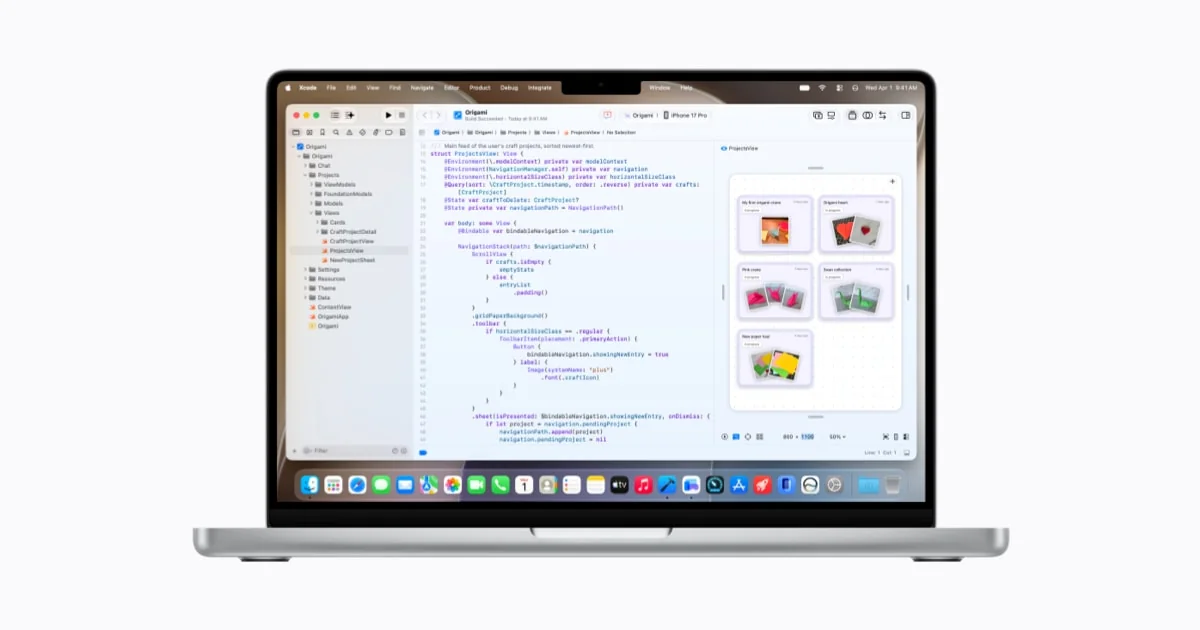
Developers won’t be left out: Apple is opening some image generation and model tools via APIs and integrating third‑party models in developer workflows, including agents from Anthropic, OpenAI and Google in Xcode tooling.
Markets and expectations
Investors’ reaction was muted: Apple shares slipped after the show, a classic “buy the rumor, sell the news” moment for expectations that had already run ahead. Analysts called the keynote a necessary course correction: tidy up the platform, ship features that actually work, then ask users to trust a big new AI layer.
Apple’s PR line — that useful, private AI matters more than flashy breakthroughs — will be tested in the months ahead. If Siri AI delivers the promised privacy architecture, practical automations, and the reliability Apple emphasized today, it could quietly fold advanced assistants into the everyday phone. If it stumbles in execution or runs into more regulatory walls, the company may end up proving that the hardest part of the AI race isn’t building models — it’s shipping them where and how people can actually use them.