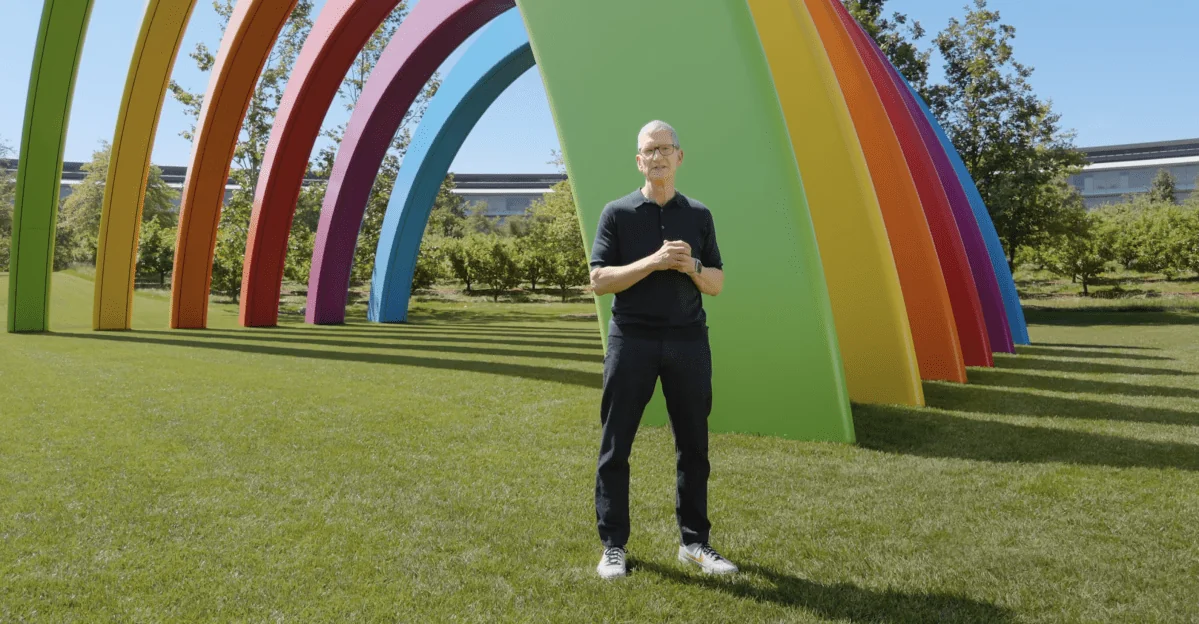
Tim Cook signed off the Worldwide Developers Conference with an old‑familiar flourish — new operating systems, design tweaks and a parade of features — but the headline moment was something Apple has been promising for years: a rebuilt, multimodal Siri powered by a new generation of foundation models.
It’s a big pivot. Siri is no longer just a voice command tucked into iPhones; Apple unveiled a standalone Siri AI app, deep integrations across core apps, and a family of models the company says were engineered "with privacy at its core." The rollout, however, is uneven: almost everyone outside Apple’s servers and chips will get to try it later this year — except the European Union, where regulatory rules tied to the Digital Markets Act (DMA) have delayed the launch.
What Apple actually announced
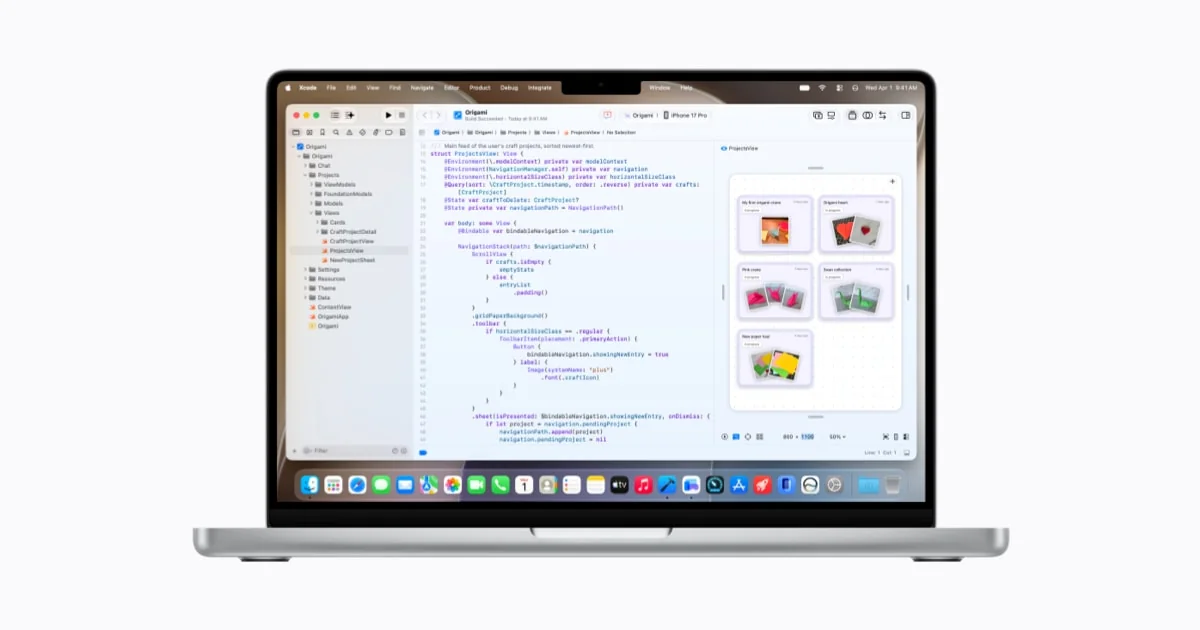
At WWDC Apple introduced iOS 27 and a suite of OS updates — macOS 27 (Golden Gate), iPadOS 27 and more — and seeded developer betas the moment the keynote ended. The practical change is that Apple Intelligence now reaches far deeper into system apps: Messages, Mail and Calendar gain conversational automations; Safari can monitor and summarize tabs; Photos and Camera receive generative editing and new visual tools. A new slider tames Liquid Glass translucency. For details on how Apple is tweaking that controversial design language, Apple’s UI refresh is covered in the macOS 27 discussion and tweaks to Liquid Glass are visible across the betas. See more on macOS 27’s Liquid Glass tuning here.
All of that runs on a refreshed model stack Apple calls the third generation of Apple Foundation Models (AFM 3). The company published a technical overview describing five models: two on‑device (AFM 3 Core and AFM 3 Core Advanced) and three server-based pieces (AFM 3 Cloud, ADM 3 Cloud for images, and AFM 3 Cloud Pro for heavy lifting). Apple says these scale from fully local inference on Apple silicon up to Private Cloud Compute for more demanding tasks.
The tech that makes Siri feel different
Apple’s brag: the best parts of Siri’s new brain can run locally. AFM 3 Core Advanced is notable for its sparse, expert‑based design — a way to store most of the model offline and only load a handful of parameters into DRAM when needed. That lets a much larger model live on devices with limited memory without sacrificing the snappy responsiveness people expect. Apple also showcased huge improvements in speech and dictation quality, and a TTS system that sounds markedly more expressive in demos.
Server models power the generative image tools (ADM 3 Cloud) and the most complex agent‑style workflows (AFM 3 Cloud Pro). Apple emphasized that server workloads run on Private Cloud Compute and that it worked with Google and NVIDIA for GPU capacity — a notable collaboration that underscores how much cloud muscle is required when you go beyond on‑device tricks. You can read Apple’s technical note on AFM 3 on the company’s research site for deeper detail.
A rollout with limits: hardware, regions and regulation
Not everyone who gets iOS 27 will get Siri AI. The AI features require newer silicon: Apple said devices older than certain iPhone 15/16 Pro models will receive the OS but not the on‑device Apple Intelligence experiences. The developer betas are available now to those who want to poke around; a public beta is scheduled for later this year with a full public release alongside the fall iOS launch.
But Europe won’t be on that fall map. Apple confirmed Siri AI won’t ship in the EU at iOS 27’s launch, citing unresolved concerns about complying with the DMA and the bloc’s insistence on particular technical and competitive safeguards. The regulatory tug‑of‑war highlights a new reality: building AI into phones is not just an engineering exercise, it’s a policy one.
What this means for users — and competitors
For users, the new Siri promises to be more conversational, to have “visual intelligence” (it can reason about images you show it), and to act like a generative assistant inside many apps. For developers, Apple says it will allow plugging in third‑party models for some experiences, which opens a door to choice — though the company also positions its AFM family as tightly optimized for Apple silicon and privacy guarantees.
Apple’s approach is conservative compared with some rivals: heavy on on‑device inference, private cloud for sensitive server tasks, and a heavy emphasis on safety-checking and human review during training. But the balance of privacy and capability will be judged in the global marketplace and, crucially, in court and regulatory halls — Apple already settled a $250 million class‑action suit over prior Siri delays, and the DMA fight will shape when Europeans get the same features their neighbors do.
Hardware hints — and the quiet foldable signal
iOS 27 includes interface changes that feel tuned for new device shapes, and early beta sleuthing has flagged features that look like they were designed with foldable screens in mind. Apple didn’t unveil a foldable at WWDC — that’s still expected at a separate product event — but the software is clearly being prepared for different physical canvases. For context on Apple’s broader software and hardware choreography this year, Apple is also shipping a standalone Siri app and new business features in iOS 27, which stitch together platform and services efforts in a way that’s not subtle: see the announcement on the standalone Siri app and Business Hub here.
Families, safety and the softer details
Apple also highlighted family safety updates: more granular parental controls, communication safety filters for images, and improved account management. Those features sit alongside usability nudges — like a transparency slider for Liquid Glass — intended to calm earlier complaints about legibility and battery concerns.
WWDC 2026 felt, in many ways, like a rimshot to an era. It was Tim Cook’s last WWDC as CEO before he becomes executive chairman, and across the keynote Apple leaned into continuity: the same ecosystem‑first instincts, retooled with generative AI underpinnings. The real test will be whether Apple can deliver the promised privacy and polish while meeting regulators and keeping parity across a globe that increasingly treats AI as a policy problem as much as a product one.
If you want to dive deeper into the design side of Apple’s updates and Liquid Glass changes, there’s more on the macOS tweaks here. And if you’re following how Apple wires Siri into apps and business tools, the standalone Siri app item is a good next read here.
One thing is certain: Siri no longer just wakes up when you say “Hey Siri.” Now it listens with a larger vocabulary — and a much heavier compliance and hardware baggage claim attached to it.