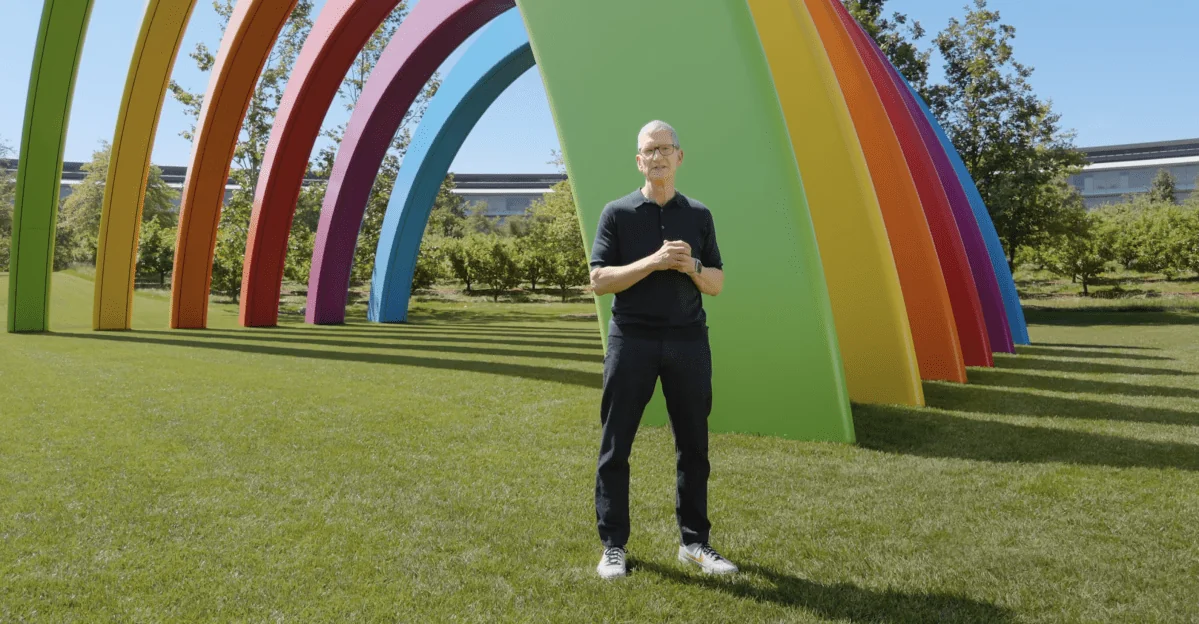
Apple used its WWDC keynote to put Siri back in the spotlight — and to show off a very different kind of assistant. Dubbed Siri AI and powered by a new Apple Intelligence architecture, the makeover brings multi‑step conversations, on‑screen awareness, image understanding and a standalone Siri app that archives chat history. It also set up an unexpected regulatory standoff: EU iPhone and iPad users will not get Siri AI when iOS 27 and iPadOS 27 ship.
What Apple showed at WWDC
On stage, Apple presented Siri AI as more than just a voice with better timing. The company highlighted three technical threads: stronger multimodal reasoning (so Siri can read a photo or the contents of a screen), deeper system integration (it can act across apps and perform systemwide app actions), and a privacy‑focused runtime that mixes on‑device processing with what Apple calls Private Cloud Compute.
That combination powers features across Photos, Safari, Messages, Mail and the Camera app — from Spatial Reframing in Photos to an interactive Siri mode inside Camera that can, for example, analyze a plate of food for basic nutrition info. Apple also showed a dedicated Siri app where conversation history is stored and synced privately via iCloud, and Apple says many of the assistant’s impressions and voices are more natural and expressive.
Apple even acknowledged a partnership in the underpinnings: the new foundation models behind Apple Intelligence were developed with technology from Google’s Gemini family, according to company remarks during the event.
If you want to dig into how Apple will expose Siri through a new app and developer hooks, there’s more on the standalone Siri experience and developer-facing changes in Apple’s broader rollout plans for iOS 27 and related tools. See coverage of the new standalone Siri app and business hub for more details standalone Siri app.
Why some Europeans won’t see Siri AI on iPhone and iPad
Apple announced an unusual wrinkle: because of the European Union’s Digital Markets Act (DMA), Siri AI won’t be available on iPhone and iPad in the EU when iOS 27 and iPadOS 27 arrive. The company says months of discussions with EU regulators produced no agreement on a path that would let Apple ship Siri AI while preserving the privacy and safety protections it believes are essential.
Apple argues the DMA — under the EU’s interpretation — would force the company to give competing virtual assistants direct, near‑unrestricted access to a user’s private data and the ability to operate across other apps autonomously. Apple warns such access could let malicious actors hijack assistants to steal data or alter files and settings without users’ knowledge. To address that, Apple proposed a Trusted System Agent intermediary and suggested a phased 18‑month rollout in the EU; the company says the European Commission rejected those proposals.
As a result, Apple will block Siri AI on iOS and iPadOS in the 27 EU member states at launch, while still enabling the feature on macOS 27, visionOS 27 and watchOS 27 for EU users. Developers based in the EU will also be unable to test Siri AI on iPhone and iPad until the situation changes.
What this means for users and developers
If you’re outside the EU or using a Mac, Vision Pro or the latest Apple Watch, Siri AI will be available for testing and — later this year — as a beta. Supported hardware includes recent iPhone and iPad models as well as Macs with Apple silicon, Vision Pro and newer Apple Watch models; Apple plans an English‑first beta and promises to add languages quickly.
The update bundle does more than introduce Siri AI. Apple is also tweaking its Liquid Glass design system — adding a slider to let users tune opacity — and promising performance improvements such as faster app launches and snappier Photos loading. For those macOS details, Apple’s design adjustments and Liquid Glass refinements are worth a look macOS Liquid Glass tweaks.
For EU users who rely on Siri on their iPhones and iPads, this is a notable pause. It’s also a marker of how AI policy and platform rules are colliding in real time: companies say user safety and privacy demand guardrails; regulators say open competition requires access for rivals. Neither side is backing down yet.
Apple framed the move as protecting users from new classes of AI risk. Regulators framed the DMA as a tool to keep gatekeepers from favoring their own services. In the middle are billions of devices and a very public experiment in how to govern AI that can reach across apps and personal data.
The feature set, the privacy pitch and the regulatory spat mean WWDC’s Siri reveal will be discussed for weeks: engineers and regulators will no doubt keep negotiating, and users — especially in the EU — will watch for any sign that Siri AI might finally make it to iPhone and iPad without the trade‑offs Apple says it won’t accept.