What will Apple’s first consumer smart glasses actually look like when they hit store shelves? According to Bloomberg’s Mark Gurman — whose reporting has driven much of what we now know — Apple is experimenting with at least four distinct frame styles and a handful of finishing touches meant to make the product feel unmistakably “Apple.”
Apple’s earliest wearable won’t be a mini headset. Instead, the company appears to be building display‑less, camera‑equipped spectacles designed for photo and video capture, phone calls, music, notifications and hands‑free AI interactions. Think of them as airborne AirPods: subtle, audio‑centric, and meant to sit in users’ daily lives rather than take them into full‑on augmented reality.
Four shapes, a few color notes
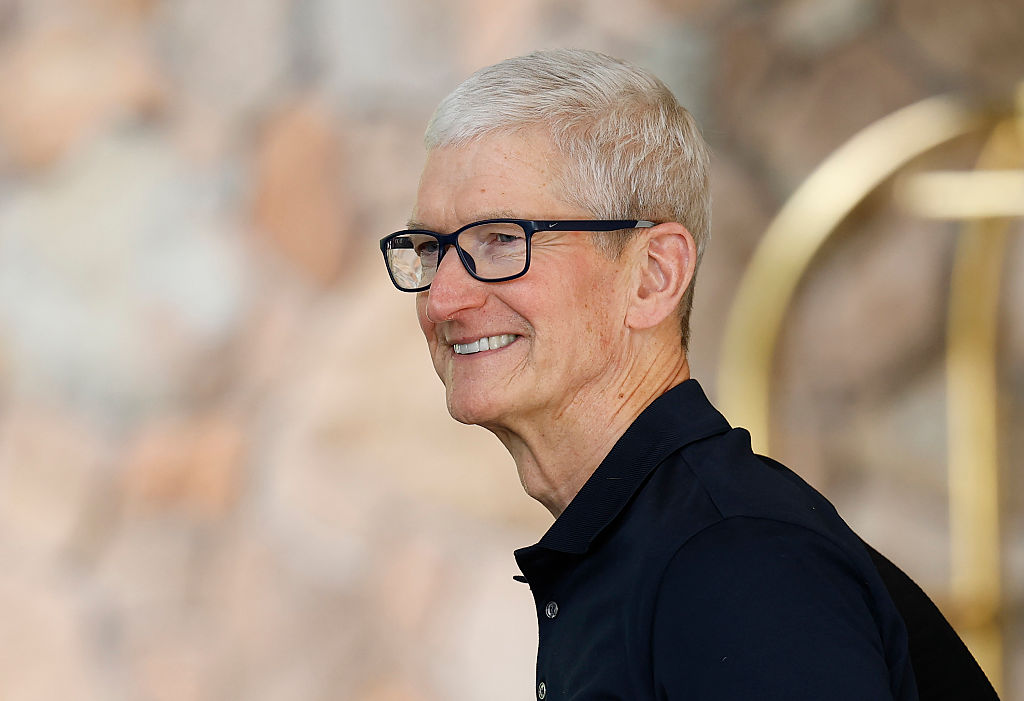
Engineers and designers inside Apple have reportedly prototyped four frame families: a large rectangular shape reminiscent of Wayfarer‑style frames; a slimmer rectangular option (the sort Tim Cook favors); a larger oval/circular frame; and a smaller, more refined oval or circle. Multiple finishes are in play, with black, ocean blue and light brown among the colors being tested.
One small but telling detail: Apple is said to be favoring vertically oriented oval camera lenses, surrounded by indicator lights. That aesthetic tweak signals Apple wants the glasses to read as a recognizable product while still differentiating from Meta’s Ray‑Bans. The company is also leaning on higher‑end materials such as acetate — a nod to premium build and “icon” design thinking that Apple has used before.
Not AR — at least for now
These glasses are not the long‑rumored AR headset with onboard displays. Instead they’ll likely skip a wearable screen and concentrate on sensors: cameras, microphones and onboard speakers. Features expected include photo and video capture, phone calls, music playback and a multimodal AI layer that ties in with Siri and Apple Intelligence for contextual assistance.
Apple’s move toward a more modest, camera‑forward device looks like a strategic pivot from earlier ambitions to ship a family of mixed reality devices. The Vision Pro’s lukewarm market reception and development delays appear to have nudged the company toward smaller, more mainstream wearables that can land in pockets and on faces sooner.
Part of a broader computer‑vision play
The glasses are only one node in a larger hardware strategy that Bloomberg says also includes new AirPods and a camera pendant — devices that together would feed visual context into Siri for smarter, situational assistance. Apple’s aim is to marry on‑device sensors and computer vision with an upgraded Siri so the company can deliver turn‑by‑turn directions, visual reminders and hands‑free help without forcing users into a full AR environment.
That strategy echoes Apple’s long arc: industrial design and ecosystem playbooks that turn hardware into platform hooks. If you want a sense of how Apple is positioning design and AI together at scale, their 50th anniversary themes and ecosystem moves are useful background on that shift Fifty Years of Apple: Design, Ecosystems, and an AI Crossroads.
Audio is expected to be a major selling point — small speakers, good mics and tight integration with the iPhone and Siri. Apple’s recent work on headphones and earbuds suggests the company sees audio wearables as a core route to mainstream acceptance for new features, not least because people tolerate subtle, stylish glasses more easily than bulky headsets. For context on how Apple is evolving audio hardware, see the recent look at the company's updated over‑ear approach AirPods Max 2: Same Shell, Smarter Sound.
Apple also appears to be lining up software changes to take advantage of these sensors — including a beefed‑up Siri experience and other AI features that could arrive across iOS and wearables. The company has signaled it will separate some AI features into new experiences and products in the near term Apple to Ship a Standalone Siri App and New Business Hub — and Let You Pick Which AI Answers.
Timing and positioning
Per Gurman, Apple could announce the glasses as early as late 2026 with shipments arriving during 2027. The plan seems cautious: ship a polished, premium device that complements existing Apple gear rather than a sprawling AR platform that needs years of content and developer buy‑in.
Market watchers see value in that approach. Research from industry analysts noted rapid growth in the smart‑glasses category in late 2025—largely driven by Meta’s moves—so Apple may be aiming to enter a warming market with a product that prioritizes style, privacy signals and Siri‑level smarts.
Why it matters
Design choices — from frame shapes to material selection and camera styling — will determine whether Apple’s glasses are a fashion statement, a useful tool, or both. The company’s ability to knit the hardware into iPhone, watch and AirPods experiences could make these glasses less of a novelty and more of a daily utility.
Apple still has big engineering questions to answer: battery life in a refined frame, how on‑device AI handles sensitive visual data, and whether consumers will embrace photo/video glasses amid privacy concerns. For now, the prototypes and the strategy sketch out a pragmatic, product‑first play: small, stylish, camera‑smart glasses that slot into Apple’s broader push to put computer vision and AI into everyday devices.