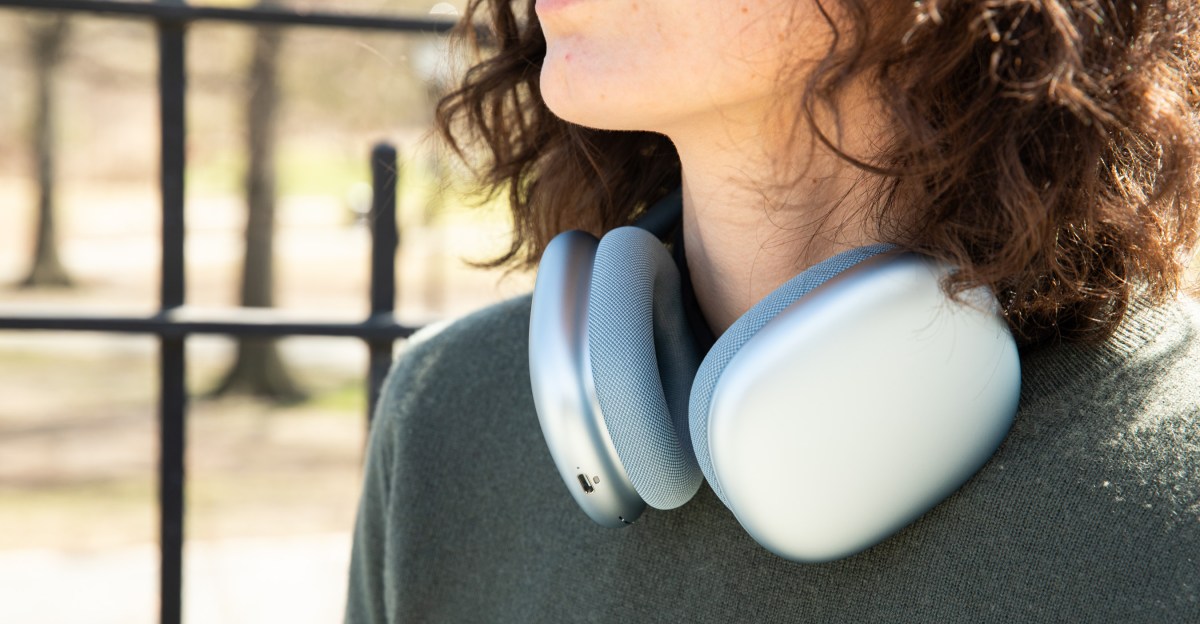
Five years is an eternity in consumer tech. So when Apple quietly kept the AirPods Max’s external design but rebuilt what’s inside, reactions split between delight and mild annoyance: delight for the sonic gains, annoyance that the company didn’t refashion the one thing nearly everyone complained about — the case.
I spent time with the AirPods Max 2 while juggling subway rides, apartment listening sessions, and a few phone calls. The headline is simple: Apple’s new H2-driven tweaks make these the best-sounding and most effective AirPods Max yet, but they’re still the same heavy, expensive headphones you either love or wince at buying.
What changed (under the hood)
Apple didn’t reinvent the Max silhouette. Instead, engineers leaned on silicon and software. The H2 chip — first seen in the AirPods Pro 2 — returns as the brains for faster DSP, more sophisticated ANC algorithms, and a clearer flow between noise cancelling and transparency through Adaptive Audio. Apple’s audio team says the Max 2 delivers roughly 1.5x better ANC across a wide frequency range compared with the original, a gain achieved purely by improved processing and newer algorithms rather than swapping transducers.
Paired with a high dynamic range amplifier (the HDR amp), the updated stack reduces distortion at higher volumes and gives the same 40 mm drivers more headroom. Practically, that means punchier, more controlled bass; cleaner mids; and better separation when orchestras or dense mixes get busy. Lossless wired playback at 24-bit/48kHz via USB-C is supported for situations where latency or ultimate fidelity matters — useful for creators and audiophiles who still plug in.
Features that trickled down from Apple’s other earbud projects also make an appearance: Live Translation, Conversation Awareness, personalized spatial audio, and improved head-gesture Siri controls. If you care about how these headphones work inside Apple’s ecosystem, note that they lean heavily on iOS and Apple services for the full experience — features like adaptive audio and fast device switching are far more complete when you’re on an iPhone or Mac. Apple’s broader Siri and platform work continues to evolve, and recent moves to expand Siri’s reach may make interactions with the Max 2 feel even smoother over time Apple to Ship a Standalone Siri App and New Business Hub — and Let You Pick Which AI Answers.
What stayed the same (and why that matters)
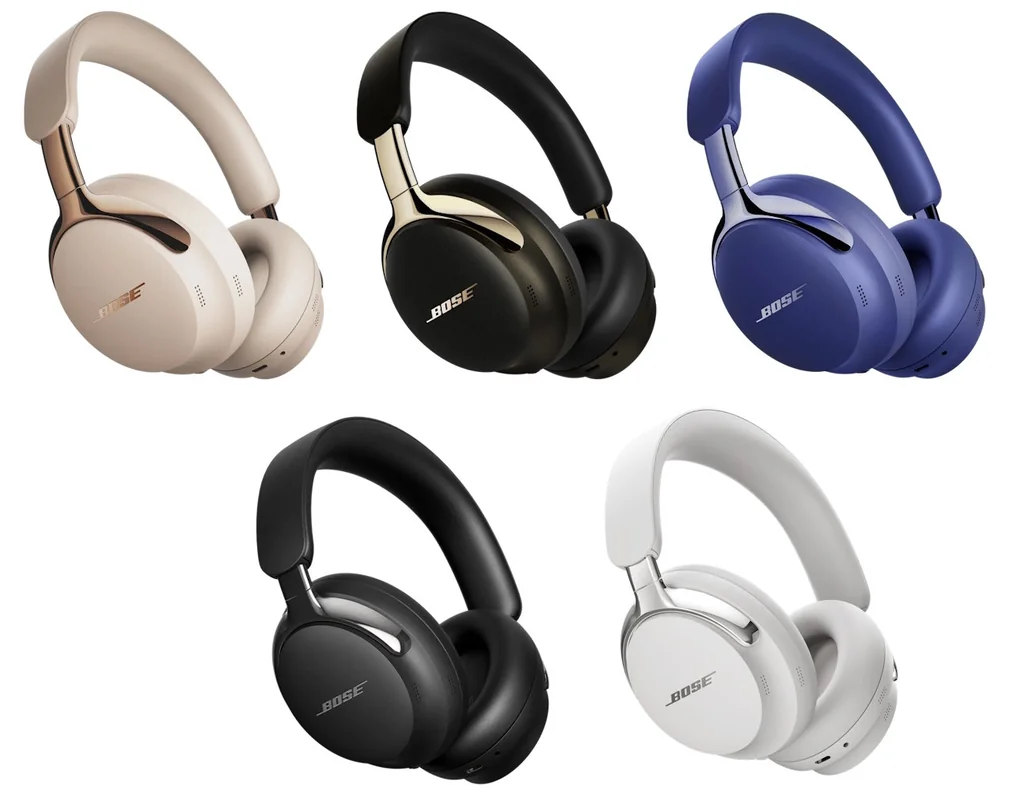
From the aluminum ear cups to the stainless steel headband and knit mesh canopy, the AirPods Max 2 are visually indistinguishable from their predecessor. That’s both deliberate and divisive. On one hand, Apple preserved the premium materials and fit-and-finish that many buyers prize. On the other, the Max’s two most persistent complaints remain: they're hefty (about 385–386 g) and Apple’s “Smart Case” still offers minimal protection.
Battery life hovers around Apple’s 20-hour claim with ANC on, and the lack of a physical power switch persists — the headphones enter a deep-sleep state inside the case, which is efficient but inelegant. Call quality has improved overall, but multiple reviewers noticed occasional artifacts during conversations, likely an ANC trade-off when the mics and processing try to juggle noise suppression and voice clarity.
Perhaps the biggest practical limitation: connect to a non-Apple device and many of the Max 2’s smarter features disappear. Adaptive Audio, live translate, head gestures, and ultra-low-latency benefits are primarily available within Apple’s ecosystem. If your life spans phones, laptops, and consoles from different makers, competitors like Sony and Bose still offer friendlier multipoint support and often lighter designs.
How they actually feel
Walks, subway rides, and late-night mixing tests all pointed the same way: ANC is top-tier and sound quality is demonstrably better than the prior Max without feeling like Apple overcooked the EQ. Pop, orchestral, and electronic tracks all benefit — there’s weight and clarity in the low end without muddiness, and the mids stay forward without glare. Adaptive Audio transitions smoothly between isolation and transparency, which makes the Max 2 easier to live with in urban or home-office scenarios.
The weight is noticeable over long sessions. Two hours in, I felt pressure on the crown and around the ears — tolerable, but a deal-breaker for some. The build feels premium, but that doesn’t excuse the flimsy case. A structured carry solution would have matched the price point.
Who should consider buying them?
These are for people who prioritize sound and ANC above all else, and who live mostly inside Apple’s world. If you want a premium-sounding, feature-rich pair of over-ear headphones that integrate tightly with iPhones, Macs, and iPads, the Max 2 are among the best options — albeit an expensive one at the $549 MSRP. If you frequently switch between devices from different ecosystems, prefer lighter headphones for long wear, or care about a hard travel case included in the box, rivals from Sony and Bose remain compelling choices.
If you’re still undecided, try them with your daily playlist and make a real-world call: that’s where the balance of sound, ANC, and voice pickup becomes personal. And if you want to see current retail availability, they’re available on Amazon.
I’ll keep wearing them and watching what software updates unlock — Apple’s H2 platform still has headroom, and recent iOS platform moves suggest more feature polish could come down the road. For now, the AirPods Max 2 are an impressive evolution: not transformative in looks, but meaningfully smarter where it counts.