If phone cameras keep trying to be everything at once, Vivo has decided to be the one that doubles as a tiny production rig. The X300 Ultra — Vivo’s most camera-forward handset yet — is making its first wide international push, bringing a clutch of cinematic video features and surprisingly serious telephoto hardware to markets outside China (though the US still looks unlikely to get it).
A camera system built like a small kit
Vivo calls its approach a “triple prime” lineup: a 35mm “documentary” main, an 85mm periscope telephoto and a 14mm ultrawide. The headline numbers are eye-catching — two 200MP sensors and a 50MP ultrawide — but the story is in how Vivo combines big sensors, Zeiss optics and modular accessories.
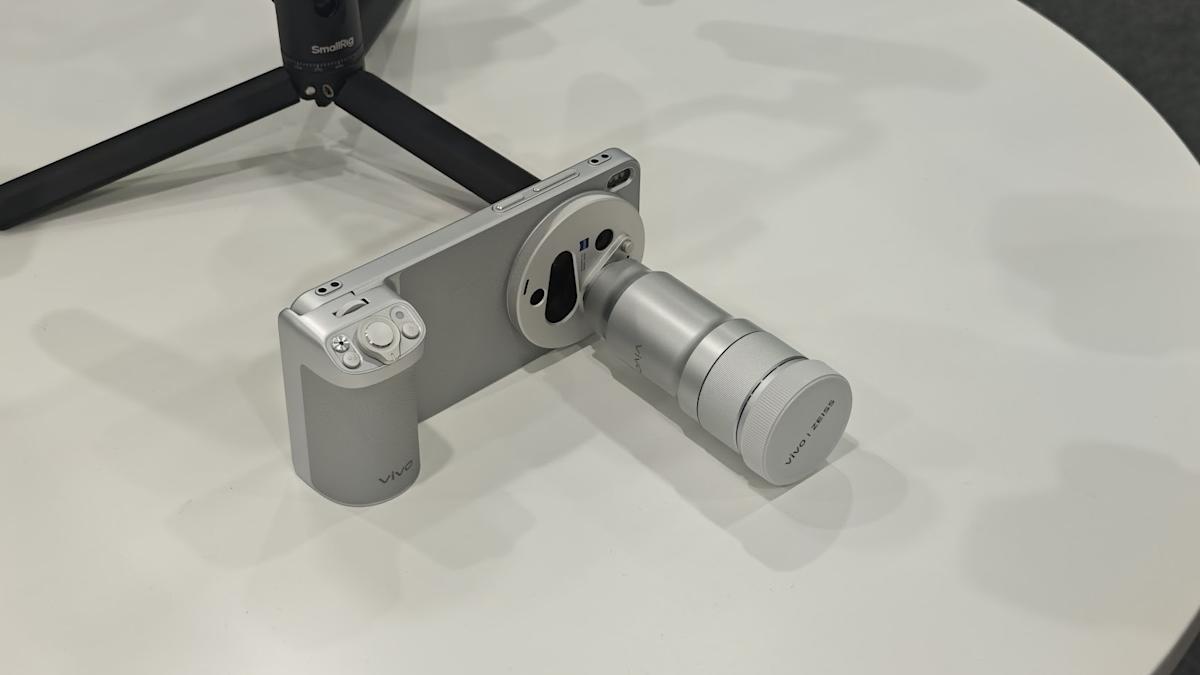
The telephoto camera is what pushes this design into rare territory for phones: it’s stabilized to “gimbal-grade” levels and tuned to reduce chromatic aberration (an APO design), and Vivo even offers physical telephoto extenders that clip in front of the lens to reach far beyond the built-in optics. There are two extender options, and the pricier Gen 2 Ultra model stretches reach up toward a 400mm equivalent — effectively turning the phone into a long-reach shooter you can wear on a strap.
Under the hood the X300 Ultra runs a top-tier Snapdragon 8 Elite Gen5, pairs huge sensors with computational imaging, and sits behind a big, high‑refresh OLED (around 6.8 inches, QHD+ with a very high refresh rate). Vivo has loaded the phone with pro‑grade video modes: 10‑bit LOG capture, Dolby Vision, real‑time LUT previews and ACES workflow compatibility for anyone who wants to drop phone footage into a traditional editing pipeline.
Battery and charging are no afterthought: expect a very large cell (reports range in the 6,000–6,600mAh neighborhood), plus fast wired and wireless charging to keep extended shoots going. Storage and RAM top out at flagship-class figures, and Vivo has borrowed SmallRig and other accessory makers to sell cages, grips, buttons and even a cooling fan so creators can actually shoot long takes without throttling.
Why this matters — and who it’s for
Phones and point‑and‑shoots have been eating into the entry-level mirrorless market for years, but Vivo is trying to bridge the remaining gap by combining optical reach, big sensors and video workflows that pros understand. If you shoot a lot of telephoto portraits, concert clips or documentary stuff and you don’t want to lug a camera bag, the X300 Ultra’s mix of hardware and accessories is persuasive.
Vivo’s play is twofold: make phone imaging convincing for serious creators, and make the ecosystem of attachments feel optional rather than compulsory. That’s a different stance than many mainstream flagships, which often treat wide, ultra and tele as interchangeable pixels rather than distinct creative tools. For context on the competitive landscape, Samsung’s Galaxy S26 Ultra remains the safe, mainstream pick for many buyers, while Pixel refreshes continue to chase balanced everyday photography; see how other flagships are evolving in the recent Galaxy S26 Ultra roundup and the Pixel 11 leaks and rumors.
Real-world quirks: extenders that surprise you
Early hands‑on impressions suggest the extender lenses are more than a gimmick. A Verge reviewer started skeptical and ended up hooked after a day shooting at a spring fair: once you start composing with 200mm or 400mm equivalents on a phone, your ideas about framing change. Depth, layered backgrounds and tighter subject isolation suddenly become practical without relying solely on digital zoom.
There are caveats. The extender adds bulk and can get awkward in crowds or on rides, autofocus still has to cope with fast-moving subjects, and physical attachments invite the usual tradeoffs between convenience and readiness. But the fun factor — and the optical results — are real enough that the reviewer wanted mainstream brands to borrow the idea.
Videography ambitions (and the studio workflow nod)
Where many phones pitch polished social clips, Vivo is aiming for production-friendly capture. The X300 Ultra records up to 4K at 120fps across the rear cameras, supports 10‑bit LOG and gives you live LUT previews so what you see while recording is closer to the graded result. That plus ACES compatibility and external rigging options signals that Vivo isn’t only courting hobbyists: it wants creators who expect their footage to slot straight into edit suites.
To help those users, Vivo has collaborated with accessory partners to offer pro grips, physical shutter and zoom controls, multiple cold‑shoe mounts and ventilation for long sessions. In short: you can push the phone into a handheld cine rig without sacrificing phone conveniences.
Availability, price and the fine print
Vivo has announced a broad international rollout across Asia, parts of Europe and several other markets, but it hasn’t released US pricing or confirmed a North American launch. Preorders in some regions have already started, often with bundled accessories to sweeten early purchases. Vivo is also releasing a lighter X300 FE variant — a compact “light flagship” that borrows many telephoto ideas but in a smaller package — which shows the company is building a family around this imaging strategy.
There are unanswered questions: final prices for the extenders and pro kit, exact battery behavior under heavy recording loads, and how software updates will refine autofocus and processing over time. Vivo’s ambition is clear, though: it wants to make phones that appeal to filmmakers and photographers who care about optical tools, not just pixel counts.
If you’ve been waiting for a phone that feels like a camera with a phone’s brains, Vivo’s newest hardware is the boldest attempt yet — and it might make you think twice about which bag you bring to your next shoot.