Is the Galaxy S26 Ultra the radical leap Samsung promised — or a careful, well-polished iteration? The answer is both and neither. The S26 Ultra refines a familiar flagship formula: slimmer chassis, a top-tier Snapdragon 8 Elite Gen 5 under the hood, a 200MP main camera, and lots of AI-branded features. But the one genuinely new hardware move — a built-in Privacy Display — is the headline that’s getting people to rethink how they use a phone in public.
Design: familiar silhouette, fresh thinness
To the naked eye, the S26 Ultra looks almost indistinguishable from the S25 Ultra. Squared edges, rounded corners, and a prominent camera bump that houses five lenses. The body is slim — about 7.9mm — and feels lightweight compared with some rivals. That thinness is a double-edged sword: it’s nice in the hand, but the camera island makes the phone wobble on flat surfaces, nudging most people to reach for a case and defeating the point of showing off the chassis.
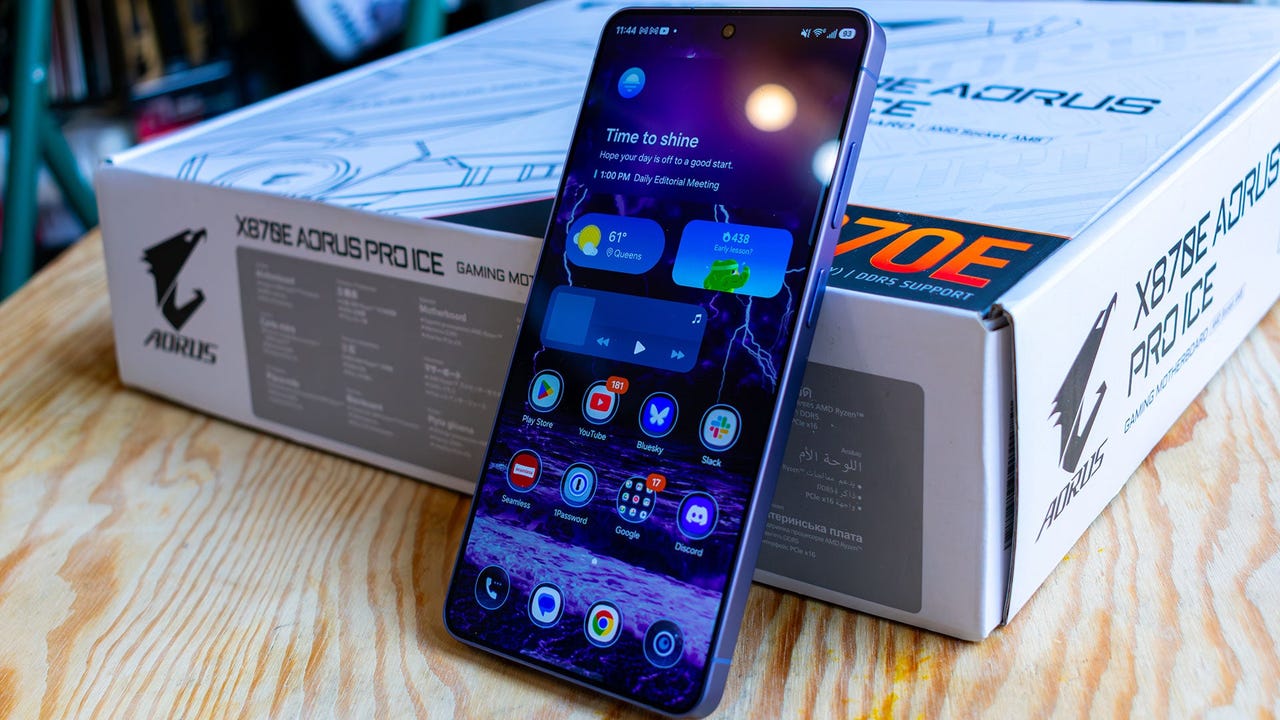
Samsung swapped titanium back to aluminum this generation, a decision that reviewers say improves thermals and ergonomics but leaves a different tactile impression compared with pricier metal choices. Colorways are subtle; the Cobalt Violet option hides a purple sheen that only shows in the right light.
Privacy Display: a practical trick, not magic
The S26 Ultra introduces a built-in Privacy Display that narrows viewing angles so people beside you can’t easily peek at your screen. Samsung pairs that feature with a survey highlighting how common accidental or curious peeking is — more than a quarter of Brits admit to looking at strangers’ screens out of curiosity, the company says — and positions the Privacy Display as a solution that works without third-party screen filters.
It’s not perfect. When activated the screen takes on a grayish cast that dulls color. The feature must be toggled manually and isn’t AI-powered; some information can still be visible depending on angle and brightness. Still, for commuters or people handling sensitive material in public, this is one of those rare design choices that actually changes behavior.
AI features: useful helpers, many novelties
Samsung has pushed its Galaxy AI suite hard. There are practical bits — call screening and transcription that keep robocalls out of your notifications — alongside more experimental things like prompt-based Photo Assist and Creative Studio for generative edits. In practice, reviewers found the utility mixed: Call Assist and on-device NPU acceleration feel polished; other "Now" widgets and creative AI tools tilt toward novelty rather than daily indispensability.
If you rely on cross-device translation, the S26’s live-call translation and transcription are handy. (For broader context on on-device translation expanding across platforms, see how Google’s Live Translate has grown beyond Android and into iPhone support.) Google’s Live Translate expansion
Some reviewers also said Samsung’s ecosystem and AI approach still feels duplicative when you already use third-party AIs or services that solve similar problems — a reminder that features alone don’t win users if the workflow isn’t smoother than what they already use.
Performance and gaming: fast CPU, middling GPU headroom
With the Snapdragon 8 Elite Gen 5, everyday speed is excellent. Geekbench CPU numbers put the S26 Ultra in line with other flagships using the same chipset, and the phone’s NPU keeps AI tasks responsive. But synthetic GPU and stress-test results show the S26 sometimes trails competitors like the OnePlus 15 in sustained graphics throughput. In short: it’s fast, and more tuned for productivity and snappy AI than maximum gaming benchmarks.
If you use Android Auto, bear in mind there have been platform-wide annoyances recently that affected Galaxy S26 owners; a known bug forced some people to re-authenticate or lose connections while driving — something to watch if your car’s infotainment is mission-critical. Android Auto glitch details
Camera, battery and daily life
The camera stack is familiar but capable: a 200MP main sensor, 50MP ultra-wide, and a 50MP telephoto deliver vibrant shots with solid low-light retention. Selfies are handled by a 12MP front camera — fine, but not a headline maker.
Battery life impressed several reviewers: long single-charge stamina that can stretch toward two days with conservative use, and respectable endurance even with a high-refresh AMOLED panel. The higher 120Hz refresh will drain more juice in demanding sessions, but daily use felt reassuringly long.
Why some reviewers stayed with iPhone (and why others won’t)
Not everyone was seduced. Some writers praised the S26 Ultra’s innovations — the Privacy Display and improved video stabilization among them — but said the AI additions felt like too many gimmicks. Others preferred Apple’s tight ecosystem, magnetic accessories, and the feel of titanium frames, all legitimate factors when people decide whether to switch platforms.
Commercially, the phone is resonating in markets; early reports point to strong European rankings and positive traction, even as critics haggle over whether this is the kind of yearly upgrade customers need.
If you’re upgrading from a phone that’s several years old, the S26 Ultra is a compelling, well-rounded flagship: fast chip, strong cameras, long battery, and a privacy feature you can point to and say, "that’s useful." If you already own a recent top-tier device, the changes may feel incremental — impressive refinement rather than reinvention.
Either way, Samsung’s angle this year isn’t flash alone. The brand is nudging smartphone design toward subtle, practical shifts: quieter AI that helps where it matters, and a hardware tweak that acknowledges we no longer treat screens as private by default. Whether that’s enough to sway you depends on how much you care about camera wobble, case thickness, ecosystem locks, and whether a privacy screen is worth the slightly muted colors it brings along.