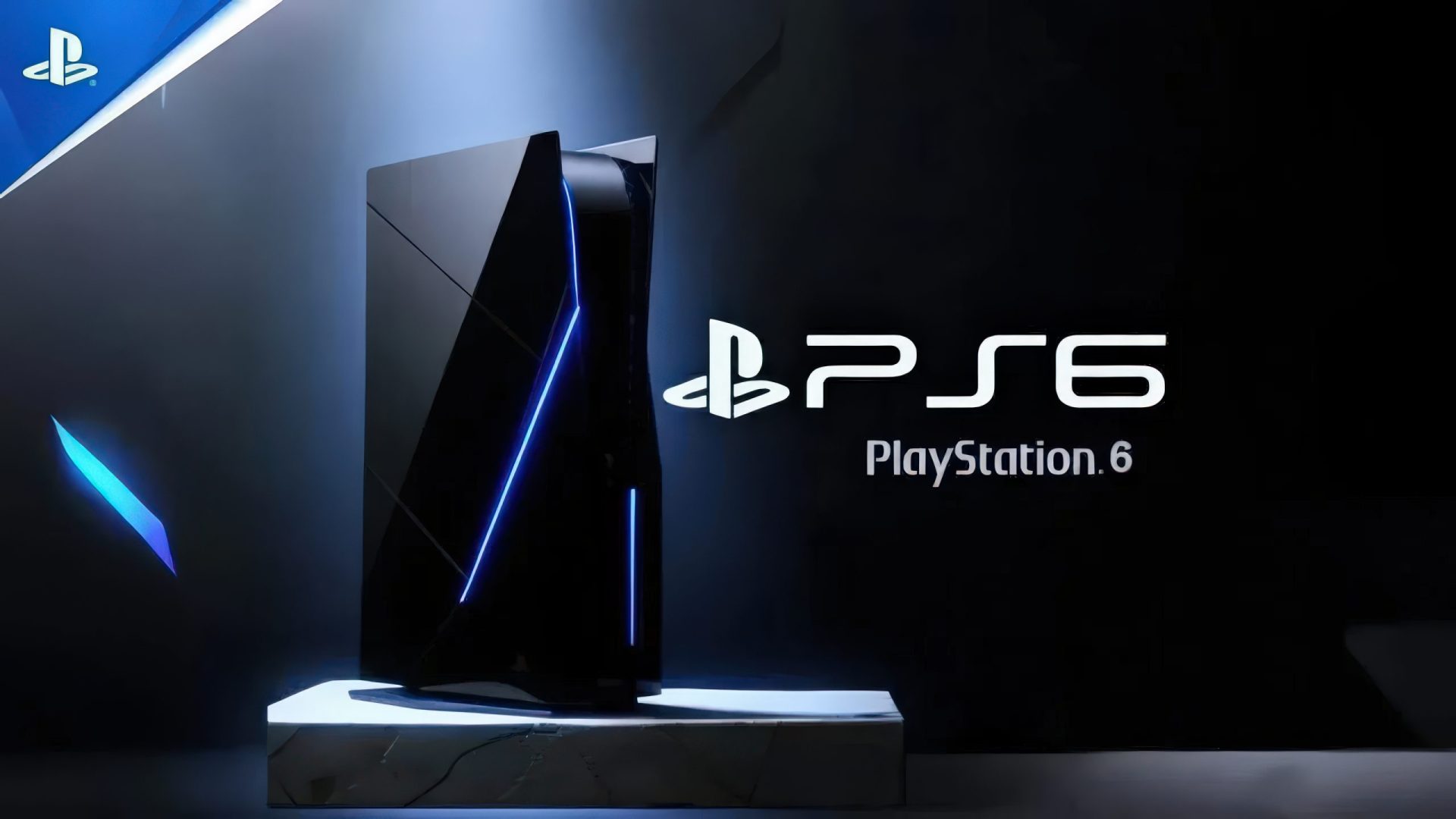
Is Sony quietly building the PlayStation 6 around a portable? Recent leaks have lit up that possibility — and they don’t look like isolated whispers. Multiple sources, most prominently the Moore’s Law Is Dead channel, sketch a picture of Sony moving beyond the PS5’s life cycle and preparing both a full next-gen console and a native handheld that could reshape how the company approaches cross‑generation games.
Power Saver Mode — a compatibility Trojan?
One of the more intriguing pieces of the puzzle is something Sony already ships: the PS5’s "Power Saver Mode." Leakers say developer guidance for that mode lines up almost perfectly with internal specs that have been attributed to a rumored PlayStation handheld. The gist: the threading and core‑use instructions in the PlayStation SDK appear optimized for a small, efficient APU — specifically, configurations like 4 Zen 6c efficiency cores (yielding 8 threads for games) plus two low‑power Zen 6 cores to handle system threads.
That’s notable because simply reducing thread count doesn’t buy meaningful power savings by itself; lowering clock speeds and using a more efficient silicon process does. So the thinking from several sources is that Power Saver Mode isn’t just an energy option for the PS5 — it’s a compatibility layer designed so games can run natively on a smaller handheld APU.
PlayGo and smart delivery for a multi‑device PlayStation family
Another leak points to "PlayGo," reportedly added to the PS5 SDK. Think Xbox Smart Delivery but for PlayStation: developers can bundle a game as distinct "chunks" of assets and textures so each device only downloads what it needs — PS4, PS4 Pro, PS5, PS5 Pro and a separate package for Power Saver Mode. If true, that has two practical implications:
- Faster, smaller downloads for owners; and
- A clean path to support a handheld or lower‑powered PS6 SKU without shipping gigantic PS5 asset packs.
PlayGo would let Sony avoid forcing every PS5 download to carry Pro or handheld assets, meaning cross‑gen releases can be leaner and smarter about storage and bandwidth.
Specs, competition and new upscalers
Leaked hardware talk is ambitious. The handheld rumors describe a TSMC 3nm AMD APU with a mix of Zen 6 cores and RDNA 5 graphics — figures tossed around include a 16‑CU GPU cluster, a 192‑bit LPDDR5X memory bus (rumors mention up to 24 GB), and a power envelope targeted at roughly 15–30W. That’s enough to position a Sony handheld ahead of something like an Xbox Series S in raster work and substantially stronger in ray tracing, according to the sources.
On the software side, there’s chatter about next‑gen upscalers: PSSR 3 and an FSR 5 family (AMD and Sony collaborating on tech that could rival NVIDIA’s DLSS chain). If those upscalers land and pair with PlayGo’s asset packing, Sony could push surprisingly high visual fidelity on smaller hardware.
Kit and timing for rivals matter, too. Leaks claim Valve’s Steam Deck 2 is taking a slower route (possibly 2028) while Sony could be accelerating a generational move that shows up sooner than the usual seven‑to eight‑year console cadence.
Price, production and a launch window that might surprise you
Contrary to the expectation that next gen means sticker shock, some leaks argue Sony is designing PS6 hardware to be cheaper to produce than the PS5 family. Lower costs for cooling, power delivery and overall parts could keep a base PS6’s bill of materials in the mid‑hundreds, with public pricing well under $1,000 and possibly competitive with — or below — a PS5 Pro SKU. If you’ve been annoyed by rising PS5 prices, those reports are a reminder that waiting could pay off; Sony has already been increasing PS5 prices this year, which makes the idea of a cheaper next gen more consequential for buyers Sony Hikes PS5 Prices Again.
There are also signs Sony is preparing developers for a transition. Internal messages reportedly instruct studios to adopt cross‑gen SDKs and note that some legacy PS4 online features will be wound down as the company moves toward a "unified and scalable foundation" across console generations. That shift will touch services like PlayStation Plus and multiplayer backends, so if you follow new releases and subscription changes, it’s worth keeping up with the monthly lineup and service updates as that transition approaches PlayStation Plus April games bring big fights and retro favorites.
What about launch timing? Leaks floated windows in the 2027–2028 range and suggested Sony is ramping internal work now rather than sitting back — which is why several outlets and leakers now say a generational move is "not many years away." That would fit a pattern where Sony evolves the PS5 base while quietly prepping next‑gen compatibility layers and content pipelines.
If Sony is truly aligning Power Saver Mode, PlayGo and a cost‑tight hardware design toward a multi SKU ecosystem — home console, more efficient Pro, and a native handheld — the result could be smarter cross‑generation support and a more flexible PlayStation lineup than we’ve had before.
There’s a lot to like in that vision: smaller downloads, native handheld experiences, and potential price discipline. There’s also a lot that could still be wrong — leaks morph, specs change and timelines slip. But for the first time in a while, PlayStation chatter feels less speculative and more like a company staging a thoughtful migration rather than simply swapping out an old box for a new one.
Either way, expect the next 12–24 months to be interesting. Sony’s next moves will tell us whether these are the opening tests of a generational plan — or the sort of internal experiments that never quite leave the lab.