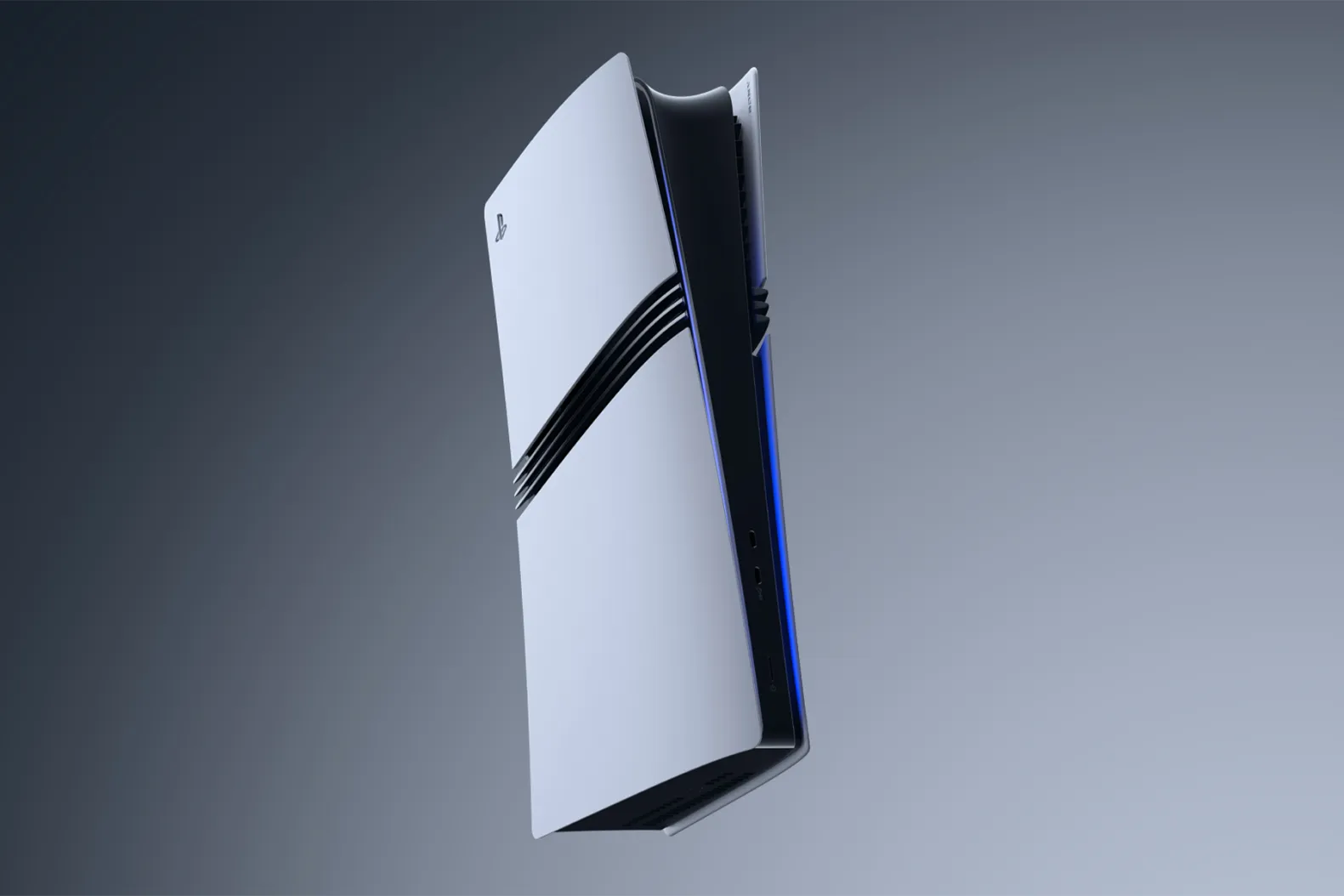
Sony announced on March 27 that it will raise PlayStation 5 prices worldwide on April 2, marking the second console price increase in less than a year. The jump is substantial: the standard PS5 now lists for $649.99 (up from $549.99), the PS5 Digital Edition goes to $599.99 (from $499.99), and the PS5 Pro will sell for $899.99 (previously $749.99). The handheld remote player PlayStation Portal is also getting more expensive, rising to $249.99.
The move lands during a period of rising component costs and geopolitical uncertainty. Sony framed the change as a reluctant but necessary step to “ensure we can continue delivering innovative, high-quality gaming experiences to players worldwide,” a message posted by Isabelle Tomatis, Vice President of Global Marketing for Sony Interactive Entertainment.
The numbers, region by region
Sony confirmed the new recommended retail prices take effect April 2. In Europe and the UK the increases are similarly steep:
- U.S.: PS5 $649.99; PS5 Digital Edition $599.99; PS5 Pro $899.99; PlayStation Portal $249.99.
- U.K.: PS5 £569.99; PS5 Digital Edition £519.99; PS5 Pro £789.99; Portal £219.99.
- Eurozone: PS5 €649.99; PS5 Digital Edition €599.99; PS5 Pro €899.99; Portal €249.99.
- Japan: PS5 ¥97,980; PS5 Digital Edition ¥89,980; PS5 Pro ¥137,980; Portal ¥39,980.
This is Sony’s second U.S. price hike in under a year: last August the company pushed prices up by $50 across the PS5 family.
Why Sony says it had to do it — and what’s really behind it
Sony points to "continued pressures in the global economic landscape." Analysts and reporting point to more specific pressures: memory-chip and RAM prices have surged, partly driven by demand for AI-scale systems. That spike in component costs hits console makers hard because modern consoles use large amounts of high-performance memory.
Beyond parts, companies are juggling tariffs, supply-chain disruptions, and broader macroeconomic volatility. Console makers aren’t alone: Microsoft and Nintendo have also raised hardware prices in recent months, and accessory and software pricing has nudged upward across the industry.
There’s also chatter — cited in industry reporting — that rising memory costs could affect the timing of future console generations. Bloomberg has reported that Sony is weighing a later launch window for the next PlayStation, possibly slipping into 2028 or 2029, in part because of component-price pressure.
Reaction and implications
Reaction from players has been a mix of frustration and resignation. For many consumers the news sharpens a growing worry: console gaming is tilting toward premium buyers. Analyst Mat Piscatella told outlets that the hobby is increasingly concentrated among higher-income households, and that affordability for lower-income gamers is becoming strained.
The price increases also land ahead of some high-profile game releases expected to drive console sales, including blockbuster franchises that typically spur hardware demand. For Sony, that timing creates a tricky balancing act: higher margins may be necessary to absorb costs, but steeper prices risk dampening the upgrade cycle.
For the broader market, the hike raises the prospect of a future where new-generation consoles routinely approach four-figure price points if component and logistics costs remain elevated. Manufacturers will have to weigh whether to absorb costs, pass them to buyers, or redesign hardware to cut costs — none of which are easy choices.
Sony’s statement acknowledged the impact on its community and said the company conducted a "careful evaluation" before acting. Still, for many players the math is simple: the machine that launched at $499 in 2020 now starts closer to $650 — and the Pro model has crossed a psychological threshold at $900.
Sony will begin selling consoles at the new prices on April 2. Whether the market absorbs the increase without much churn remains to be seen, but the conversation around affordability and the future of console pricing is likely to intensify in the coming months.