Ask NotebookLM to write code, pull new sources and hand you a finished report. That used to sound like something from a lab demo. Now Google is shipping it as an upgrade to its research notebook.
Google announced a broad refresh of NotebookLM that moves the product onto Gemini 3.5 and folds in Antigravity, the company's agentic coding capability. The combo is aimed at turning a document-focused assistant into a more proactive research partner: it can run code inside a sandboxed cloud computer, suggest and import web sources from chat, and output finished artifacts in a long list of file types you can download and edit.
What changed, in plain terms
- Model and reasoning: NotebookLM now uses Gemini 3.5 as its default large model, which Google says improves accuracy, multilingual handling and complex reasoning compared with the prior branch. In internal pairwise tests the upgrade reportedly averaged a roughly 65% win rate on Google’s five evaluation dimensions, with particular gains in large document analysis and advanced web research.
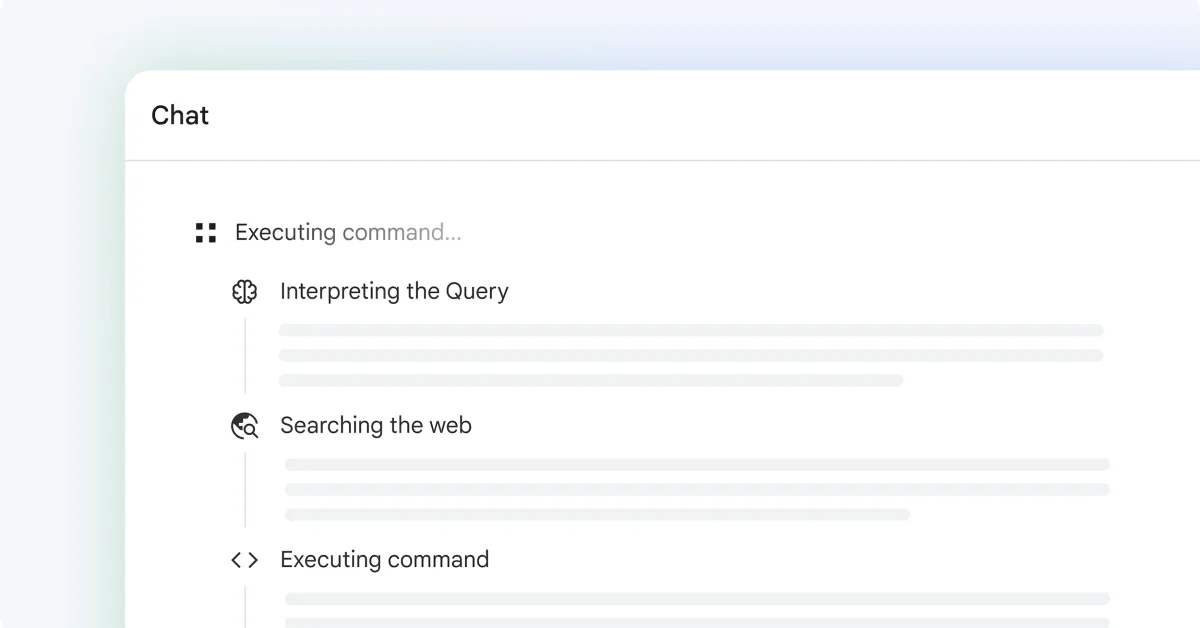
- Antigravity and the secure cloud computer: each notebook gains a secure cloud compute environment. That lets NotebookLM write and execute code — think data cleaning, calculations, chart generation — using a catalog of more than 100 curated software skills. Google pitches this as a way to keep workflow inside one place instead of jumping between tools.
- More output formats: the Studio panel now produces downloadable assets beyond text. Supported formats at launch include PNG and SVG charts, PDFs, DOCX, Markdown and plain text, CSV and JSON, XLSX, PPTX, and images via Google’s Nano Banana image tool. You can ask for a tailored PDF report with charts and tables, get an Excel budget, or generate slides and then request edits.
- Easier source discovery: NotebookLM can help you build a source repository from a simple chat. Ask for primary sources in other languages, related works by an author, or more context on a topic and it can run Google Search, present candidate sources, and add selected pages into your notebook. Google emphasizes that users retain control over which sources are added and that attribution remains visible.
Why it matters
The update pushes NotebookLM further from being a passive summarizer toward an active research assistant. For analysts who wrestle with messy cross‑country data, the ability to import web context, run code and produce charts in a single prompt could cut hours of manual work. Project managers can have complex specs translated into slide decks and stepwise plans. Small business owners can pair ad spend data with sales figures, get a financial impact calculation and a downloadable report — without stitching multiple apps together.
This is also another sign of Google tightening Gemini into its product stack. NotebookLM isn’t the only place the company has pushed Gemini features recently; the model family is appearing across Google services and devices as the firm tries to make agentic and offline-friendly workflows more ubiquitous. If you want more background on Google’s broader Gemini rollout, see how Gemini notebooks and personal intelligence have been woven into other products in recent months Gemini’s new Notebooks bring NotebookLM into your chats and Google rolls Gemini’s Personal Intelligence out worldwide.
What’s not changing — and what to watch for
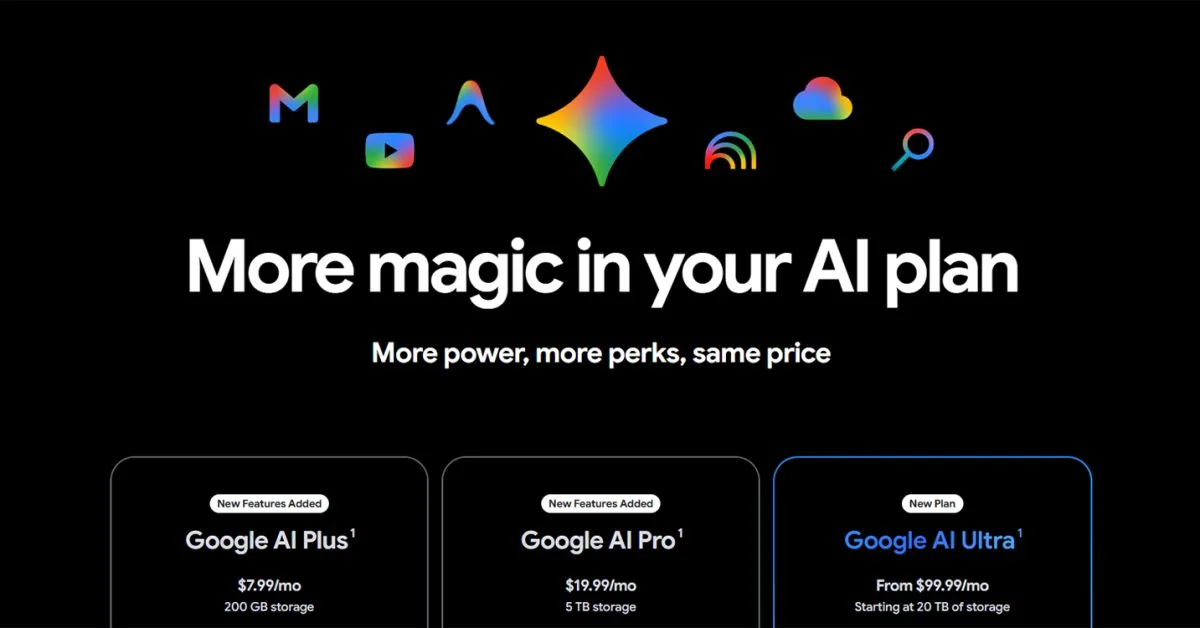
Google says NotebookLM will keep the principle that notebooks reflect user‑chosen sources, and it highlights better visibility into the system's reasoning as part of the refresh. That should help users check where answers come from and vet results, though the company’s published evaluation details are light on exact methodology. The rollout will be staged: AI Ultra and Workspace business customers with AI Ultra or Expanded Access see the features first, with broader access promised over time.
There are practical caveats. Running code introduces new security and privacy questions even inside a sandboxed cloud computer, and organizations will need to decide how much access to allow. The early focus on enterprise and AI Ultra users also means most casual or free users may not see the changes right away.
If you use NotebookLM now, expect a more capable, output-focused experience that can act on your ideas rather than just translate them. If you don’t, this refresh is a good marker of where Google thinks research tooling should go: smarter models, embedded execution, and finished deliverables all from a single conversational thread.