Who wouldn’t like a cheaper, neatly packaged set of apps that actually work together? Starting this year, the App Store will let developers do exactly that — and not just within a single company’s catalog.
Apple unveiled a broad set of App Store changes at WWDC that aim to give developers new business tools and users cleaner ways to discover and buy services. The headline: App Store Bundles will expand to allow partnerships between different developers so multiple subscriptions can be purchased as a single, discounted subscription. Apple also introduced “Suites” — packaged subscriptions that don’t exist as standalone offers — and new multi-user and enterprise buying options powered by StoreKit 2.
What Apple announced (and when)
- Bundles: Developers can collaborate to sell multiple subscriptions in a single purchase through Apple In‑App Purchase. The company says more details on how to request Bundle and Suite functionality will be published later this summer.
- Suites: Packs of subscriptions that only exist together — think of a product that’s marketed and sold only as a combined experience.
- Group purchases and volume buying: New configuration options let apps sell subscriptions for groups and organizations. Volume purchasing through Apple Business Manager and Apple School Manager will arrive this fall; group purchases — where one buyer purchases seats and invites others — are coming this winter.
- Retention Messaging: Tools in App Store Connect that let developers present tailored offers or messaging during the cancellation flow to try to reduce churn.
- Creative Assets and Asset Library: Rich header images and videos for product pages plus a central place in App Store Connect to manage and reuse marketing assets.
- Discovery changes: Personalized Collections and App Notes will explain why specific apps are recommended to a user. Apple began rolling these out this week in English in the U.S., with other languages and regions to follow.
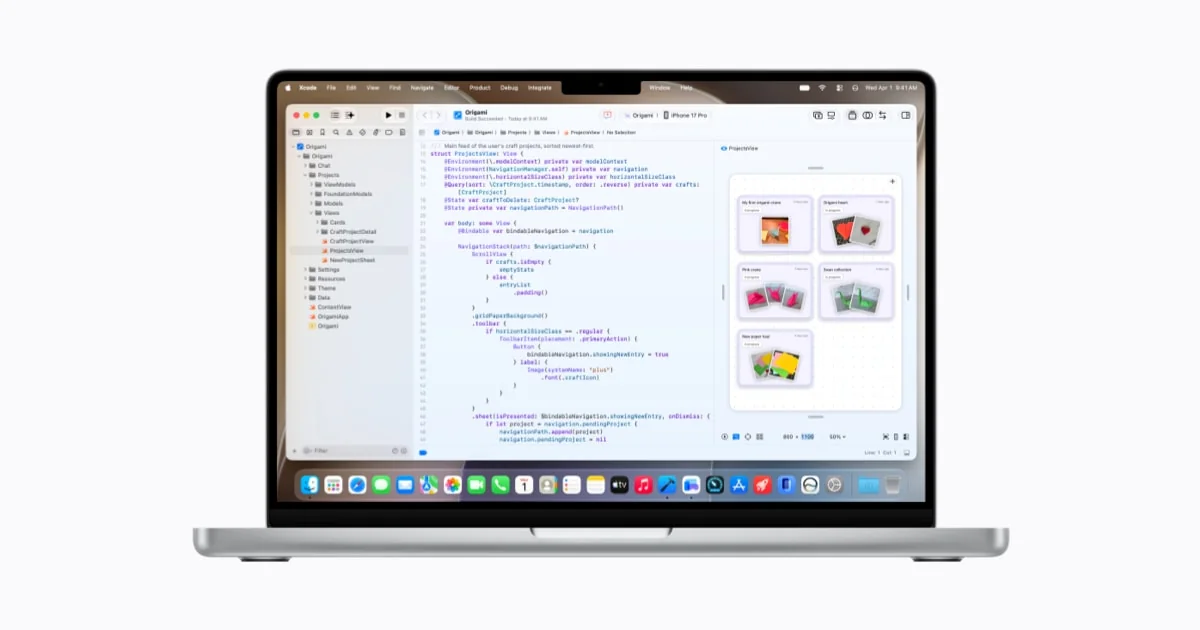
- Submission and platform tweaks: Developers can group multiple In‑App Purchases into a single App Review submission, and Mac apps no longer have to include Intel support (Apple silicon–only apps are allowed). Time Allowances in iOS 27, iPadOS 27 and macOS 27 tie into updated age‑rating questions so apps with social features are categorized correctly.
Apple’s official newsroom post has the full rundown of the program and timelines: Apple expands App Store capabilities to help developers grow and reach new users.
Why this matters
Bundling is a familiar tactic in streaming and media: combine services, nudge up perceived value, and hold on to subscribers. Apple is transplanting that logic to the App Store. For developers, bundles offer a way to reach new users at a price point that undercuts buying each subscription separately; for users, it could mean simpler billing and a tidier app ecosystem.
There are clear scenarios where this makes sense. A photography bundle might include a camera app, a photo editor and a social‑publishing tool. Productivity bundles could pair a task manager with a calendar and a file‑sharing service. Suites let companies experiment with product offerings that only make sense together — a single SKU for a multi‑tool workflow.
Group purchases and volume buying address a long-standing need for teams, schools and enterprises. IT managers already use Apple Business Manager and Apple School Manager to deploy apps; adding subscription seat management to that workflow makes deployment and billing more straightforward for organizations.
The developer angle: retention, marketing and fewer hoops
Apple is sweetening the pot beyond bundling. Creative Assets and the new Asset Library let developers tell a better visual story in search results and product headers. Personalized Collections and App Notes help apps surface to the right users — a boon for smaller developers fighting discoverability.
Retention Messaging is a pragmatic move: instead of losing a subscriber the moment they hit cancel, developers can offer targeted discounts, extra features or helpful explanations that might keep users around. And by letting developers group IAP submissions into one App Review package, Apple is reducing some of the back‑and‑forth that has slowed releases.
Questions and caveats
Apple will publish more implementation details later this summer, so many specifics remain unclear: how revenue sharing across developers in a bundle will be handled, what anti‑fraud and refund policies will look like, and how bundles will be discoverable versus standalone subscriptions. There are also potential UX pitfalls: billing clarity, cancelation rules for multi‑developer bundles, and the risk of creating too many similarly priced bundles that confuse buyers.
Policy watchers will be looking to see whether bundles create new competitive dynamics among apps — especially when well‑funded apps pair up with smaller ones — and how regulators respond if bundling affects market competition.
Not happening in isolation
These App Store changes arrive alongside other platform updates that Apple previewed at WWDC and in recent platform betas. For a sense of the broader direction Apple is taking with its platform tools and AI/assistant efforts, see the note about the company’s standalone Siri app and business hub announced this year here. And some of the system‑level updates Apple has been testing — like iOS betas that tweak messaging and privacy behaviors — are part of the same push to make apps and services more tightly integrated with Apple’s OS changes (/news/ios-26-5-beta-1-maps-rcs-e2ee).
If you make apps, these updates offer new levers to experiment with monetization, deploy at scale and fight churn. If you buy apps, expect simpler packages but also a moment to pay attention to how subscriptions and billing are presented when multiple developers are involved.
The rolls for bundles and suites are just opening. Apple will share implementation guidance later this summer; developers and users should watch App Store Connect and Apple’s developer resources for the playbook when it lands.