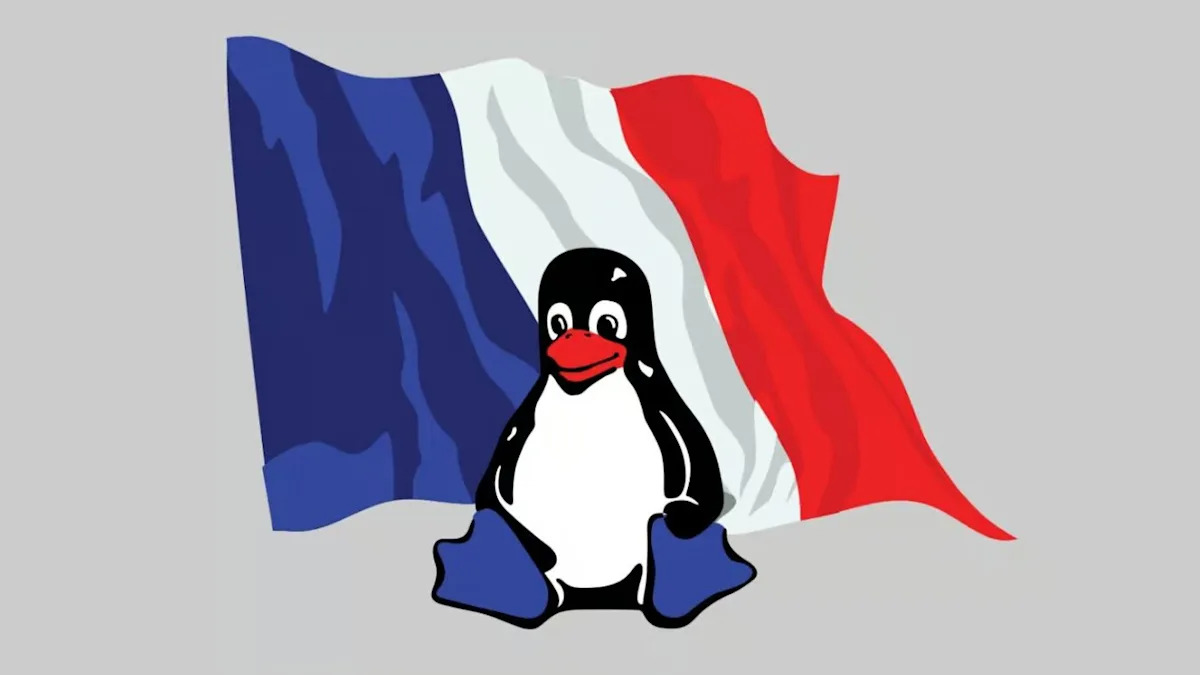
France has quietly begun what could become the largest public‑sector desktop migration in Europe: moving government computers off Microsoft Windows and onto Linux.
The announcement, delivered by Digital Minister David Amiel, frames the effort as an urgent reclaiming of control — "to regain control of our digital destiny," he said — and comes amid a broader government campaign to reduce dependence on U.S. technology providers. The first wave will start inside the Interministerial Digital Directorate (DINUM), with ministries ordered to produce migration plans, according to reporting that puts the total scope at roughly 2.5 million devices and a planning deadline of autumn 2026.
Not just a desktop swap
This is more than swapping an OS. Officials say the overhaul will touch collaboration tools, antivirus, AI platforms, databases and network equipment — essentially rebuilding the government tech stack so that critical services and sensitive data live on platforms France trusts. The shift follows earlier moves such as replacing Microsoft Teams with the French Visio service (based on the open‑source Jitsi) and plans to migrate the national health data platform to a trusted, locally governed environment by year’s end.
Why now? The decision is political and practical. Lawmakers across Europe have grown concerned that heavy reliance on a small set of foreign vendors leaves governments exposed — to policy shifts, sanctions, or account and service disruptions. France’s campaign is billed as digital sovereignty: more local control, more transparency (open source code you can audit), and potentially lower costs and less e‑waste by extending hardware life on leaner Linux desktops.
The hard stuff: compatibility, training and risk
Experts and IT teams know what a mass migration entails: application compatibility headaches, retraining thousands of staff, and the painstaking work of porting legacy administrative tools. Those challenges are familiar to any organization that’s tried to shift desktop paradigms; similar frictions explain why Microsoft’s own long, messy transition away from older Control Panel components has been so drawn out. Why Microsoft’s purge of the old Control Panel is taking so long is a useful primer on those migration pitfalls.
Security is both a motivation and a complexity. Open source allows for public scrutiny, which proponents argue reduces hidden backdoors and improves trust. But the transition itself creates windows of risk: misconfigured systems, mixed environments, and data migration paths that must be protected. New defensive tools — including cloud services that incorporate AI ransomware detection — will matter as Paris reshapes where and how state data is stored and accessed. (See our look at how providers are using AI to spot and recover from ransomware attacks.) [/news/google-drive-ransomware-protection]
What this means beyond France
If France follows through at scale, enterprises and other governments will watch closely. City‑level pilots in Europe have already demonstrated that Linux desktops can work at scale: reduced licensing bills, longer device lifetimes, and measurable savings in some cases. For vendors, the shift sends a clear signal that procurement decisions are becoming geopolitical as much as technical — and that a national preference for domestic or European solutions can reshape markets.
But the path is not inevitable. The devil is in the details: which Linux distributions will be chosen, how legacy apps will be supported (or rewritten), and who will manage long‑term maintenance and security. The timeline remains fuzzy in some official communications, even as ministries begin drafting concrete plans.
France’s move is less an overnight divorce from Microsoft than the start of a long renegotiation of where control over government IT ultimately sits. It’s a bet on transparency and autonomy — and one that will test whether open source can shoulder the operational, security and human‑factors realities of modern government computing.