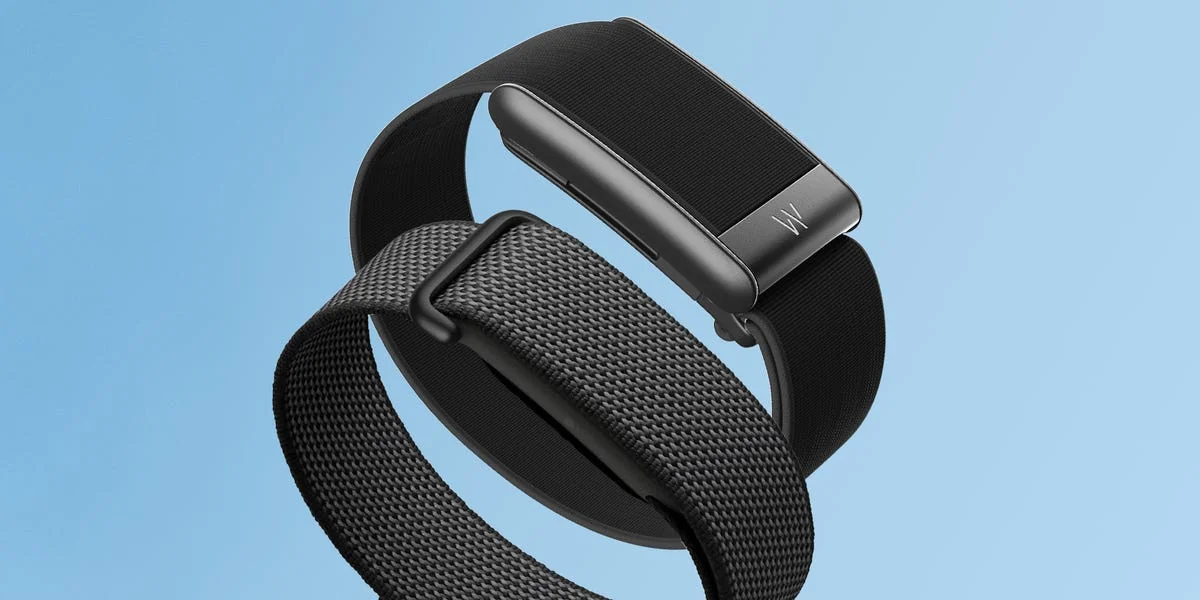
The Fitbit Air arrives like a quiet rebellion against the notification arms race. At $99, it’s a small puck of sensors that slips into a fabric or silicone band, lasts about a week on a charge, and refuses to buzz you with every email. What it does do, loudly and insistently, is feed your health data into Google’s new Health app—and into an AI-powered coach that will happily talk you through your sleep, workouts and readiness in excruciating detail.
A pebble that disappears
Physically, the Air is unshowy by design. The 11‑gram module holds an optical heart rate sensor, a 3‑axis accelerometer and a skin‑temperature sensor, plus SpO2 estimates. There’s no screen, no GPS chip, and no ECG. That minimalism is the point: the Air is easy to forget you’re wearing and comfortable enough to sleep in every night. Reviewers consistently praise the build and battery life—roughly seven days per charge—and note the magnetic puck charge that’s quick but proprietary (losing the charger is annoying, and replacements aren’t cheap).
You get a recycled‑yarn Performance Loop band in the box; the silicone Active Band ($35) and a dressier Elevated band ($50) are optional extras. The tradeoffs are clear: you give up live, on‑wrist stats and GPS for a device that won’t pull you back into your phone all day.
The AI coach is the product’s loudest voice
Where Fitbit Air’s hardware is purposely quiet, Google’s software is not. The new Google Health app replaces the old Fitbit app and layers in a Gemini‑based Health Coach behind a Premium paywall ($10/month or $100/year). That coach can generate custom workout plans, summarize your sleep trends, and answer natural‑language queries about your data. For many casual users the feature is seductive: it saves digging through menus and can offer motivation and tailored suggestions.
But reviewers from Ars Technica to Android Police flag the same friction points. The coach talks a lot—sometimes too much—and leans into praise and pep talks as often as practical advice. Like other generative systems, it occasionally fabricates details (inventing workouts from a spike in heart rate, for example) or repeats itself. Google has made the coach removable, but the option is buried, and the AI’s presence is baked into the app experience in ways that some users find intrusive.
Performance and accuracy get mixed notes, too. Sleep and workout detection are generally solid, but a few tests show the Air reporting higher overnight resting heart rates and slightly inflated calorie estimates compared with rivals such as the Oura Ring and Whoop. Syncing can be slow—data and AI suggestions sometimes lag—so if you expect instant post‑run analysis you may feel impatient.
If you want to read more about Google’s AI angle and how Health is being positioned, there are deeper takes on the platform rollout and the conversational coach in Google’s updates: Google debuts the Fitbit Air and its Gemini-powered coach and the recent Fitbit app update that pushes conversational tracking.
Where it fits (and who should keep their Whoop)
The Air is aimed squarely at people who want effortless, 24/7 tracking without the tug of a smartwatch. It’s compact, inexpensive relative to smartwatches and subscription‑heavy rivals, and usable without paying for Premium—though the AI Coach is the marquee feature that nudges many buyers toward a trial.
Whoop remains the choice for committed athletes and data obsessives. Its subscription model is heavier—Whoop’s entry tiers cost more and the company offers deeper analytics, longer battery life in its latest hardware, and location flexibility (wear it on your arm, bicep or ankle). Fitbit Air wins on comfort, cost and simplicity; Whoop wins on depth and continuous, athlete‑grade insight.
Several reviewers even say the Air replaced their smartwatch in daily life. Removing on‑wrist distractions and keeping only the health metrics that matter to you can be liberating—especially if you, like some testers, had crossed the line into letting a smartwatch be a second phone. For others, the lack of a screen or GPS and the AI’s verbosity will feel like compromises that cut too deep.
Small device, big questions
The Fitbit Air proves there’s appetite for screenless wearables again: they can be cheaper, more comfortable and less noisy than smartwatches. But Google’s decision to make AI central to the experience raises familiar tradeoffs about trust, verbosity and how much you want a chatbot narrating your life. If you want something forgettable that still tracks sleep and basic workouts, Air is compelling. If you want real‑time coaching, in‑depth sports metrics, or a device that stands alone without your phone, look elsewhere.
Either way, the Air has already shifted the conversation: battery life and subtlety are selling points again, and AI coaches matter. Whether that coach is a helpful voice in your pocket or an overtalkative companion you mute depends on how you like your fitness advice—quiet and occasional, or chatty and always ready.