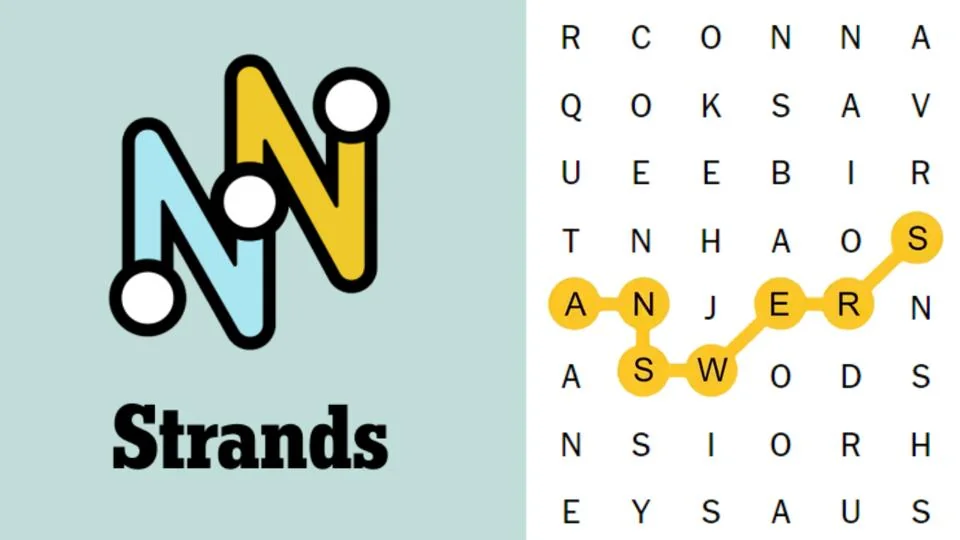
Three days of NYT Strands showed everything that makes the game fun: a sly twist on rhymes one day, a karaoke-themed grid the next, and a straight‑forward “parts of an argument” puzzle tucked between them. If you’ve been playing these mid‑June puzzles (or fell behind and want the answers), here’s a concise read-through of what each puzzle was doing and the solutions that closed the loop.
How Strands keeps you guessing
If you’re new to Strands: it’s a glossier, directional word‑search where words can turn corners and every letter in the grid belongs to an answer. There’s a theme linking the answers and a special long answer — the spangram — that spans an entire row or column. The New York Times Sidekick lets you reveal letters or directions for specific theme words if you need nudges, but part of the charm is the little “aha” when you spot the pattern.
Below are the puzzles and solutions reported across outlets in the June 11–13 window.
June 11 (game #830) — a rhyming trick
What misled a few solvers at first was how the theme behaved: it looked like a meaning clue (TechRadar called it “Oozing”), but the actual pattern was phonetic — words that rhyme.
- Theme observation: rhyming words
- Spangram: RHYMETIME
- Answers found in the grid: BLUES, FUSE, CHOOSE, BREWS, SCHMOOZE, SHOES, CRUISE
- One puzzle leaned on essay structure: the theme clustered around parts of an argument or a speech. Hints indicated the spangram ran vertically, and the set included words like HOOK, BODY, CONCLUSION, PROBLEM, TOPIC, POINT — basically the scaffolding of a persuasive piece. (Mashable covered that grid and noted the spangram: Parts of Speech.)
- Another puzzle went social and musical: Forbes reported a karaoke/track‑event theme where the spangram read KARAOKE. The answers were evocative of a singalong setup: QUEUE, SONG, MUSIC, LYRICS, LOUDSPEAKER, MICROPHONE.
- Look for the spangram early. It spans the grid and usually tells you the theme in plain language. Knowing the theme narrows dozens of options to a handful.
- Say letters and fragments out loud. Strands sometimes uses rhyme, homophones or phonetic tricks.
- Remember words can bend. Don’t discard a promising chain because it turns diagonally or changes direction.
- Use the in‑game hints (NYT Sidekick lets you reveal letters or directions) sparingly — one reveal can unlock half the board.
Once you spot two rhymes (TechRadar’s writer noticed BLUE and FUSE), the rest snaps into place. If you’re stuck on a word that looks odd, read it aloud — Strands sometimes rewards the ear as much as the eye.
June 12–13 — party modes: essays and karaoke
The next two days showed how varied the puzzle maker’s moods can be.
If you start by scanning for a long vertical or horizontal chain of letters that looks like a phrase, you’ll often find the spangram first and use it to orient yourself.
Practical hints that help every time
Strands keeps rotating its tone — playful one day, clear the next — which is why it’s worth a daily try even when you think you’ve seen every puzzle trick. If you want to compare other daily word‑game coverage or hunt for strategies across puzzle types, the NYT Sidekick posts and puzzle write‑ups are useful places to browse.
Happy solving — and if a puzzle ever makes you say “of course!” after a long stare, you’re playing it right.